Ships Capture Carbon at Sea, Win EU Climate Credit
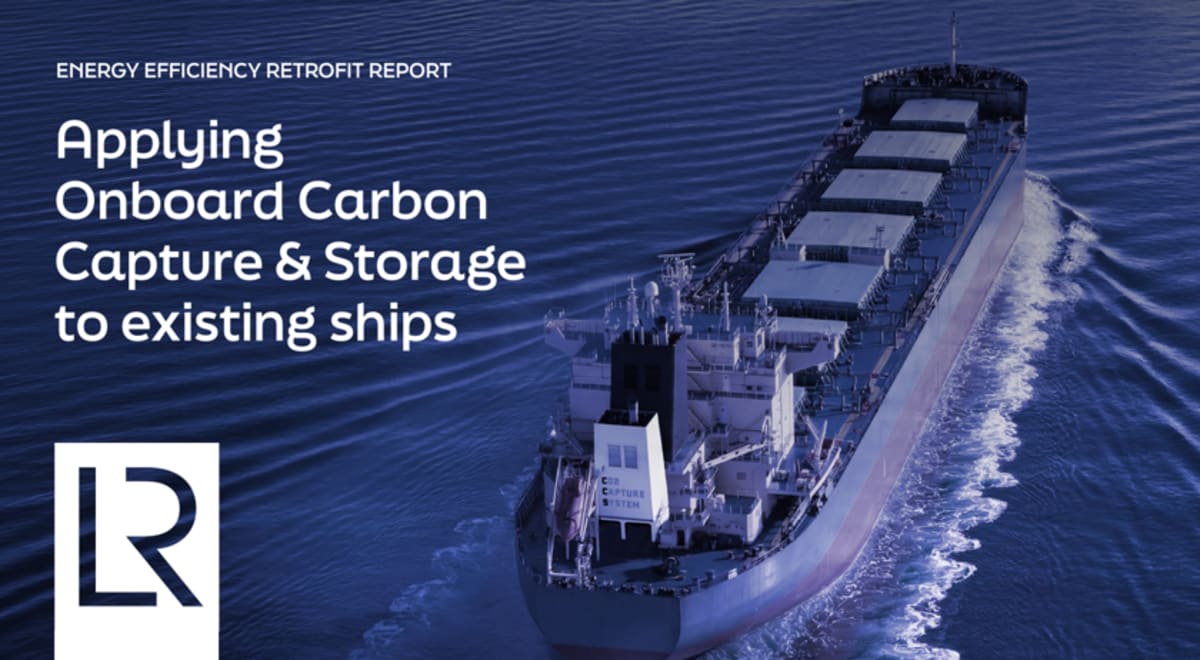
A pilot project just proved that cargo ships can capture their own carbon emissions at sea, permanently store them as solid minerals, and earn official climate credits from the European Union. It's the first system to move ship-captured CO2 from ocean to permanent storage, and regulators are backing it.
Cargo ships might have just found a way to clean up their massive carbon footprint while they sail.
Project Captured completed the world's first end-to-end system for capturing carbon dioxide from ship engines, converting it into solid minerals, and getting credit for it under international climate rules. The June 2025 pilot brought together 11 partners across the shipping and industrial sectors to prove the technology works in real conditions.
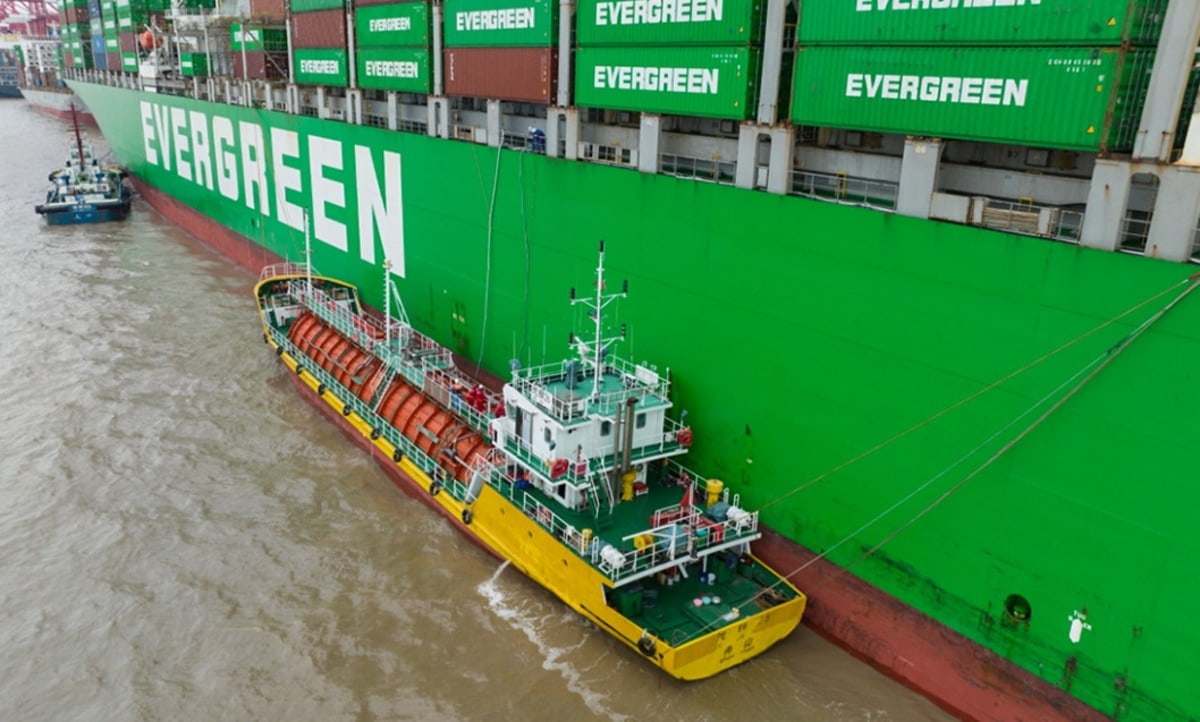
Here's how it works: As a ship burns fuel, onboard equipment captures the CO2 from exhaust before it reaches the atmosphere. That captured carbon gets transferred to another vessel, moved to land-based facilities, and permanently locked into stable industrial materials through a process called carbon mineralisation.
The results impressed regulators. The captured CO2 stayed more than 99.95% pure through every transfer point, meeting strict quality standards for climate accounting.
The EU just officially approved the system for carbon credits under its Emissions Trading System. That means shipping companies can subtract their captured tonnage from the emissions they'd normally need to pay for, creating a real financial incentive to adopt the technology.
The International Maritime Organization also backed the approach in principle at its recent meeting. That matters because it opens the door for carbon mineralisation to count as permanent storage alongside traditional methods like pumping CO2 underground.
The pilot captured 10.7% of the ship's emissions and delivered a net 7.9% greenhouse gas reduction after accounting for the energy needed to run the capture equipment. In an optimized version using the same capture rate, emissions savings could jump to 17.8%.
The Ripple Effect
Shipping moves about 90% of global trade but produces nearly 3% of worldwide carbon emissions. Until now, the industry had limited options beyond switching to cleaner fuels or slowing down, both expensive and complicated fixes.
Carbon capture gives ship operators another tool, one they can install on existing vessels without rebuilding entire fleets. The permanent storage through mineralisation solves the problem of what to do with captured carbon, turning a waste product into usable industrial materials.
The regulatory wins from both the EU and IMO mean this approach can scale beyond one pilot project. Other shipping companies now have a clear path to adopt similar systems and get credit for their efforts under official climate frameworks.
"The IMO's support in principle for carbon mineralisation means that our pathway is repeatable," said Su Yi of SMDERI-QET, one of the project partners.
The shipping industry now has proof that cleaning up emissions at sea isn't just possible but officially recognized.
More Images

Based on reporting by Google News - Emissions Reduction
This story was written by BrightWire based on verified news reports.
Spread the positivity!
Share this good news with someone who needs it