Norway Orders 20 Electric 'Flying' Ferries for Coast
Norway just placed the world's largest order for electric hydrofoil ferries: 20 vessels that literally lift out of the water to slash energy use by 80%. These "flying" boats could finally crack the code on electrifying high-speed coastal transport.
Imagine a ferry that skims above the waves like it's defying physics. Norway just ordered 20 of them.
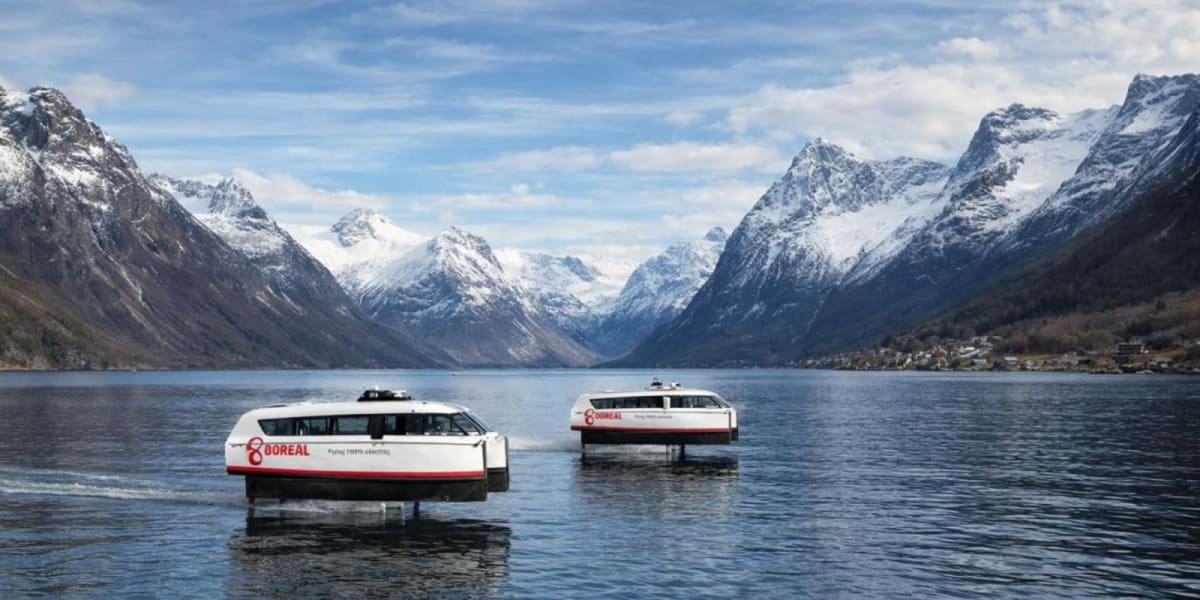
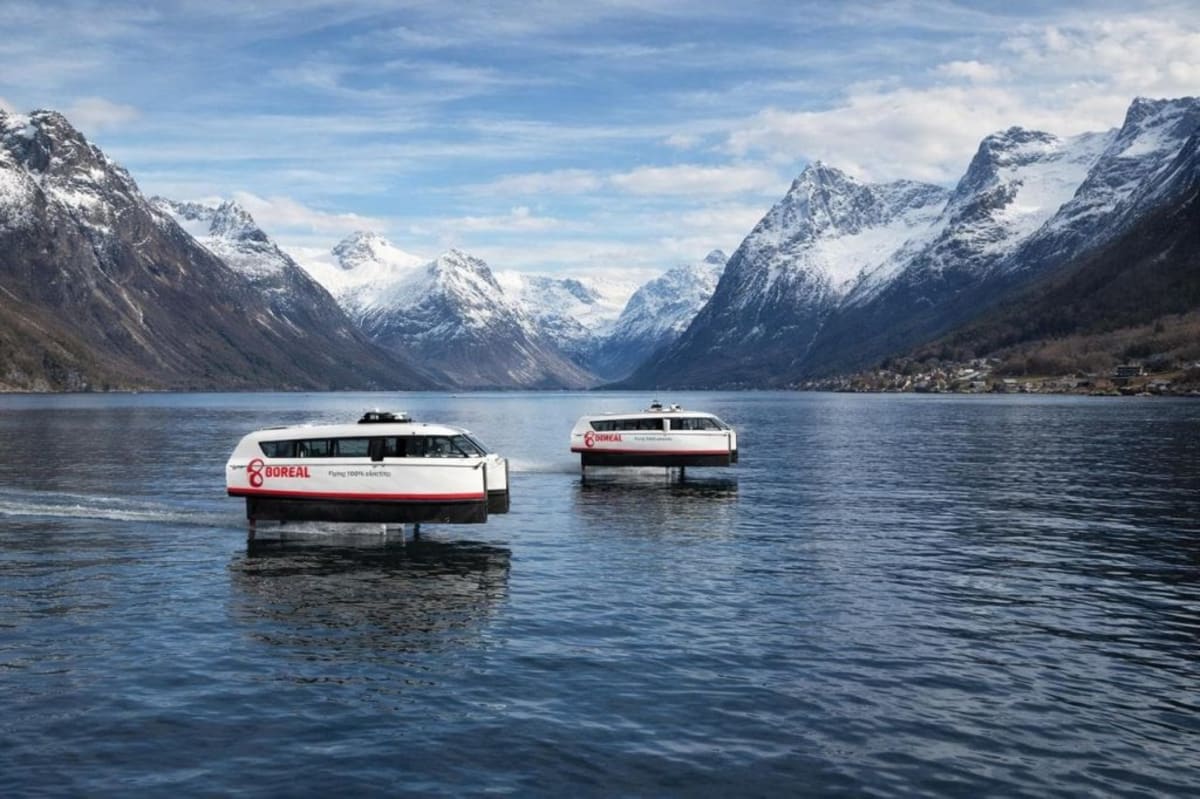
Transport operator Boreal AS placed a historic order for Candela's P-12 electric hydrofoil ferries, marking the largest deployment of this technology ever. The vessels will serve Norway's rugged coastline and fjords starting in 2027, replacing the diesel-powered boats that currently connect remote communities.
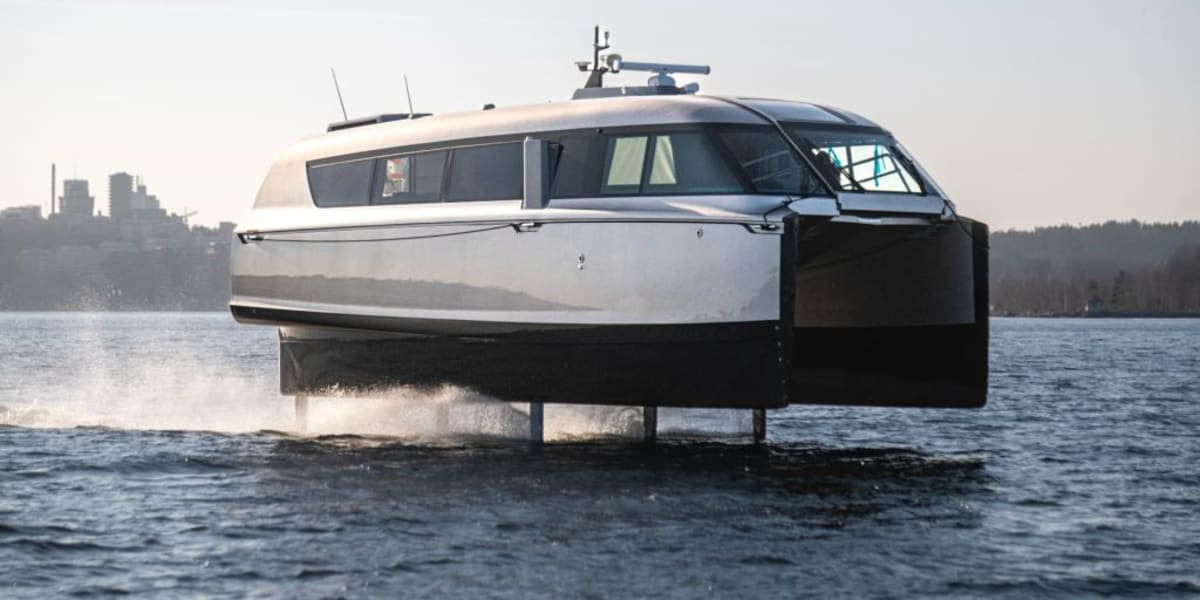
Here's what makes these ferries special: they actually fly. Computer-controlled carbon fiber hydrofoils lift the hull completely out of the water once the boat reaches 18 knots. This "flying" motion cuts drag so dramatically that the P-12 uses 80% less energy than traditional vessels.
That efficiency breakthrough solves a puzzle that's stumped maritime engineers for years. Fast boats need tons of power, but remote coastal areas often lack the grid infrastructure for massive charging stations. The P-12 sidesteps this entirely by needing so little energy it can recharge in about an hour using standard DC fast chargers, the same ones electric cars use.
Each ferry carries 25 passengers at speeds around 25 knots (roughly 46 km/h) with a range of 74 kilometers. That's perfectly suited for the coastal routes Norwegians rely on daily. The vessels are also remarkably quiet and smooth, gliding over waves instead of pounding through them.
Norway already leads the world in electric vehicle adoption on land, with EVs making up the majority of new car sales. But high-speed passenger boats have remained stubbornly diesel-powered because the math simply didn't work until now.
The Ripple Effect
This order signals a tipping point for electric maritime transport. Transit operators are moving beyond test programs and pilot projects to full-scale deployments. When a country orders 20 vessels at once, it's betting that the technology is ready for prime time.
The impact could extend far beyond Norway's borders. Coastal communities worldwide face the same challenge: how to connect islands and remote areas without relying on expensive, polluting diesel boats. If hydrofoils prove themselves in Norway's demanding conditions, the technology could spread to ferry routes across Europe, Asia, and North America.
The shift mirrors what happened with electric cars and e-bikes, technologies that seemed niche until they suddenly weren't. Sometimes the solution isn't building bigger batteries or faster chargers. Sometimes it's redesigning the entire system to need less energy in the first place.
The first two P-12 ferries arrive in 2027, with the full fleet rolling out through 2030, bringing quiet, clean transport to one of the last frontiers of electrification.
More Images

Based on reporting by Electrek
This story was written by BrightWire based on verified news reports.
Spread the positivity!
Share this good news with someone who needs it