Norway Recovers 18th-Century Treasure Ship 600 Meters Deep
Archaeologists in Norway have salvaged an 18th-century shipwreck from 600 meters below the surface, uncovering pristine Chinese porcelain, chandelier parts, and European goods. The discovery offers a rare window into global trade routes from centuries ago.
A shipwreck that spent over 200 years on the ocean floor has finally revealed its treasures to the world.
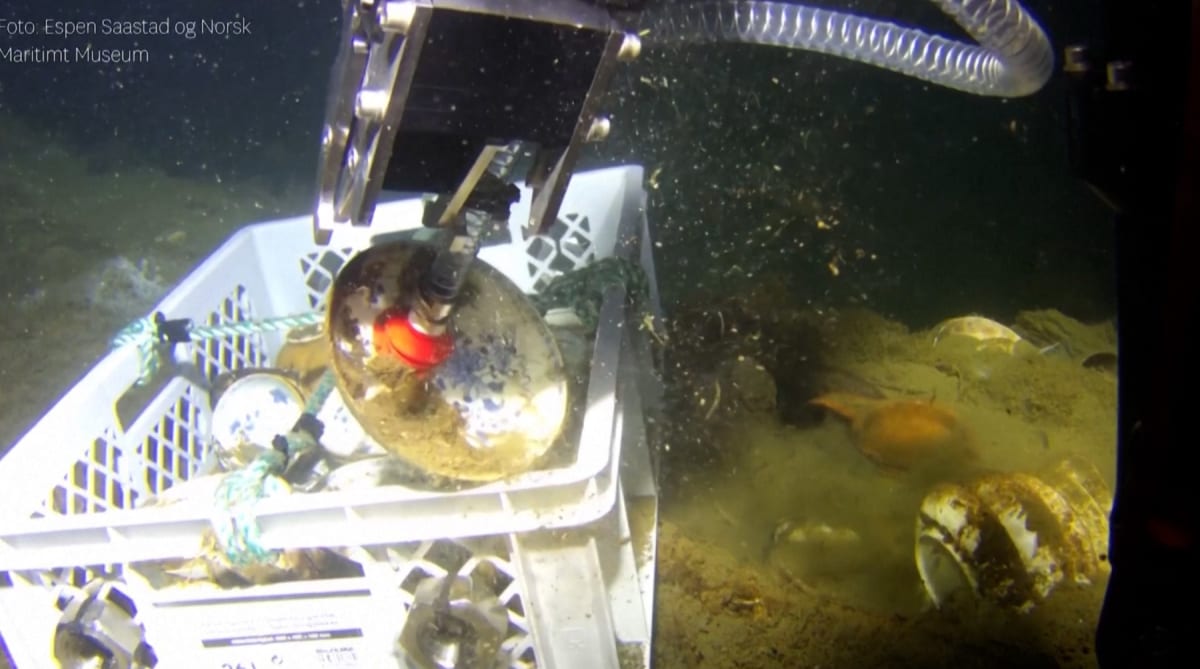
Norwegian archaeologists recently salvaged an 18th-century vessel from the Skagerrak Strait, a body of water between Norway and Denmark. The ship rested 600 meters below the surface, preserving its cargo in the cold, dark depths.
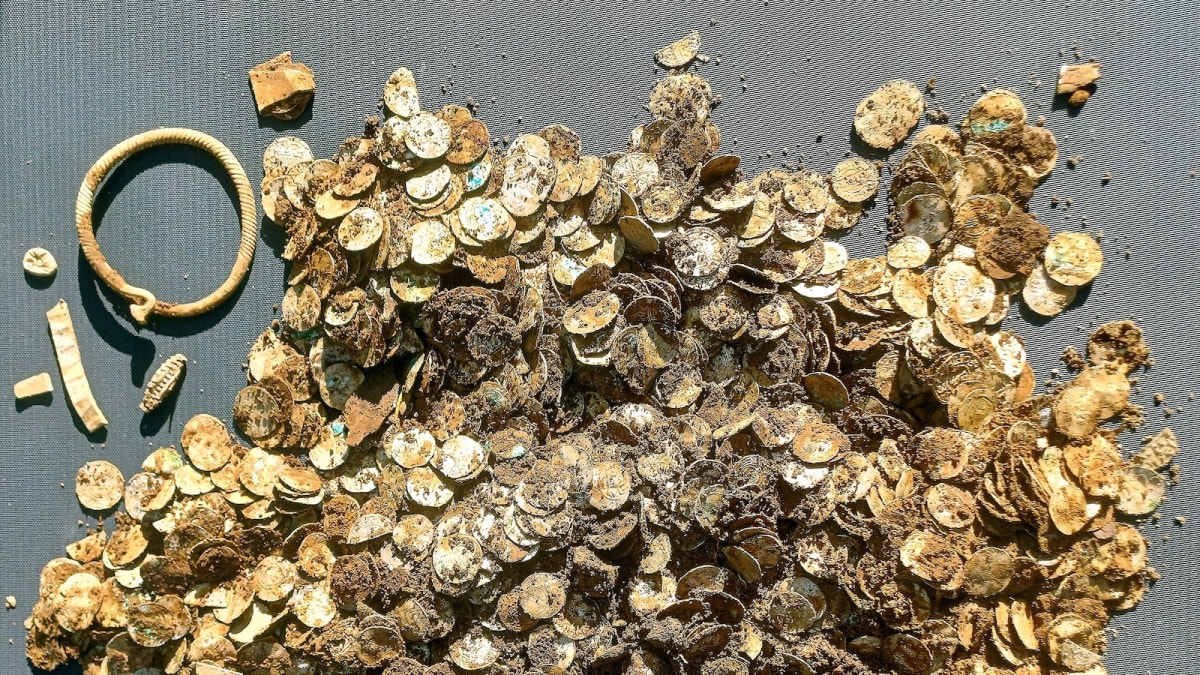
The haul reads like an inventory from a forgotten world. Blue and white Chinese porcelain bowls emerged from the wreck alongside delicate goblets. Textiles, grain, and ornate chandelier parts rounded out the collection of goods that once crossed continents.
The discovery speaks to the vibrant trade networks that connected Europe and Asia three centuries ago. These weren't just luxury items for the wealthy. They were part of the massive exchange of culture, technology, and commerce that shaped the modern world.
Experts are now working to identify the ship's origins and destination. Every artifact offers clues about who sailed on this vessel, where they were headed, and what stories they carried with them.
The Bright Side
This salvage operation represents a triumph of modern technology meeting historical preservation. The depth of 600 meters puts this wreck in a zone that would have been completely inaccessible just decades ago. Today's underwater robotics and imaging systems make it possible to recover fragile artifacts without damaging them.
The condition of the materials suggests the cold, oxygen-poor environment acted as a time capsule. Organic materials like textiles and grain rarely survive underwater, making these finds especially valuable for researchers studying everyday life in the 1700s.
Museums and historians now have tangible pieces of maritime history to study and share. Each recovered item will help fill gaps in our understanding of global trade, shipbuilding techniques, and the lives of sailors who risked everything crossing treacherous waters.
These artifacts will likely go on public display, allowing thousands of people to connect with a moment frozen in time when the ship went down all those years ago.
Based on reporting by Al Jazeera English
This story was written by BrightWire based on verified news reports.
Spread the positivity!
Share this good news with someone who needs it