Norway's Biggest Wind Farm Survives Reindeer Rights Battle
Norway's largest onshore wind farm nearly shut down when courts ruled its turbines violated Indigenous reindeer herders' rights. A groundbreaking 2024 settlement saved the clean energy project while protecting Sámi culture.
Norway's Supreme Court ruled that the country's biggest wind farm was operating illegally, but what happened next could change how the world balances clean energy with human rights.
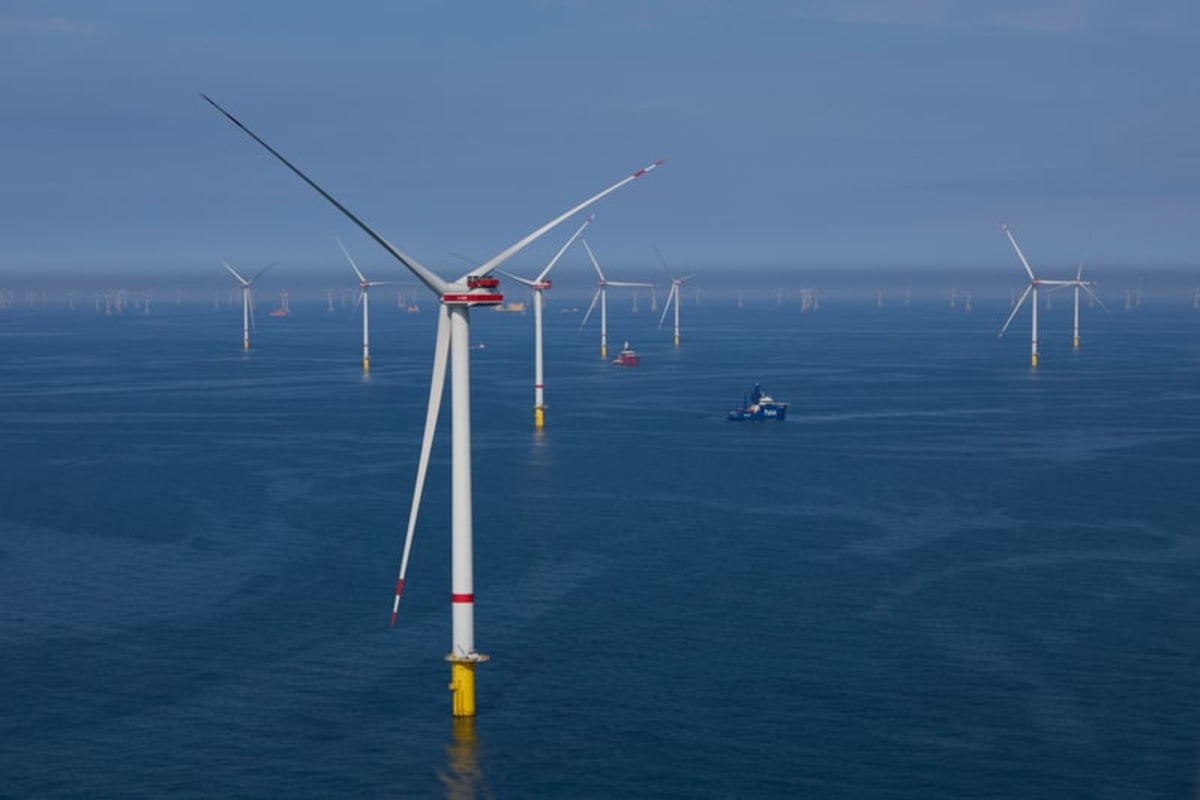
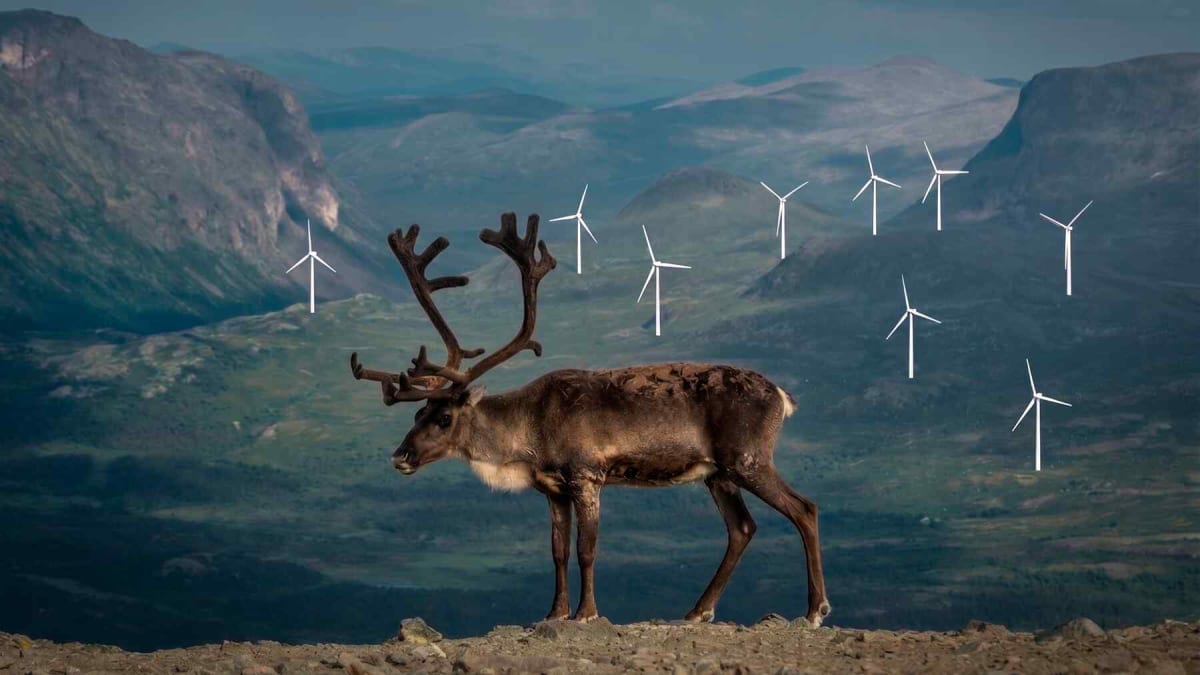
The Storheia Wind Farm on the Fosen peninsula generates enough clean electricity to power thousands of homes with its 80 turbines. But those same turbines disrupted centuries-old reindeer migration routes used by the Indigenous Sámi people, threatening their cultural survival.
The reindeer refused to graze near the noisy, spinning blades. Critical pathways that herders had relied on for generations became unusable, putting both livelihoods and cultural practices at risk.
In October 2021, Norway's highest court unanimously ruled the wind farm's operating licenses violated Indigenous rights. Despite the ruling, the turbines kept spinning for years, triggering widespread public protests across the country.
The crisis reached a turning point in March 2024. Instead of shutting down the wind farm entirely, negotiators crafted a settlement that protects both clean energy goals and cultural heritage.
The Sámi herders received replacement grazing lands and financial compensation for their losses. Most significantly, they gained veto power over any wind farms operating in the area after 2045, ensuring their voices shape future energy decisions.
The settlement saved Norway's push toward its climate targets. The country needs to cut greenhouse gas emissions by 55% by 2030, and wind power is essential since droughts have made hydroelectricity less reliable.
The Ripple Effect
This agreement shows that climate action and human rights don't have to be enemies. Other nations watching Norway's example now have a roadmap for respecting Indigenous communities while building renewable energy infrastructure.
The Fosen settlement establishes a new standard: green energy projects must include the people whose lands they occupy. Future wind farms in Norway will need explicit approval from affected communities, transforming how energy companies approach development.
This approach could spread globally as countries race to build clean energy while protecting the rights of Indigenous peoples on six continents. When developers include communities as partners rather than obstacles, everyone wins.
Norway proved that listening costs less than ignoring, and the clean energy future has room for ancient traditions.
More Images


Based on reporting by Google News - Wind Energy
This story was written by BrightWire based on verified news reports.
Spread the positivity!
Share this good news with someone who needs it