Norwegian Polar Bears Thriving Despite Melting Ice
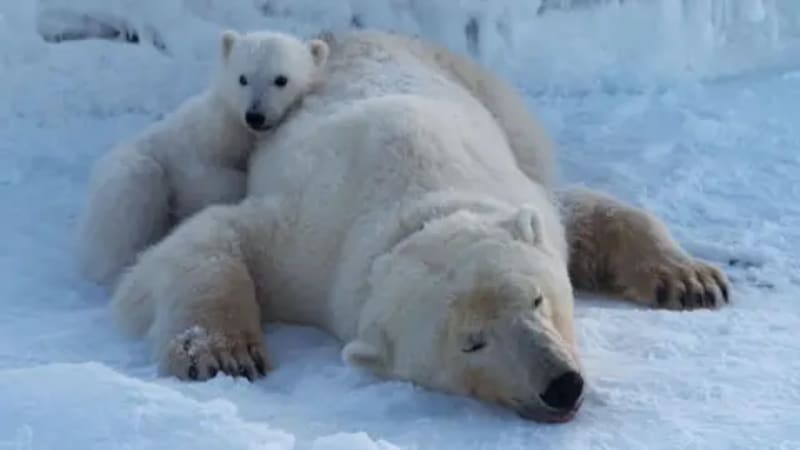
Scientists studying polar bears in Norway's Svalbard islands discovered something unexpected: the bears have gotten fatter and healthier since the 1990s, even as sea ice has steadily disappeared. They've adapted by hunting more land-based prey like walruses and reindeer.
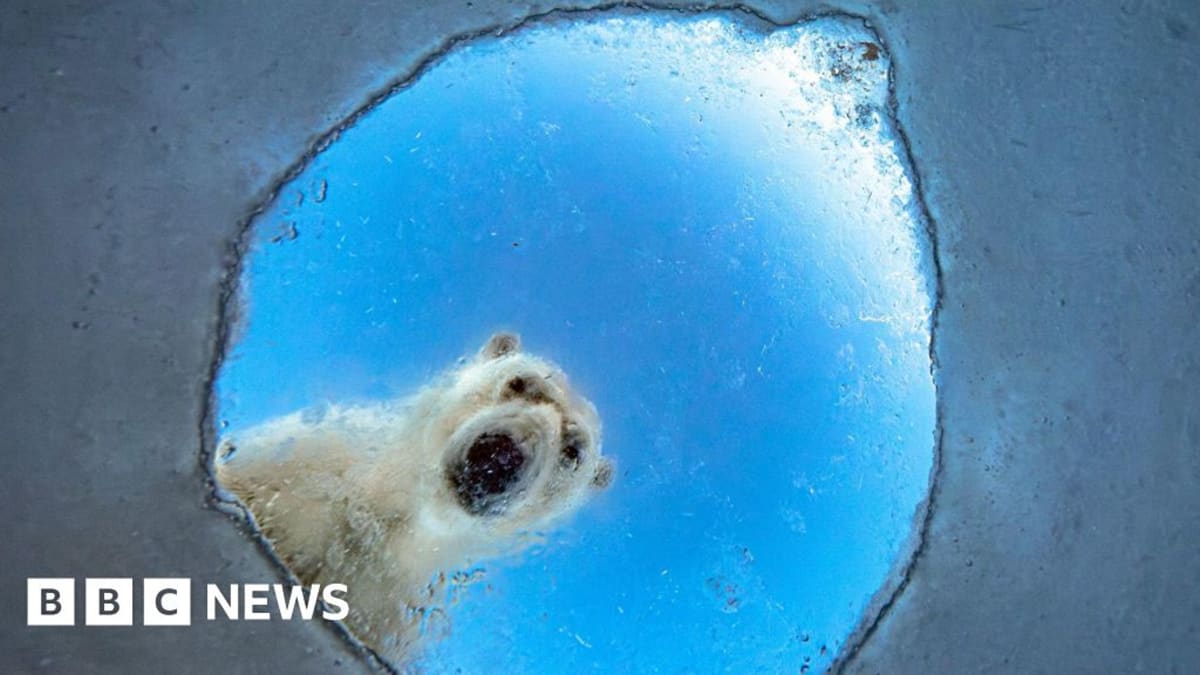
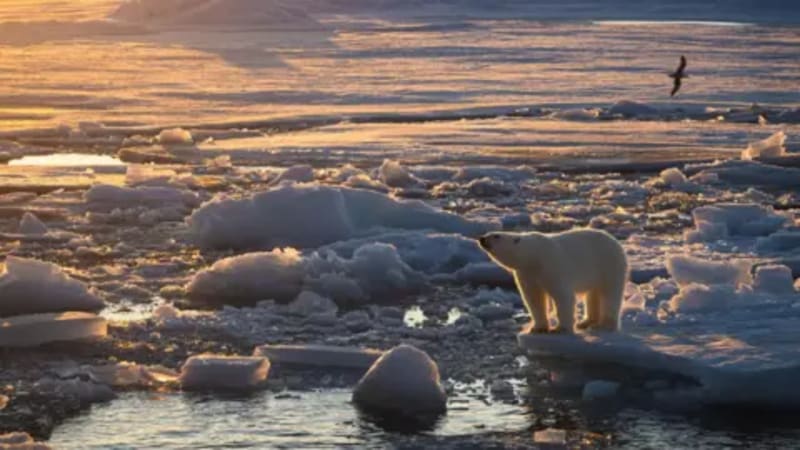
Polar bears in Norway's Arctic islands are defying expectations and getting healthier, despite climate change melting their icy hunting grounds.
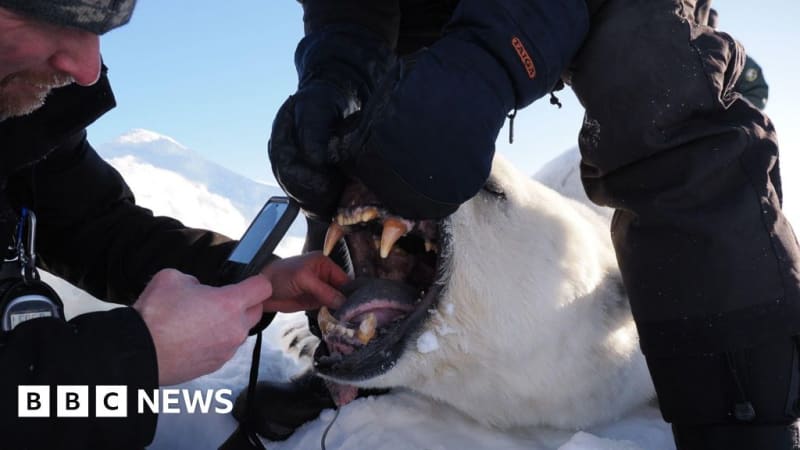
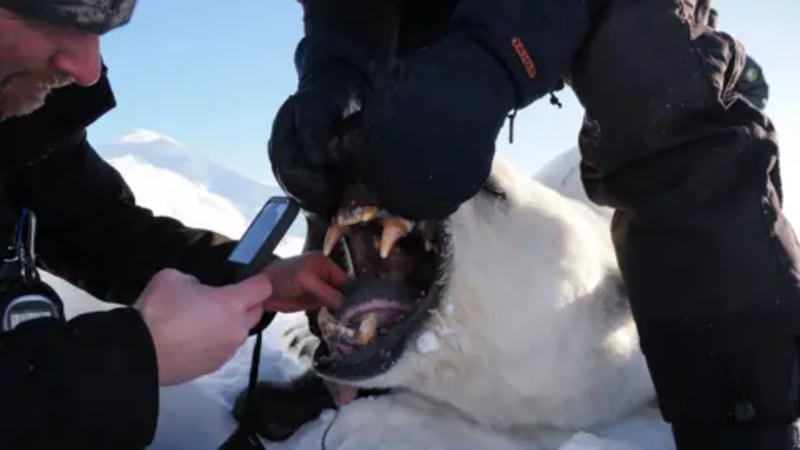
Scientists weighed and measured 770 adult polar bears in Svalbard between 1992 and 2019, expecting to find struggling, thinner animals. Instead, they discovered the bears had become significantly fatter and healthier during those 27 years, even as the region lost nearly 100 ice-free days.
Dr. Jon Aars from the Norwegian Polar Institute admits he was puzzled. "The fatter a bear is the better it is, and I would have expected to see a decline in body condition when the loss of sea ice has been so profound," he explained.
The secret to their success lies in their diet. Polar bears traditionally hunt seals from sea ice platforms, but Svalbard's bears have adapted by eating more land-based prey.
Walrus populations have surged since Norway protected them from hunting in the 1950s, giving bears a new source of fatty food. Reindeer numbers have also increased, and seals are now packed into smaller ice areas, making them easier to hunt.
There's another factor at play. Svalbard's polar bears were heavily hunted until international protections arrived in the 1970s, and experts believe the population is still recovering from that pressure.
The Bright Side
This adaptation shows nature's remarkable resilience when given the chance. The combination of hunting protections for both bears and walruses, plus increasing prey populations, created conditions where these Arctic predators could thrive despite environmental challenges.
The recovery also demonstrates how conservation efforts can work. When humans stopped overhunting and gave ecosystems room to recover, wildlife populations bounced back stronger than expected.
However, scientists caution this is a short-term win. As sea ice continues shrinking, bears will need to travel farther to hunt, burning precious energy and fat reserves. Other Svalbard research shows more ice-free days are already reducing survival rates for cubs and older females.
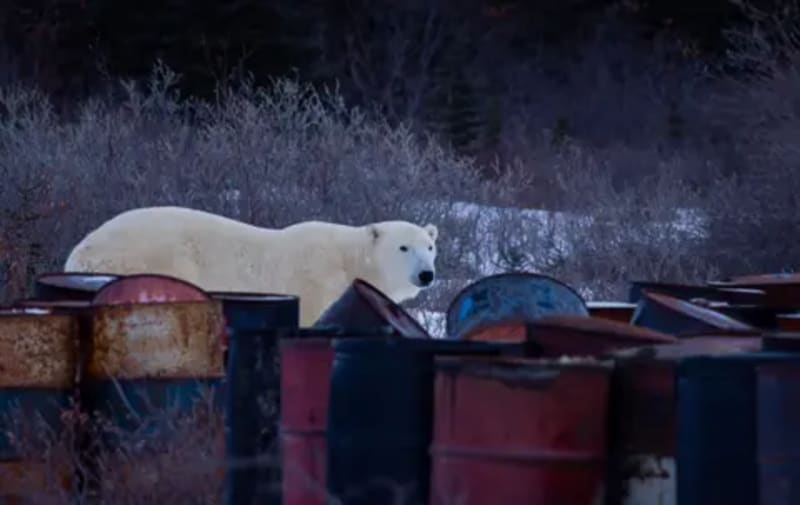
Dr. John Whiteman from Polar Bears International notes that body condition is just one piece of the puzzle. In Canada's Western Hudson Bay, polar bear populations are declining as temperatures warm, showing the regional nature of these changes.
The long-term outlook remains serious. Polar bears need sea ice to survive, and if ice loss continues unchecked, scientists warn the bears will eventually disappear.
For now, though, Svalbard's polar bears offer a glimpse of hope and a reminder that when we protect vulnerable species and their ecosystems, nature can surprise us with its ability to adapt and recover.
More Images
Based on reporting by BBC Science
This story was written by BrightWire based on verified news reports.
Spread the positivity!
Share this good news with someone who needs it
%2Ffile%2Fattachments%2Forphans%2Fozz1astreetmuralpromotingrhinoconservationinthetownofHluhluweKwaZuluNatalimagetonycarnie_225511.jpg)