Ocean Cables Track Endangered Orcas in Real Time
Scientists turned underwater internet cables into a massive microphone to listen for endangered whales. The breakthrough could protect threatened marine mammals across 870,000 miles of ocean floor.
A hidden network beneath the waves just became the world's largest wildlife monitoring system, and it might save some of our most threatened ocean neighbors.
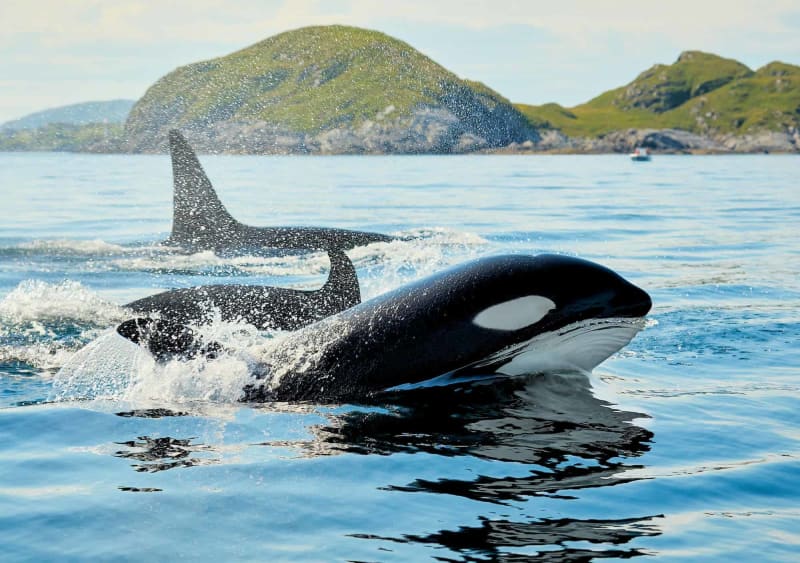
Researchers at the University of Washington laid 1.25 miles of fiber optic cable across Puget Sound to listen for endangered southern resident orcas. The technology, called distributed acoustic sensing, shoots laser pulses through internet cables and detects tiny vibrations from sound waves traveling through water.
The system works like turning the entire ocean floor into a giant ear. When orcas click and call while hunting or navigating, the cables pick up their distinctive sounds and pinpoint their locations in real time.
Dr. Shima Abadi leads the project and sees immediate life-saving potential. Ships could receive automatic alerts when whales are nearby, giving captains time to slow down or change course before disturbing or injuring the animals.
The southern resident orcas living off Washington and British Columbia number fewer than 75 individuals. Boat strikes and noise pollution from marine traffic rank among their biggest threats, making early warning systems crucial for their survival.
The Ripple Effect
Here's where this gets really exciting. The world's oceans contain 870,000 miles of fiber optic cables already installed and operational, connecting continents and carrying internet traffic.
If this technique scales up, those existing cables could transform into a planetary network tracking whales, dolphins, and other marine mammals across vast distances. No new construction needed, just clever use of infrastructure already in place.
The approach could monitor migration patterns, breeding grounds, and population health across entire ocean basins. Scientists would finally have the tools to understand and protect species that spend their lives in some of Earth's most remote and least understood environments.
The technology has already proven effective at detecting earthquakes and monitoring underwater environments. Adapting it for conservation brings powerful sensing capabilities to marine protection efforts that have long struggled with the ocean's massive scale and limited visibility.
For endangered species fighting for survival in increasingly crowded seas, this network of watchful cables might be exactly the guardian they need.
Based on reporting by Positive News
This story was written by BrightWire based on verified news reports.
Spread the positivity!
Share this good news with someone who needs it