Ocean Cleanup Hits 100 Scientific Studies on Plastic
A decade of research has produced 100 peer-reviewed studies helping scientists understand and fight ocean plastic pollution. The Ocean Cleanup's journey includes flying over garbage patches, diving beneath research vessels, and even a call from the Secret Service.
When a GPS tracker attached to floating plastic washed up in front of President Barack Obama's Hawaiian home, The Ocean Cleanup got an unexpected call from the Secret Service.
That's just one surprising moment from a decade-long scientific journey that just hit a major milestone. The Ocean Cleanup has published its 100th peer-reviewed study on plastic pollution, marking ten years of research that's transforming how we understand and tackle ocean plastics.
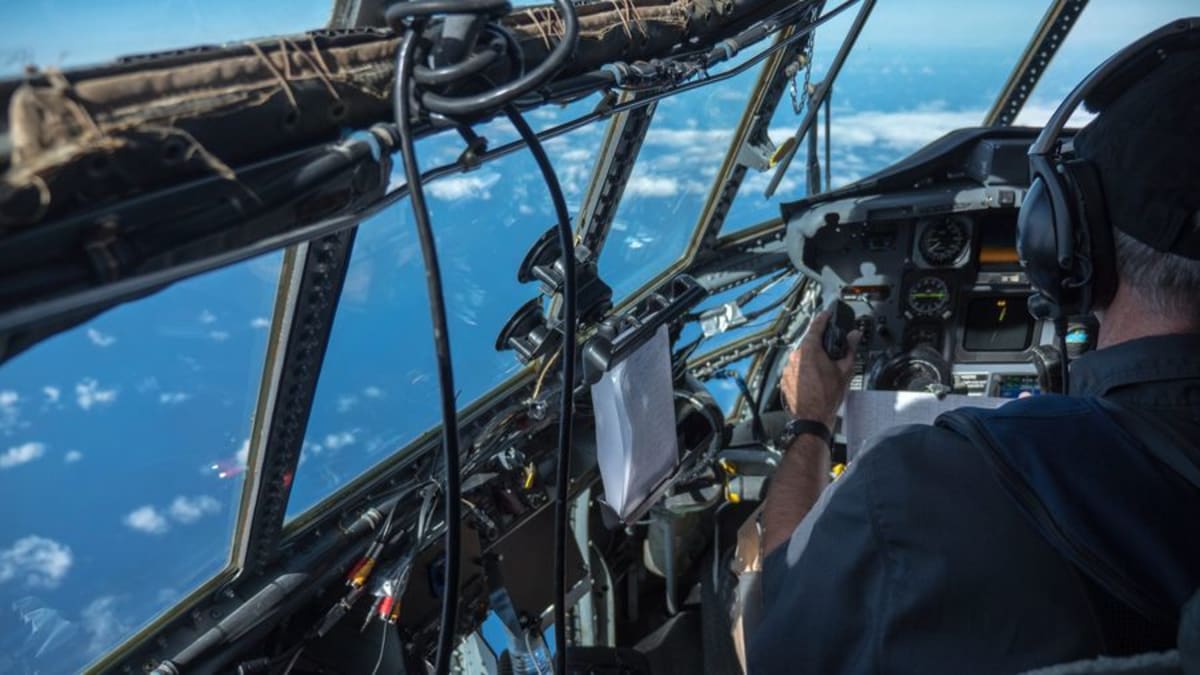
Laurent Lebreton, the organization's Head of Research, has been there since the beginning. He helped develop the first model to estimate the size and location of the Great Pacific Garbage Patch, then joined the world's first airborne survey of the massive plastic accumulation aboard a Vietnam-era C-130 Hercules aircraft.
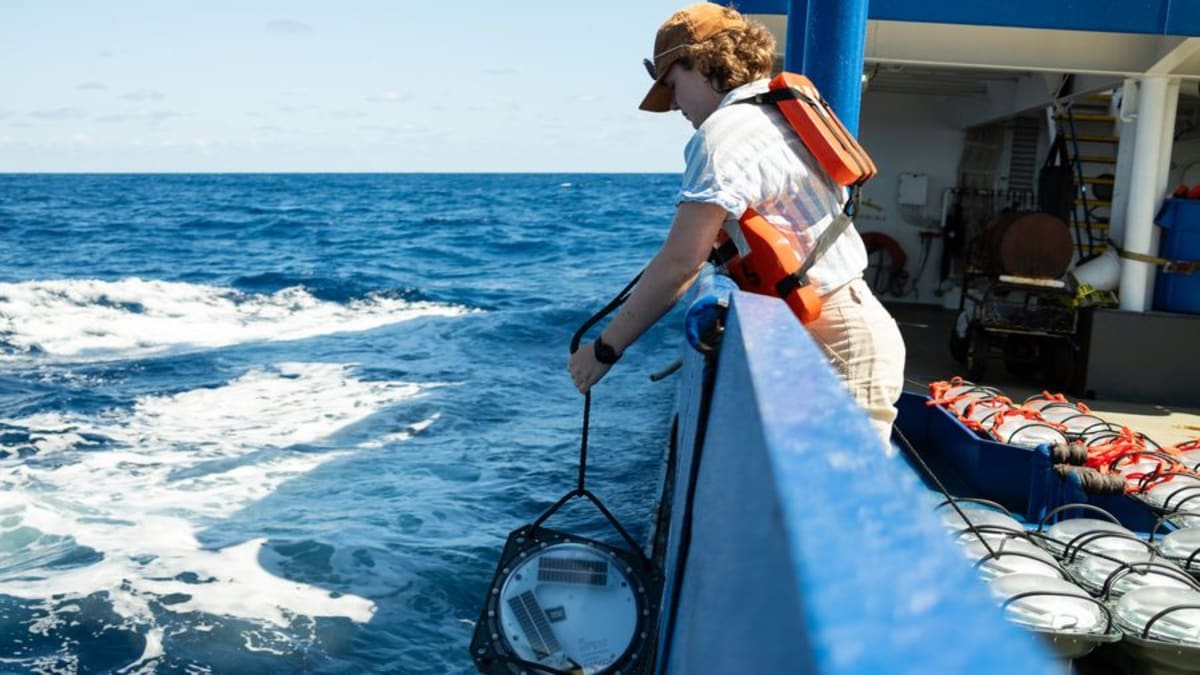
The research hasn't always gone smoothly. During one expedition, a research vessel's propellers got hopelessly tangled in a giant ghost net in the heart of the garbage patch. The Chief Engineer had to dive beneath the hull in 12,000 feet of open ocean to cut it free.
But the team has kept going, crossing multiple oceans on research vessels and developing innovative tools along the way. They've created artificial intelligence systems to detect debris at sea and measure plastic emissions from rivers. They've used drones, citizen science, and new modeling tools to predict where ocean plastics come from and where they're headed.
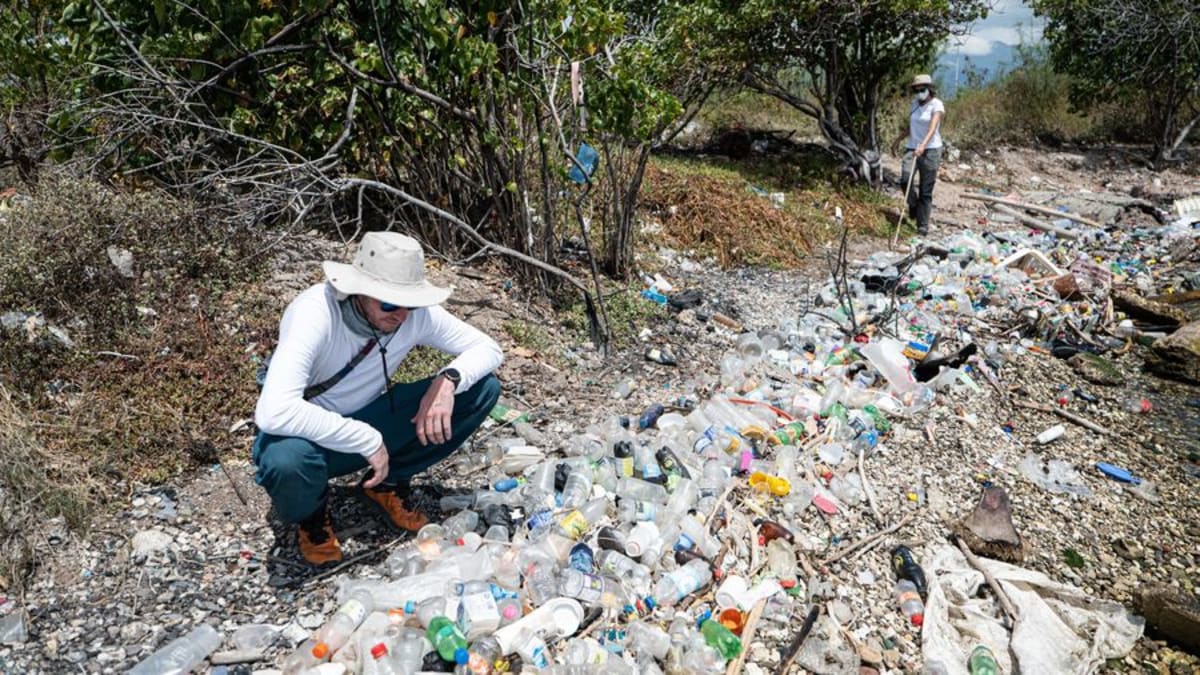
Their research spans from the world's most polluted rivers to its most remote oceans. They've studied how plastics rise and sink, how they transport invasive species, and how they age and degrade with winds and waves. Each peer-reviewed publication undergoes independent review, ensuring the science is sound and helping build confidence in solutions.
The Ripple Effect
The organization's research goes beyond academic journals. By understanding exactly where plastic accumulates and how it moves through ocean currents, they're designing more efficient cleanup strategies. Their findings help identify plastic hotspots and inform efforts to stop pollution at its source in rivers before it reaches the ocean.
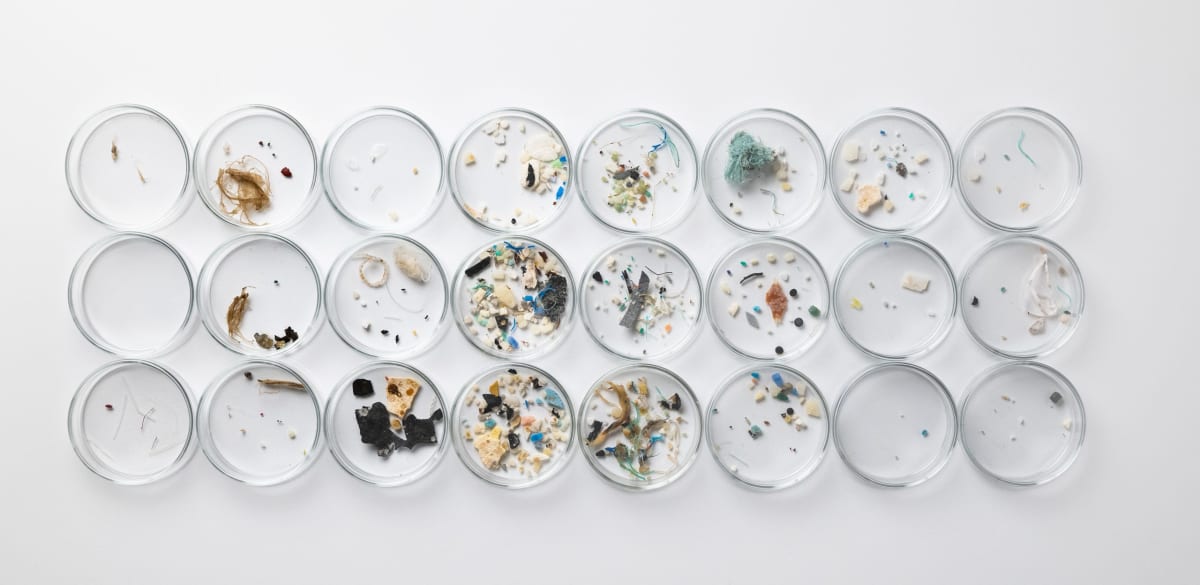
The 100th study focuses on imaging methods for characterizing micro and meso-plastics collected in the environment. It's technical work, but it matters because you can't solve a problem you don't fully understand.
For Lebreton, working at a nonprofit instead of a university offers something special. The Ocean Cleanup's culture of innovation gave him freedom to develop new tools and ideas when plastic pollution science was still a young field with more questions than answers.
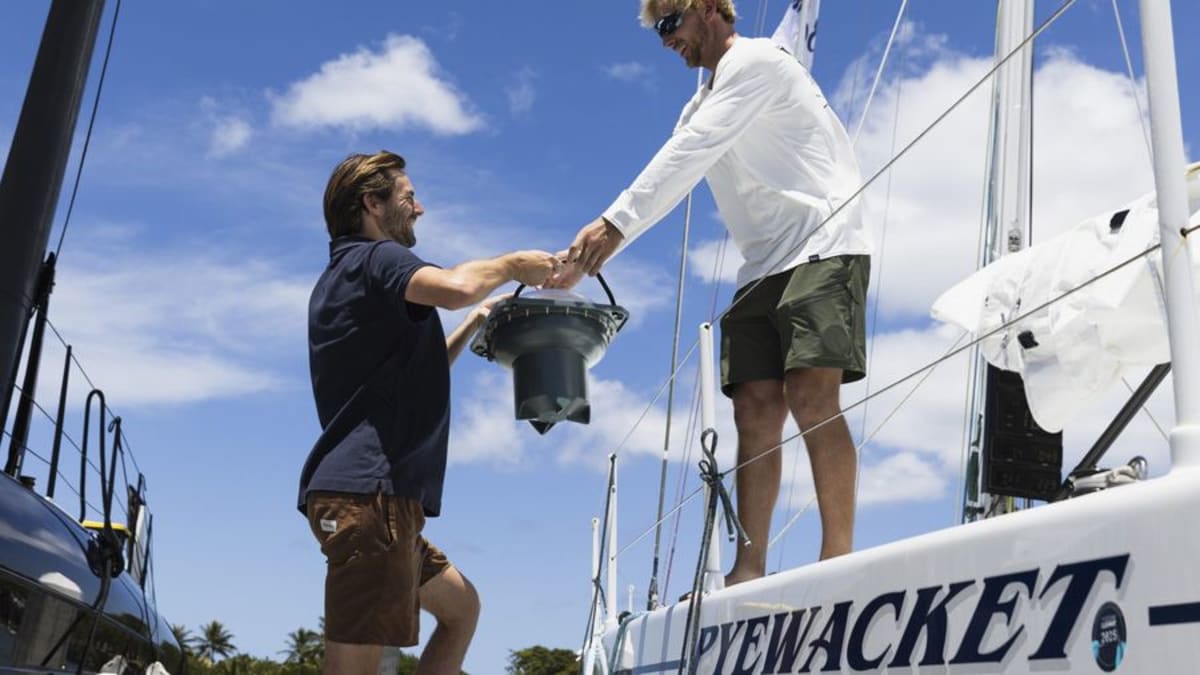
The journey has brought memorable moments too: sailing across the South Pacific Garbage Patch on a century-old tall ship, visiting remote islands impacted by ocean plastic, and being greeted by humpback whales in Vava'u while furling sails high above the deck.
After 100 studies and countless ocean miles, the science is clear: ocean plastic pollution is solvable when you combine rigorous research with innovative action.
More Images
Based on reporting by Google News - Ocean Cleanup
This story was written by BrightWire based on verified news reports.
Spread the positivity!
Share this good news with someone who needs it