Ocean Cleanup Tackles Plastic at Philippines River
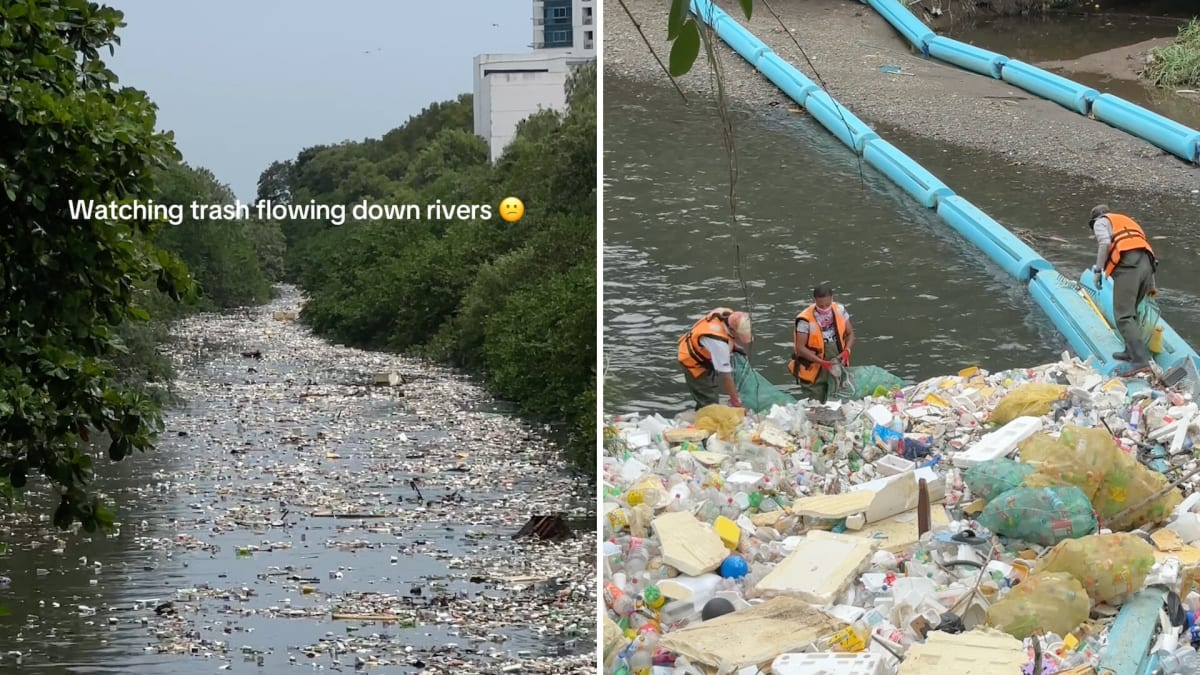
A revolutionary barrier system will intercept plastic waste in one of the Philippines' most polluted rivers before it reaches Manila Bay. The Dutch nonprofit believes stopping ocean plastic starts upstream, where just 1,000 rivers carry 80% of the world's river-to-ocean pollution.
The fight against ocean plastic is moving from the sea to a surprising new battleground: a heavily polluted river north of Manila.
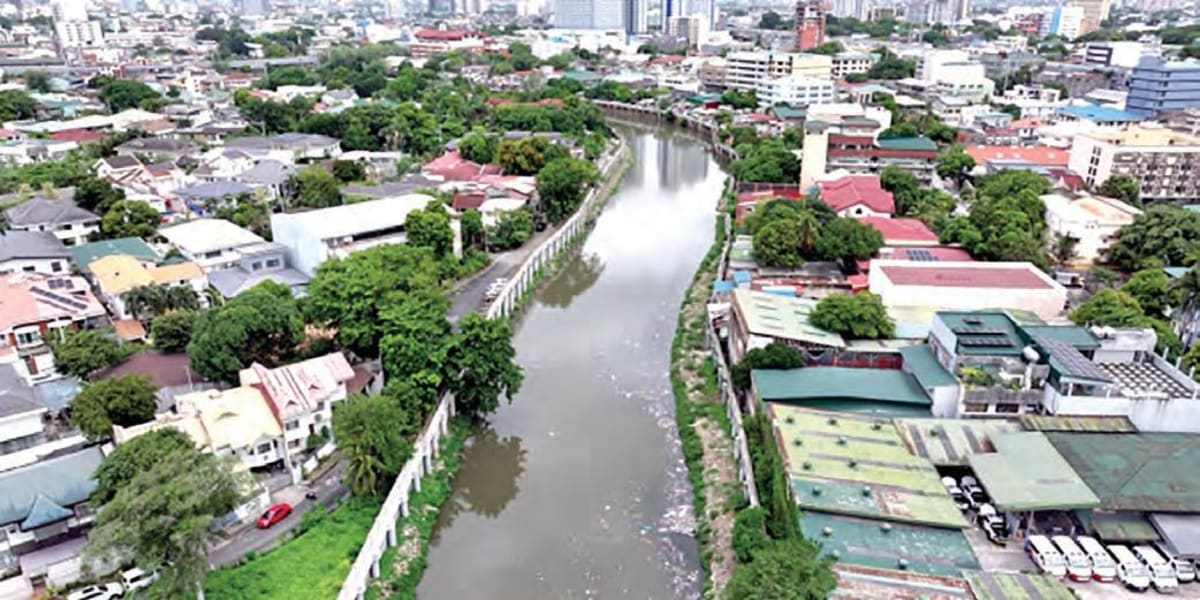
The Ocean Cleanup, the Dutch organization famous for removing plastic from the Great Pacific Garbage Patch, is launching its first Interceptor barrier in the Philippines this month. The system will operate on the Meycauayan River in Bulacan, catching plastic waste before it flows into Manila Bay.
For founder Boyan Slat, who has spent 12 years tackling plastic pollution, the mission comes down to one word: "Solvable." That optimism drives his team's newest strategy—stopping the problem at its source rather than just cleaning up after the damage is done.
The Meycauayan River runs through an industrial area long struggling with pollution and rapid urbanization. It's part of a watershed that has been the focus of numerous cleanup efforts over the years, making it both a challenge and an opportunity.
But Slat sees places like this as exactly where the battle needs to happen. Research by The Ocean Cleanup shows that roughly 1,000 rivers worldwide are responsible for about 80% of plastic flowing from rivers into oceans.
The Interceptor barrier represents a shift in how the organization thinks about the crisis. While their ocean cleanup systems continue removing existing waste from the Pacific, preventing new plastic from reaching the sea could be even more powerful.
The Ripple Effect
This first deployment in Manila Bay could open doors across Southeast Asia, a region where rivers carry enormous volumes of plastic waste to the ocean. If successful in Meycauayan's challenging conditions, the model proves that even heavily polluted urban waterways can be protected.
The technology offers hope to communities worldwide facing similar struggles with river pollution. Every barrier installed upstream means less plastic choking marine life, damaging ecosystems, and breaking down into harmful microplastics.
Local environmental groups have watched the Meycauayan area for years, documenting the impact of industrial waste and domestic garbage on the river system. Now they're seeing international resources and proven technology arrive to address problems that once seemed impossible to solve.
The installation marks a turning point in how we approach ocean plastic—not as an inevitable consequence of modern life, but as Slat insists, a solvable problem with practical solutions already at work.
More Images



Based on reporting by Google News - Ocean Cleanup
This story was written by BrightWire based on verified news reports.
Spread the positivity!
Share this good news with someone who needs it