Ocean Cleanup Tags 27 Ghost Nets to Map Pacific Trash
Scientists are using GPS trackers on abandoned fishing nets to create the first moving map of the Great Pacific Garbage Patch. Yacht racers and researchers teamed up to deploy 144 ocean drifters and tag 27 ghost nets.
Scientists just completed a groundbreaking mission to understand how ocean plastic moves, and they got some unexpected help from competitive sailors.
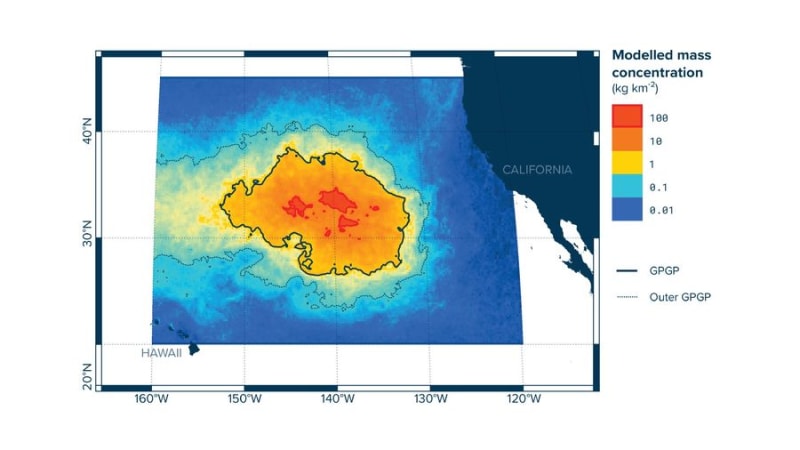
The Ocean Cleanup launched its Pacific Data Expedition to fill gaps in our knowledge of the Great Pacific Garbage Patch, the world's largest collection of ocean plastic floating between Hawaii and California. After nearly a decade of research, scientists discovered the patch changes size and location over time, but they needed more data to predict where plastic accumulates.
That's when they partnered with sailors competing in the Transpacific Yacht Race from Los Angeles to Honolulu. These citizen scientists deployed GPS drifter buoys attached to abandoned fishing nets, called ghost nets, as they raced across the Pacific. Thanks to their dedication, 17 ghost nets were tagged and 55 drifters tracking ocean currents were released into the water.
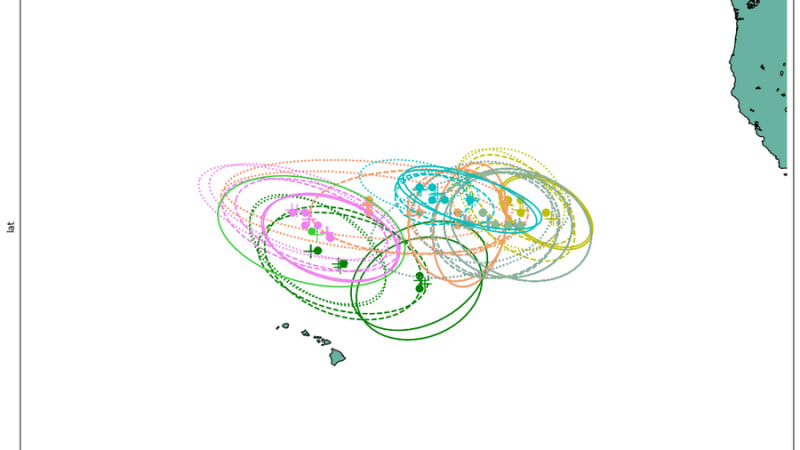
The tagged nets became floating data collectors, transmitting their locations as they drifted and helping scientists map their paths around the garbage patch. This covered the western portion of the patch, but researchers still needed data from the eastern section where different ocean current models disagreed on where plastic gathers.
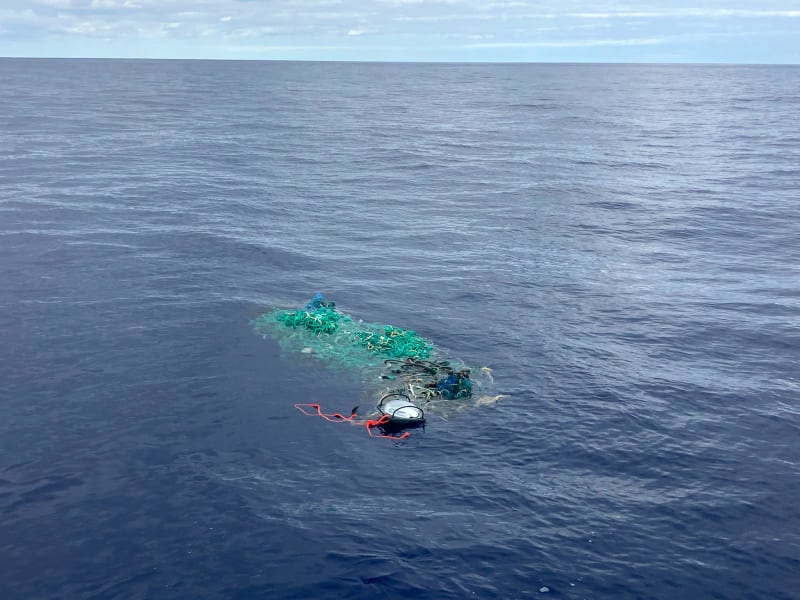
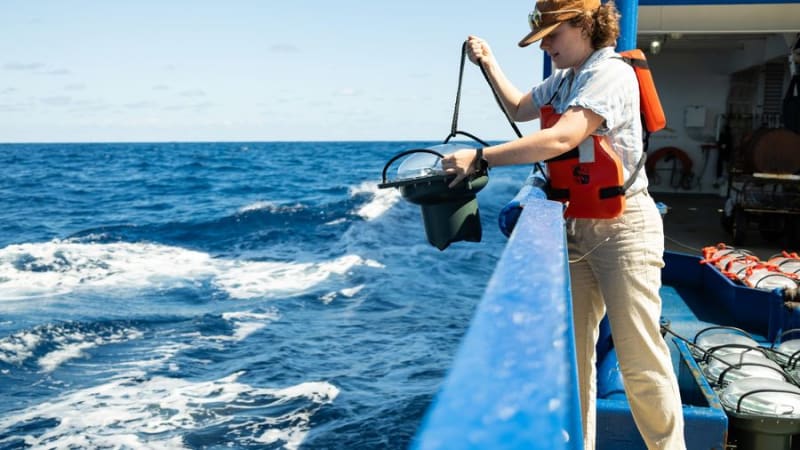
In late September, The Ocean Cleanup's research team sailed six days from Hawaii into open ocean aboard the Seaward Explorer. Armed with binoculars and 144 drifters, researchers stood watch in the boat's tuna tower, scanning the waves for ghost nets to tag.
Spotting these nets proved tricky since they float just below the surface and blend with the ocean's blue-green color. But their persistence paid off. The team tagged 10 more ghost nets while deploying drifters across the previously uncovered portion of the patch.
The Ripple Effect
This expedition isn't just about mapping trash. The data collected will help The Ocean Cleanup improve its cleanup systems and predict where plastic accumulates most heavily. Understanding how ghost nets move differently from other plastics like buoys or crates gives scientists crucial information about how various types of debris behave in ocean currents.
The collaboration between competitive sailors and scientists also shows how everyday people can contribute to solving massive environmental challenges. Those yacht racers didn't just compete in a race; they became ocean researchers helping to tackle one of the planet's biggest pollution problems.
Five months after the expedition, the GPS trackers continue transmitting data, creating an ever-growing picture of how plastic moves through our oceans and bringing scientists closer to cleaning them up effectively.
More Images

Based on reporting by Google: ocean cleanup
This story was written by BrightWire based on verified news reports.
Spread the positivity!
Share this good news with someone who needs it