Offshore Wind Kept Lights On During East Coast Deep Freeze
America's first offshore wind farms proved their worth during January's brutal cold snap, powering tens of thousands of homes when the grid needed them most. The data shows clean energy can deliver exactly when coastal cities need it.
When Arctic winds and bone-chilling cold gripped the Northeast in January, America's offshore wind farms showed up exactly when the grid needed them most.
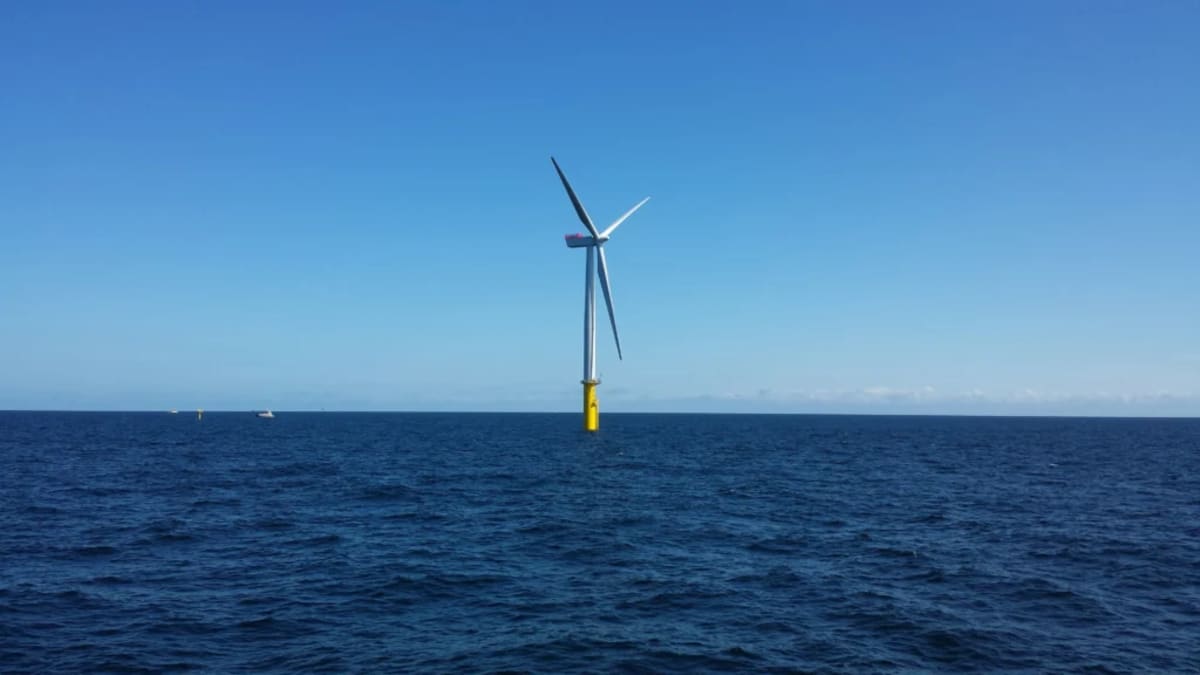
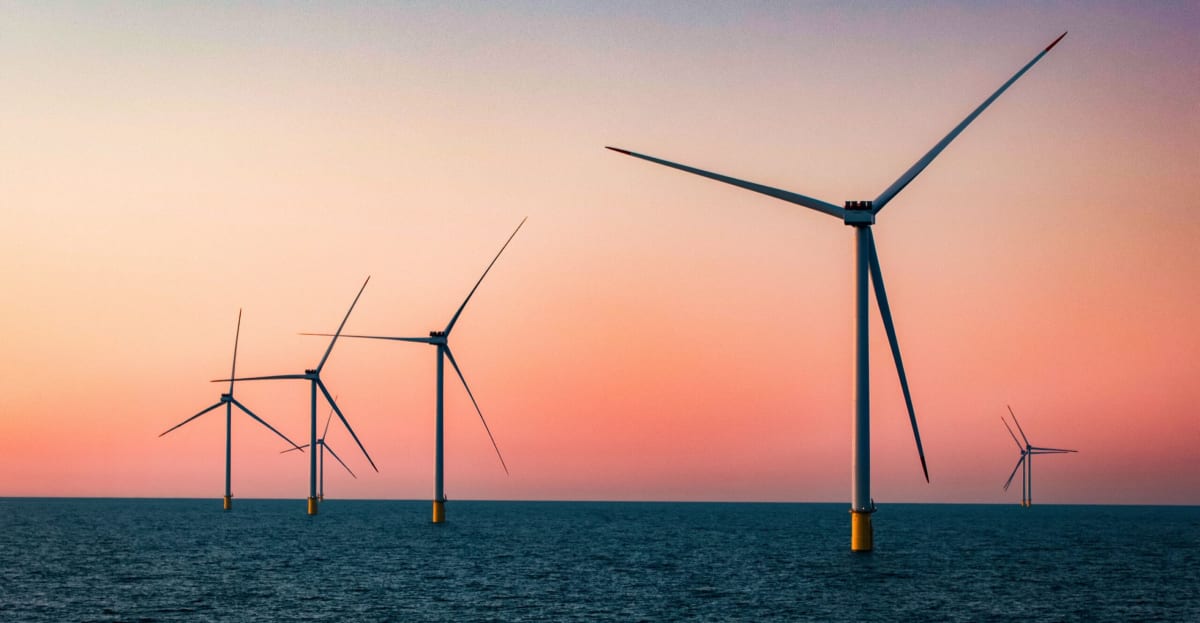
The nation's two operating offshore wind projects delivered reliable power throughout the deep freeze, matching or beating traditional power plants. South Fork Wind off Long Island ran at 52 percent capacity in January, performing as well as New York's most efficient gas plants.
South Fork Wind became America's first utility-scale offshore wind farm in 2024. The 12-turbine project now powers 70,000 homes with clean electricity.
Vineyard Wind off Massachusetts ran at an impressive 75 percent capacity during Winter Storm Fern, even though the project is still 95 percent complete. Once finished, it will deliver power at $84 per megawatt-hour, far below the $870 peak prices the storm caused.
Those soaring prices forced New England utilities to fire up expensive oil-burning plants to prevent blackouts. Residents who already face some of the nation's highest energy costs will see even bigger bills from that cold snap.
The timing couldn't be more important. Grid operators have been counting on offshore wind to meet rising electricity demand from data centers and electric vehicles in densely packed coastal cities.
The Bright Side
Energy experts have long predicted offshore wind would shine during winter cold spells, when demand for fossil gas exceeds supply. January's data proved them right in real time.
New York has two more major offshore wind projects in progress that would provide 1.7 gigawatts of capacity together. That's enough to meet more than 10 percent of electricity needs in New York City and Long Island.
Having more diverse energy sources helps keep prices stable during extreme weather. When wind and solar are producing power, utilities can reduce runtime on expensive oil units and preserve stored fuel supplies.
Connecticut's energy commissioner notes that variable resources like wind actually help control costs during challenging periods. More clean energy means less reliance on the costly, dirty backup plants that spike everyone's bills.
The performance data shows offshore wind delivers exactly what coastal states need: reliable power during peak demand, lower costs, and cleaner air. These first projects are proving the technology works when it matters most.
More Images

Based on reporting by Grist
This story was written by BrightWire based on verified news reports.
Spread the positivity!
Share this good news with someone who needs it