Oklahoma Teens 3D-Print Free Mobility Trainer for Toddler
Four teenage volunteers in Lawton, Oklahoma spent 250 hours helping their local library 3D-print a free mobility trainer for a toddler in need. The project is part of a global movement that's making assistive devices accessible to families who can't afford them.
A toddler in Lawton, Oklahoma just got a custom mobility trainer that usually costs thousands of dollars, and it came from the most unexpected place: the public library.
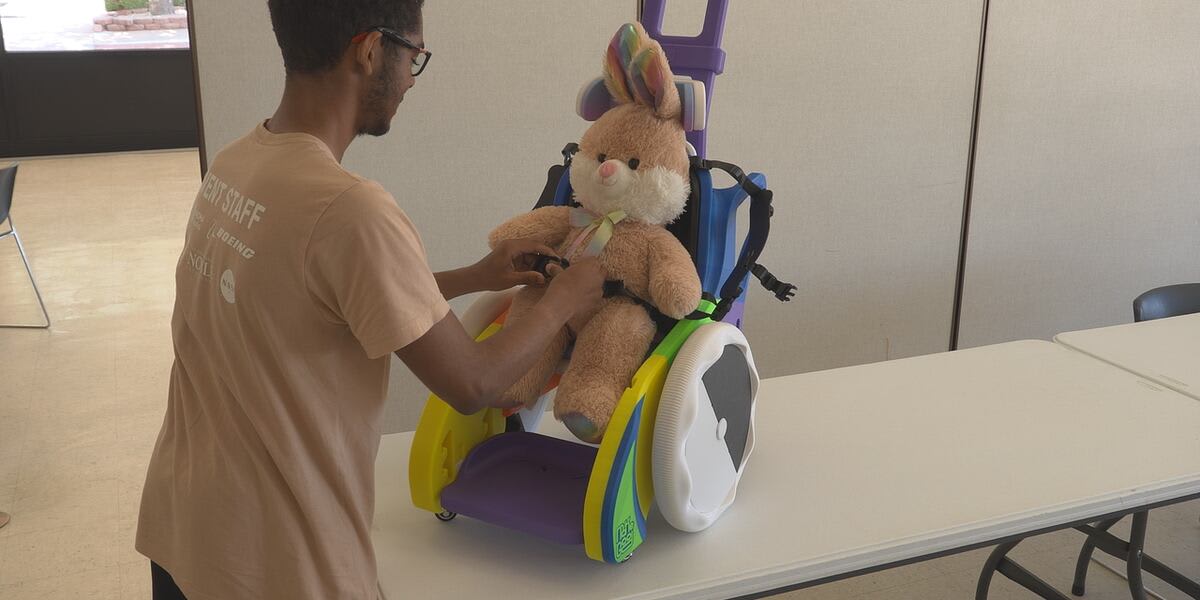
Four local teens teamed up with Lawton Public Library technology specialist Daniel Phelps to 3D-print the device over 250 hours. The library recently became the only certified 3D-Mobility site within 65 miles, joining a worldwide network providing free assistive devices to people who need them.
The mobility trainer uses an open-source design from Make Good, a nonprofit that creates blueprints for 3D-printed assistive devices. Anyone with the right equipment can download the plans and start printing.
What makes this design special is its clever construction. The pieces slot together instead of using glue, so if something breaks, the library can just reprint that one part. No need to start from scratch or throw away the whole device.
The entire project costs about $200 in materials. Compare that to commercial mobility trainers that can run into the thousands, and suddenly this library program becomes life-changing for families facing financial hardship.
Why This Inspires
This story shows how technology can level the playing field when communities decide to help each other. These teens didn't just volunteer their time. They learned a marketable skill while literally changing a child's ability to move independently through the world.
The 3D-Mobility initiative accepts donations as small as $150, which can fund an entire wheelchair for someone in need. Every dollar goes directly to materials, hardware, and shipping. No administrative fees eating into the impact.
Phelps says the library already has more mobility projects in the pipeline. As word spreads about this free resource, more families in the region will discover they don't have to choose between mobility devices and other necessities.
Libraries have always been about access to resources, but this takes it to a whole new level. Four teenagers just proved that good news still happens when young people get the chance to make a real difference.
Based on reporting by Google: volunteers help
This story was written by BrightWire based on verified news reports.
Spread the positivity!
Share this good news with someone who needs it