Old Abattoir Ponds Become Accidental Wildlife Haven
废water ponds from a shuttered Sydney meatworks have become an unexpected refuge for critically endangered migratory birds traveling from as far as Alaska and Antarctica. What started as an industrial dumping site is now a thriving sanctuary that conservationists hope to preserve.
When the Riverstone Meatworks closed its doors in 1994, nobody imagined its old waste ponds would become a lifeline for some of the world's rarest birds.
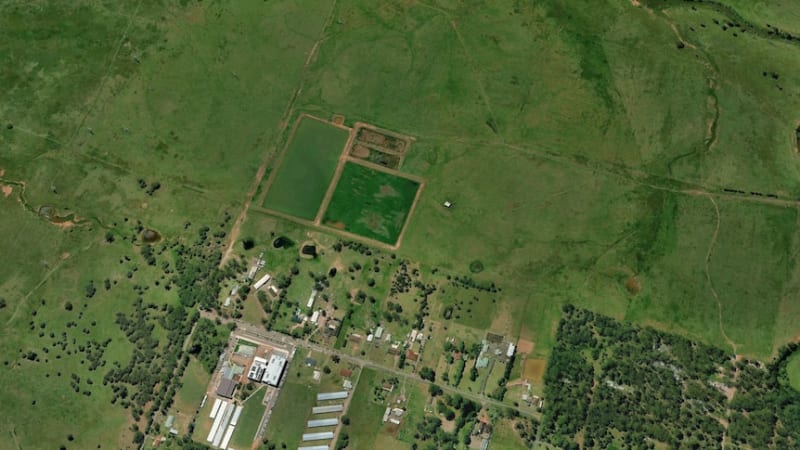
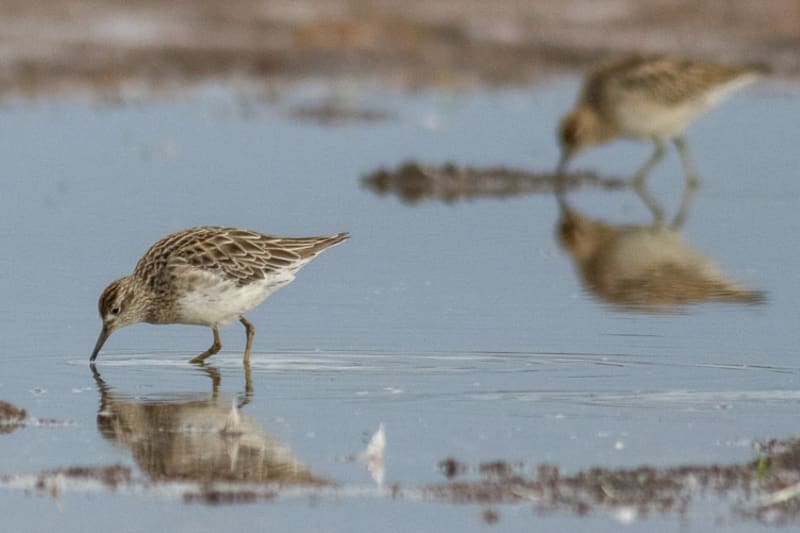
The artificial ponds in Sydney's northwest, originally built to hold abattoir effluent, have transformed into an ideal habitat for endangered species like the Australian painted snipe and the critically endangered curlew sandpiper. Birdwatchers have spotted species that migrate thousands of miles from Antarctica and Alaska, all stopping at this unexpected oasis.
The secret to their success lies in the ponds' unique design. Built above ground to prevent waste from polluting nearby creeks, they're naturally flood-proof and shallow enough for short-legged wading birds. The old waste product even helped promote microbial invertebrates that the birds feed on.
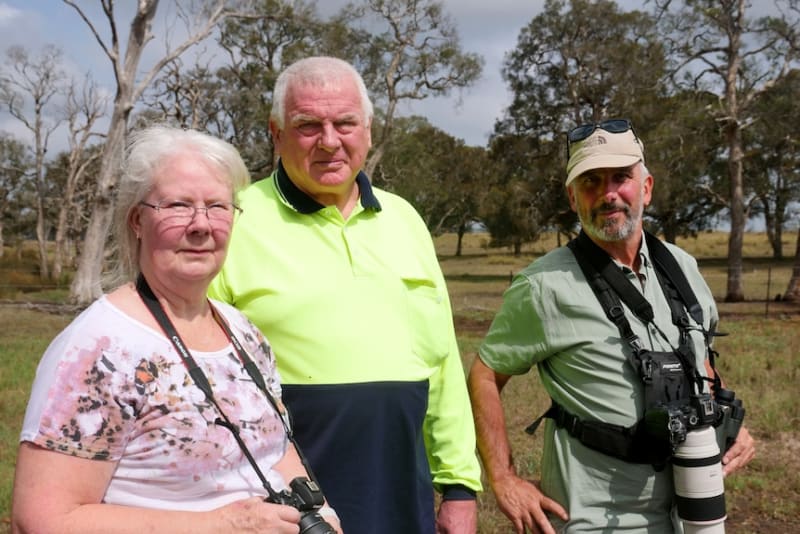
Veteran birdwatcher Mark Fuller has documented rare species thriving at the site. "It's the last place that they've really got that they can still find suitable conditions," he said. Endangered green and golden bell frogs have also been heard calling in the ponds.
Local MP Warren Kirby once called the wetlands an "oasis virtually nobody knew existed" in a blog post before entering politics. The area's distance from human activity and natural protection against predators make it nearly irreplaceable for migratory birds.
The Bright Side
This accidental conservation success shows nature's incredible ability to reclaim industrial spaces. What humans designed for waste disposal became a critical stopover for birds flying epic journeys across hemispheres.
Conservationists like Maureen Harper see opportunity in the challenge ahead. She envisions transforming the ponds into a birdwatching tourism destination that could educate visitors while protecting wildlife. "It's the perfect opportunity to do some proper conservation," Harper said.
The state government has opened public feedback until January 30, giving concerned citizens a chance to voice support for creative solutions. Whether through tourism development or habitat preservation, the conversation has shifted from simply removing the ponds to finding ways to honor their unexpected ecological value.
Sometimes the best conservation wins happen by accident, reminding us that nature finds a way when given even the smallest chance.
More Images

Based on reporting by ABC Australia
This story was written by BrightWire based on verified news reports.
Spread the positivity!
Share this good news with someone who needs it