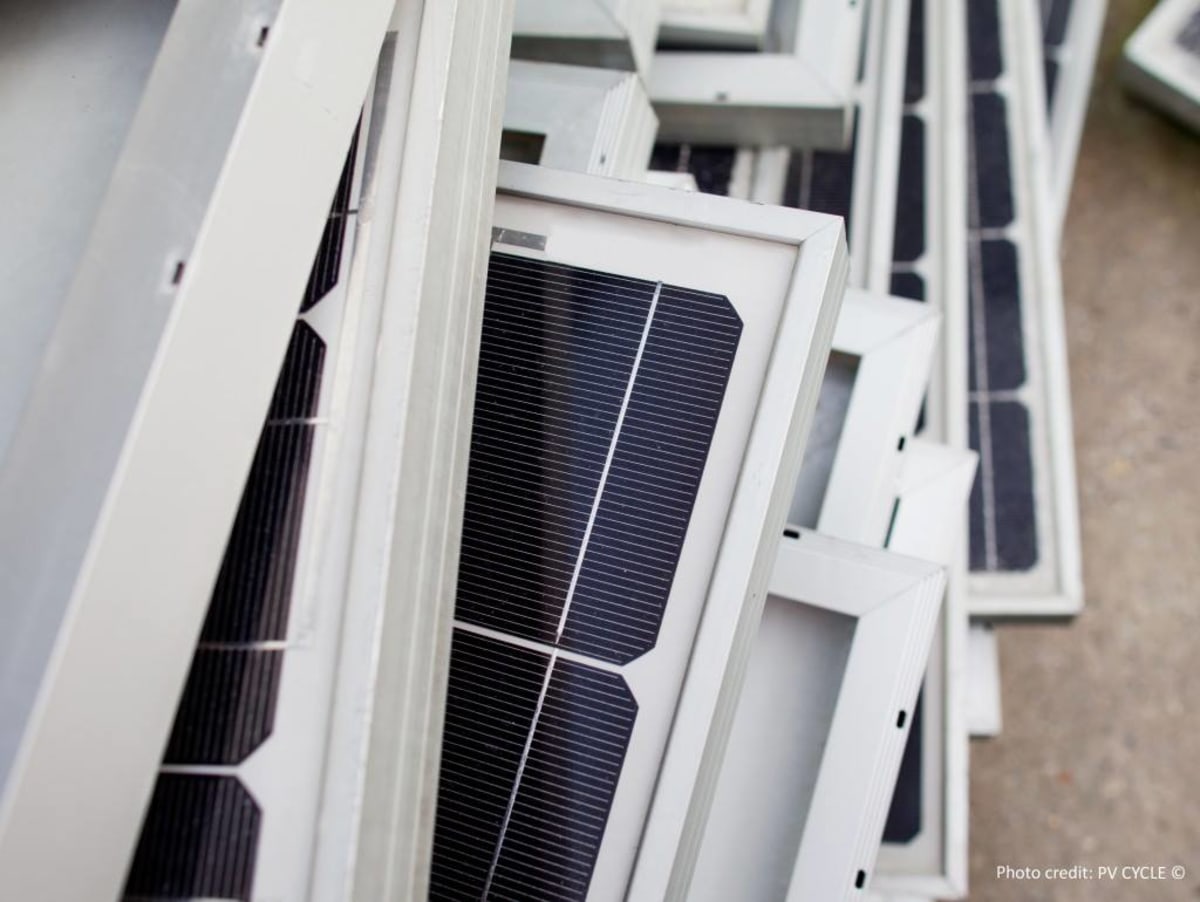
Old Solar Panels Get New Life as Pharmaceutical Catalysts
Italian scientists turned silicon from discarded solar panels into a high-performance catalyst for making medicines. The recycled material worked just as well as commercial alternatives and stayed effective through six reuse cycles.
Millions of solar panels reach the end of their 25-year lifespan each year, creating a mounting waste problem. Now researchers in Italy have found a way to transform that trash into treasure for the pharmaceutical industry.
Scientists at three Italian institutions developed a method to extract silicon from old solar panels and convert it into a catalyst used to manufacture medicines and fine chemicals. The recycled silicon performs just as well as brand-new commercial materials.
The process starts by heating discarded panels to soften the protective layers and expose the silicon cells inside. Chemical treatments remove aluminum and silver contacts, leaving behind purified silicon that's ground into a fine powder. The team achieved 86% purity, which is more than good enough for catalyst applications.
They then coat this recycled silicon with tiny palladium nanoparticles, creating a catalyst system that drives important chemical reactions used in drug manufacturing. The researchers tested it by making 22 different compounds, including ingredients for HIV medications and heart disease treatments.
The results surprised even the scientists. Their recycled catalyst completed 5,820 reaction cycles before losing effectiveness, matching the performance of catalysts made from fresh materials. After processing batches on an industrial scale across five recycling runs, they achieved a 97% success rate.
Even better, the catalyst stayed stable through six consecutive uses with minimal palladium loss. That reusability matters because palladium costs around $30,000 per kilogram, making recovery and recycling economically attractive.
The Ripple Effect
This breakthrough addresses two growing challenges at once. The world will generate 78 million tons of solar panel waste by 2050 as first-generation installations reach retirement age. Meanwhile, pharmaceutical companies constantly seek more sustainable manufacturing methods to reduce their environmental footprint.
By turning solar waste into pharmaceutical tools, this innovation creates a circular economy loop. Panels that captured sunlight for decades get a second career helping produce life-saving medications instead of sitting in landfills.
The research team believes their silicon recovery method could extend beyond catalysts. The same recycled material might support other metal-based systems used across various industrial processes, multiplying its potential applications.
The work demonstrates that waste from one industry can become valuable resources for another. Those aging solar panels sitting on rooftops aren't just retired technology—they're raw materials waiting for their next purpose.
More Images


Based on reporting by PV Magazine
This story was written by BrightWire based on verified news reports.
Spread the positivity!
Share this good news with someone who needs it
%2Ffile%2Fattachments%2Forphans%2FWhatsAppImage2026-08-19at1527412_771386.jpeg)