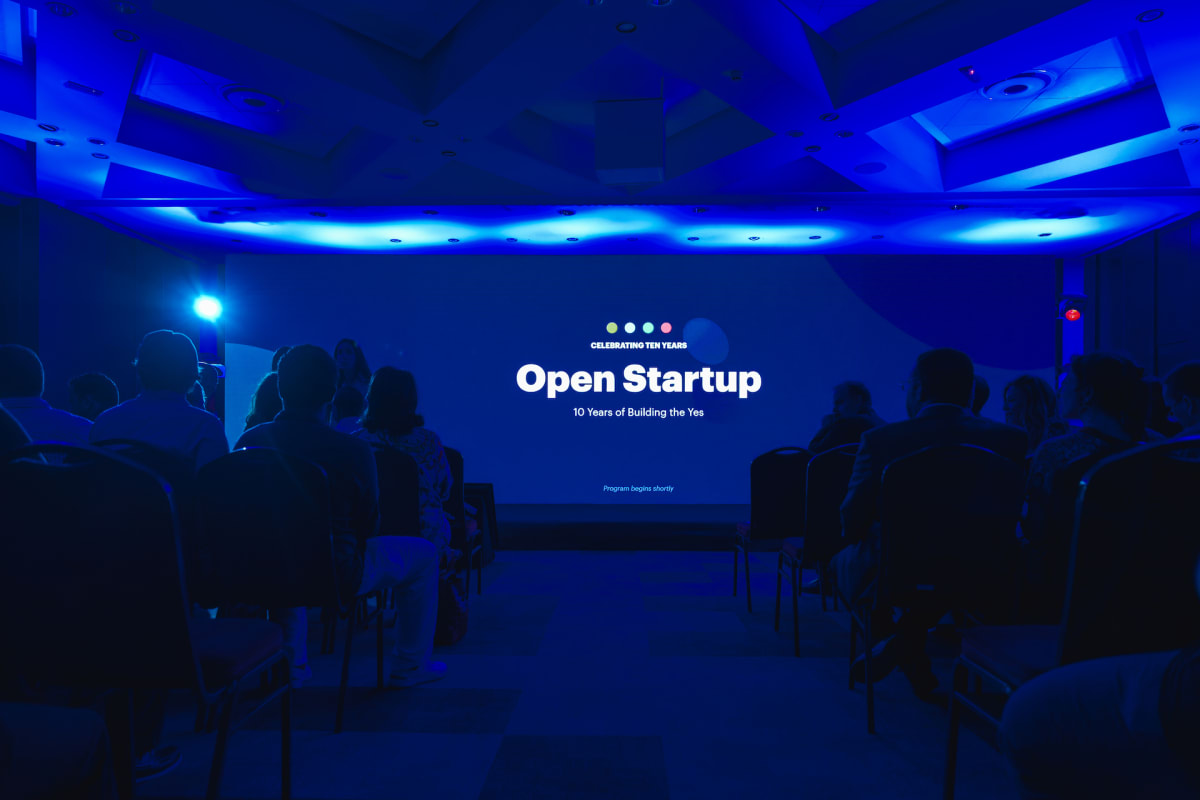
Open Startup Backs 1,000 Ventures, Shifts to Science Economy
After helping over 1,000 startups across 20 African countries, Open Startup is betting the continent's next breakthrough will come from laboratories and research centers. The organization just launched a new program connecting scientists with investors to turn discoveries into businesses.
A decade-long experiment in African entrepreneurship just reached a major milestone, and its leaders are doubling down on an even bigger bet.
Open Startup has supported more than 1,000 ventures and 3,000 entrepreneurs across Africa since launching in Tunisia in 2016. Now the organization is shifting its focus from traditional tech startups to something more ambitious: turning scientific research into commercial success.
The new initiative, called The Science Road, targets innovators working in laboratories and universities who are developing solutions in healthcare, climate technology, artificial intelligence, and other research-driven fields. These ventures face a critical problem that software startups don't: they need more money upfront, take longer to develop, and struggle to attract early funding before proving commercial success.
To solve this, Open Startup created Openers First, an investment fund that will back promising ventures emerging from its programs. The fund aims to bridge what experts call one of Africa's largest financing gaps, helping science-based companies transition from research to market.
"We believe The Science Road can become a runway connecting Africa's innovators to the world," said Houda Ghozzi, founder and CEO of Open Startup. The organization has built an impressive network over the past decade, training over 300 startup coaches and developing a community of more than 500 mentors across more than 20 African countries.
The timing reflects a broader shift happening across the continent. While fintech still attracts the most venture capital, investors and governments are increasingly looking at biotechnology, clean energy, advanced manufacturing, and agricultural technology as the next engines of growth.
The Ripple Effect
The transformation could unlock scientific talent that has long struggled to reach commercial markets. Many African researchers develop breakthrough innovations but lack the business support, funding networks, and commercial partnerships needed to turn discoveries into products.
Open Startup's new partnerships with institutions from Tunisia to South Africa, including Stellenbosch University and MIT, aim to change that. The organization will connect researchers directly with industry experts, investors, and global innovation networks, helping move promising technologies from laboratories to real-world applications.
The program operates through two pathways: one for scientists translating early research into businesses, and another for seed-stage companies already developing technologies that address major market challenges. Both receive acceleration support plus access to early-stage investment through Openers First.
International partners supporting the initiative include KfW AfricaGrow, the United States Department of State, the European Union, and leading universities like Columbia and MIT. Their backing signals growing confidence that Africa's next wave of innovation will come not just from apps and platforms, but from deep technology solving problems in food security, healthcare, climate resilience, and industrial development.
Africa's science economy is getting the infrastructure it needs to compete globally.
More Images



Based on reporting by Regional: africa innovation startup (ZA)
This story was written by BrightWire based on verified news reports.
Spread the positivity!
Share this good news with someone who needs it