Orange-Scented Algae Captures Microplastics From Water
Scientists engineered algae that smells like oranges to magnetically attract and remove tiny plastic particles from drinking water. The breakthrough could clean wastewater, reduce pollution, and transform captured plastics into safer materials. #
Imagine if the solution to plastic pollution in our drinking water smelled like fresh oranges and cleaned itself while working. Scientists at the University of Missouri just made that a reality.
Researcher Susie Dai engineered a special strain of algae that acts like a magnet for microplastics, those tiny plastic bits that slip through water treatment plants and end up in our taps. The modified algae produce limonene, the natural oil that gives oranges their signature scent.
Here's where it gets clever. Limonene makes the algae's surface repel water, and since microplastics also repel water, the two naturally stick together when they meet. They form clumps that sink to the bottom, creating dense layers that workers can easily scoop out.
The algae don't just catch plastic. While growing in wastewater, they absorb excess nutrients and help purify the water at the same time. It's like having a cleanup crew that multitasks without needing instructions.
"Microplastics are pollutants found almost everywhere in the environment, such as in ponds, lakes, rivers, wastewater and the fish that we consume," said Dai, a professor in the College of Engineering. Most treatment plants can only filter out large plastic particles, leaving microscopic pieces to flow into rivers, lakes, and eventually our glasses.
Dai's team isn't stopping at cleanup. Their long-term goal transforms the problem into a solution by recycling the captured microplastics into safer bioplastic materials, including composite films. One approach tackles three problems: removing pollution, cleaning wastewater, and creating useful products.
The Ripple Effect
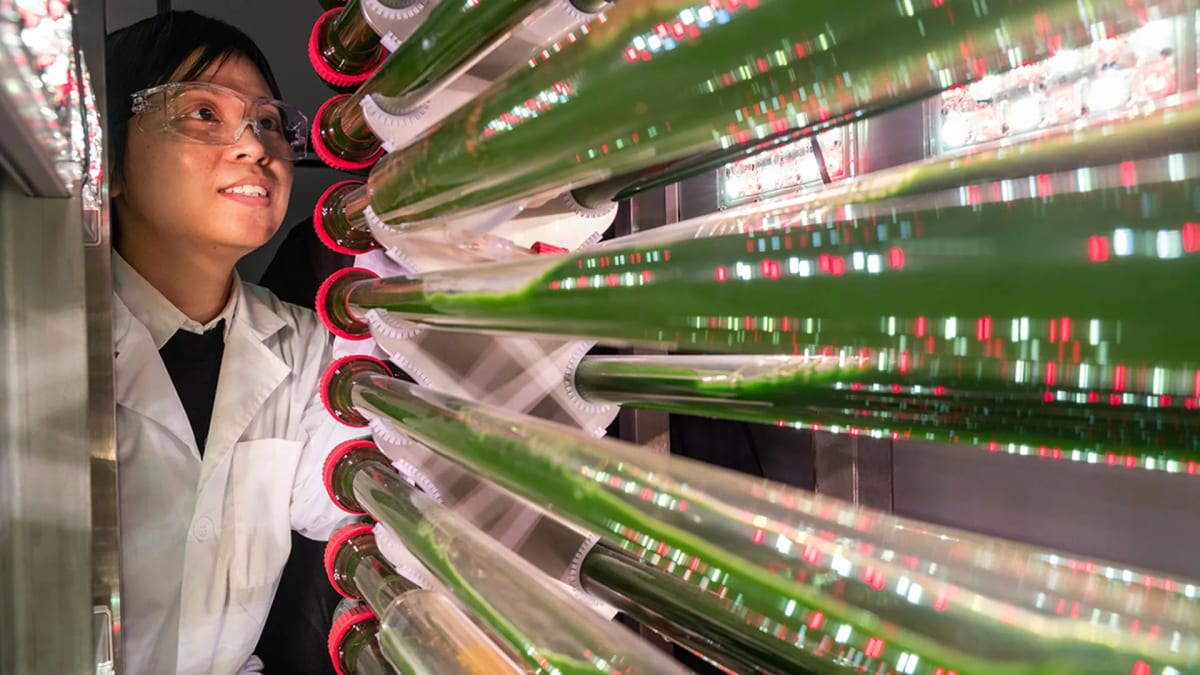
The technology could integrate into existing wastewater treatment plants without requiring cities to rebuild their infrastructure. Dai's lab already operates large bioreactors, including a 100-liter system nicknamed "Shrek" that currently processes industrial emissions to reduce air pollution.
She plans to scale up similar systems for wastewater treatment. If successful, cities worldwide could adopt this approach to protect their water supplies while reducing the plastic that harms fish, wildlife, and human health.
The research, published in Nature Communications, represents early-stage work that still needs testing and refinement. But the concept proves that nature-inspired solutions can address modern pollution challenges in surprisingly simple ways.
Every innovation that keeps microplastics out of our water brings us closer to healthier oceans, rivers, and communities.
#
Based on reporting by Science Daily
This story was written by BrightWire based on verified news reports.
Spread the positivity!
Share this good news with someone who needs it