Oregon Fishery Bounces Back from Near-Total Collapse
Two decades after federal authorities declared the West Coast groundfish fishery a disaster, the final overfished species has officially recovered. The turnaround came from strict quotas, science-based limits, and fishers who stuck with a painful rebuilding plan.
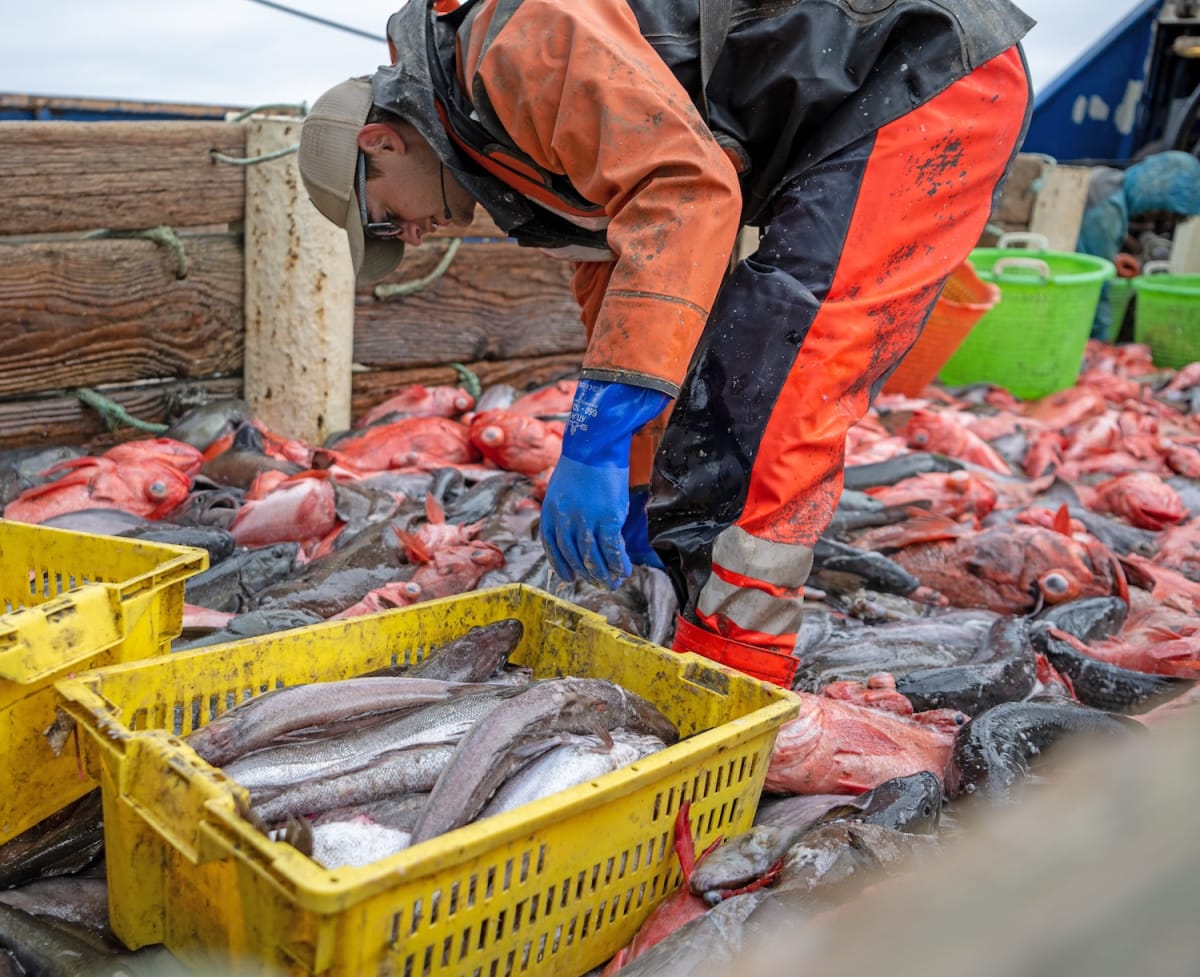
Aaron Longton stood in his converted garage processing room in Port Orford, Oregon, sorting through hundreds of kilograms of rockfish and lingcod. Twenty years ago, a catch like this would have seemed impossible.
The West Coast groundfish fishery once faced total collapse. By 2000, years of heavy fishing had depleted stocks across more than 90 species living along the Pacific seabed from Washington to California, forcing federal authorities to declare it a disaster.
The response was severe and painful. Regulators closed large sections of ocean to trawling, slashed quotas dramatically, and funded a buyout that removed dozens of vessels from the fleet.
Many fishers left the industry entirely. Those who stayed entered a completely different world governed by the Magnuson-Stevens Fishery Conservation and Management Act, which tied catch limits directly to scientific advice.
A 2010 catch-share program gave individual quotas to permit holders, ending the frantic race to catch as much as possible when seasons opened. Trawlers now had to carry observers who documented every single haul, making monitoring far stricter than before.
The new rules sparked fierce debate. Many fishers feared the restrictions would destroy their businesses and livelihoods.
But the fish came back. In October 2025, officials announced that yelloweye rockfish, the final species classified as overfished, had recovered to healthy levels.
Scientists had predicted the recovery would take decades longer. Most waters once closed to trawling have now reopened, and advances in gear design are reducing ecological harm through modified nets, sensors, and lighting systems that avoid unwanted catch.
The Bright Side
The West Coast groundfish recovery proves that depleted ocean populations can bounce back when we combine scientific management with patience. The fishery went from disaster status to full recovery in just two decades, faster than experts thought possible.
The transformation also shows that controversial conservation measures can work even when they seem economically painful at first. Fishers who weathered the difficult transition years now have access to healthy fish populations that can sustain their businesses long-term.
Economic challenges remain, including high costs for monitoring, insurance, and fuel. The industry now faces a new question: how to make the fishery prosper without repeating the overfishing mistakes that nearly erased it.
But today, fishers in Port Orford can pull hundreds of kilograms of rockfish from waters that were once nearly empty.
More Images


Based on reporting by Mongabay
This story was written by BrightWire based on verified news reports.
Spread the positivity!
Share this good news with someone who needs it