Oregon Team Delivers Chemo Directly to Liver Tumors
A surgical team in Portland just performed a groundbreaking procedure that floods liver tumors with chemotherapy, then filters it out before it reaches the rest of the body. The patient went home the next day.
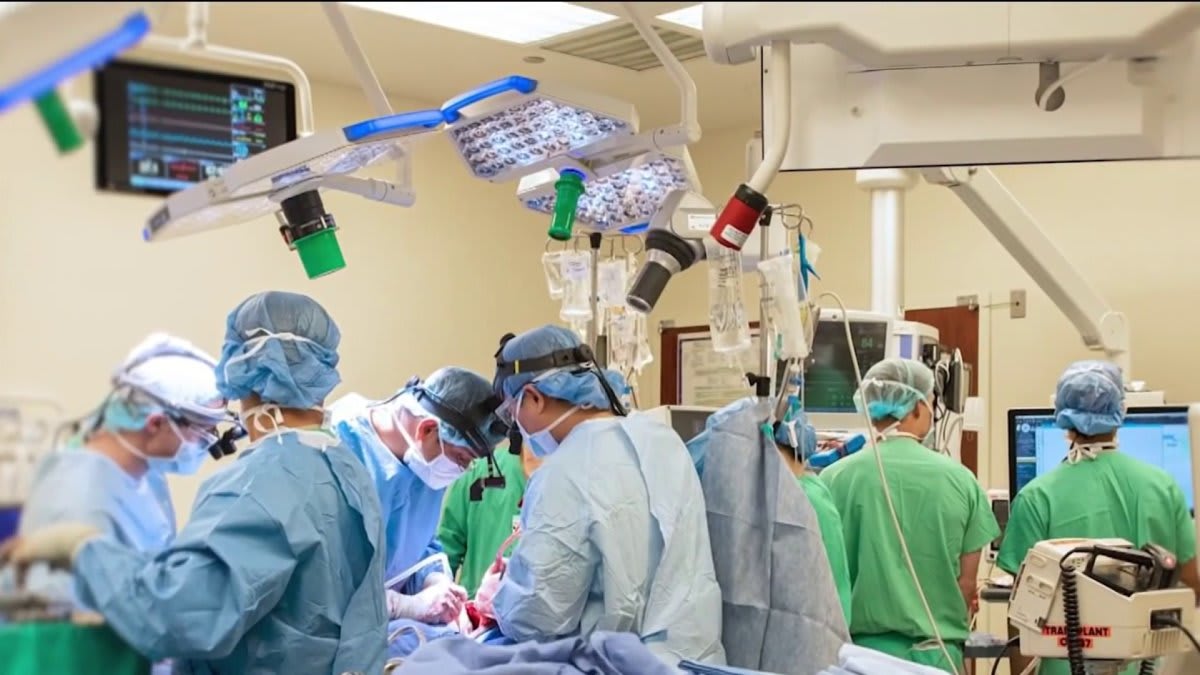
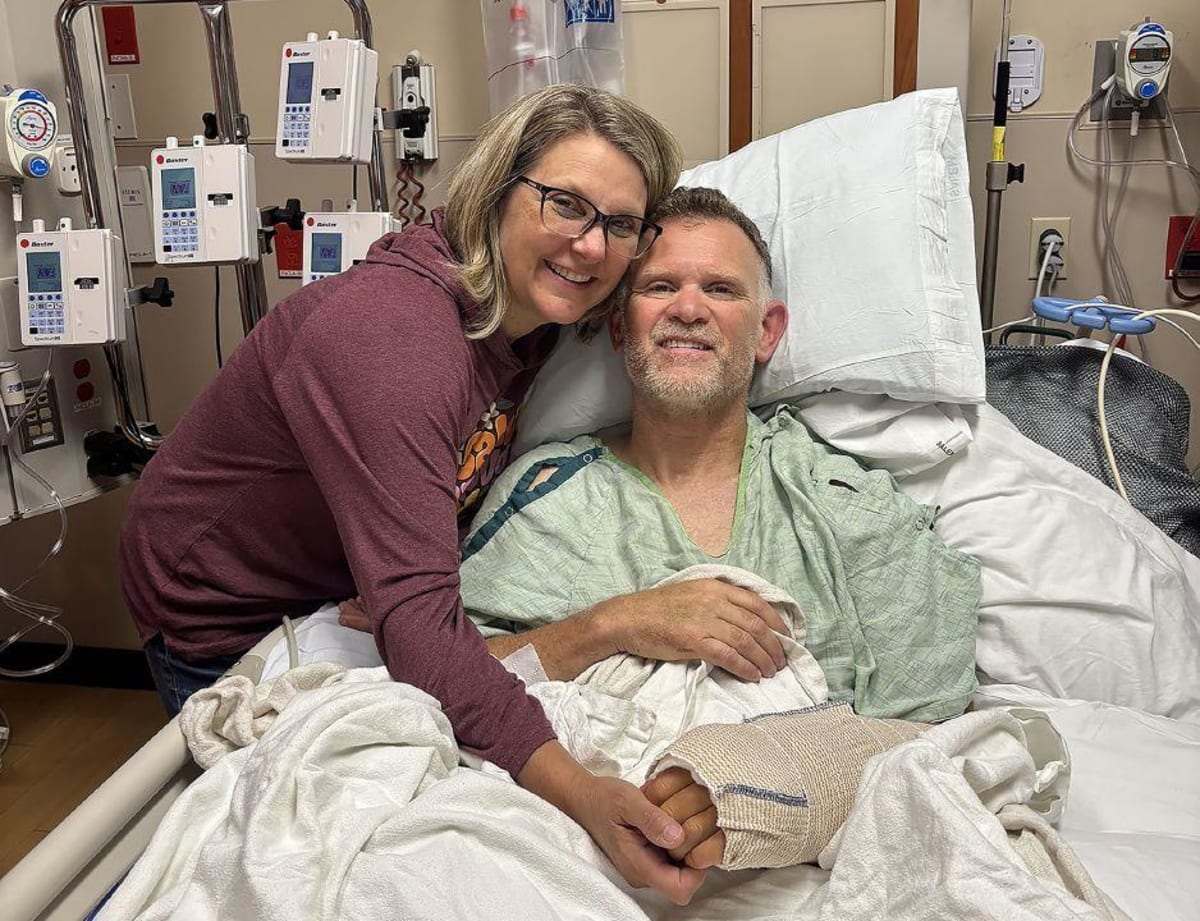
A 68-year-old woman with rare eye cancer walked out of Oregon Health & Science University just one day after doctors flooded her liver with high-dose chemotherapy, a feat that would have been impossible without a revolutionary new technique.
The March procedure made OHSU the first center in the Pacific Northwest to use Hepzato percutaneous hepatic perfusion, an FDA-approved treatment that sounds like science fiction. Doctors tap into the liver's own blood supply, deliver concentrated chemotherapy directly to cancer cells, then immediately filter the drug out before it can circulate through the body.
"Without this technique, this would have been a major operation with full exposure of the liver," said Dr. Khashayar Farsad, who led the interventional radiology team. The new approach is minimally invasive, requiring only small incisions instead of major surgery.
The procedure targets uveal melanoma, a rare cancer that starts as a mole in the eye but spreads to the liver in many cases. While eye doctors can successfully treat the original tumor, the cancer frequently metastasizes and becomes deadly when it reaches the liver.
Dr. Alison Skalet from OHSU Casey Eye Institute emphasizes the importance of monitoring eye freckles and moles throughout life. About 1 in 8,000 of these common benign spots transforms into melanoma, often growing silently until tumors become large and aggressive.
The March patient, Christine Lines from Sweet Home, Oregon, understands her prognosis is measured in months rather than years. But she's grateful for the chance and relieved she didn't have to leave the state for cutting-edge care.
"I'm hoping to make it to another Christmas," Lines said. "I'm feeling more confident that I'll make it to the end of the year."
The Ripple Effect
The successful procedure required an orchestra of specialists working in perfect harmony: interventional radiologists, medical oncologists, anesthesiologists, perfusion experts, pharmacists, and ophthalmologists. That kind of coordination showcases what's possible when medical teams collaborate across disciplines.
Dr. Farsad sees this as just the beginning. The technique could expand to other cancers and open doors for clinical trials where OHSU leads nationally. The ability to deliver high-dose chemotherapy to specific organs without systemic side effects could transform cancer treatment.
For patients like Lines, every new option represents hope, and every month gained is precious time with loved ones.
More Images



Based on reporting by Google News - New Treatment
This story was written by BrightWire based on verified news reports.
Spread the positivity!
Share this good news with someone who needs it
%3Amax_bytes(150000)%3Astrip_icc()%2FTeddi-Mellencamp-6-082726-76699d25fce844b5882507c2b50b4464.jpg)