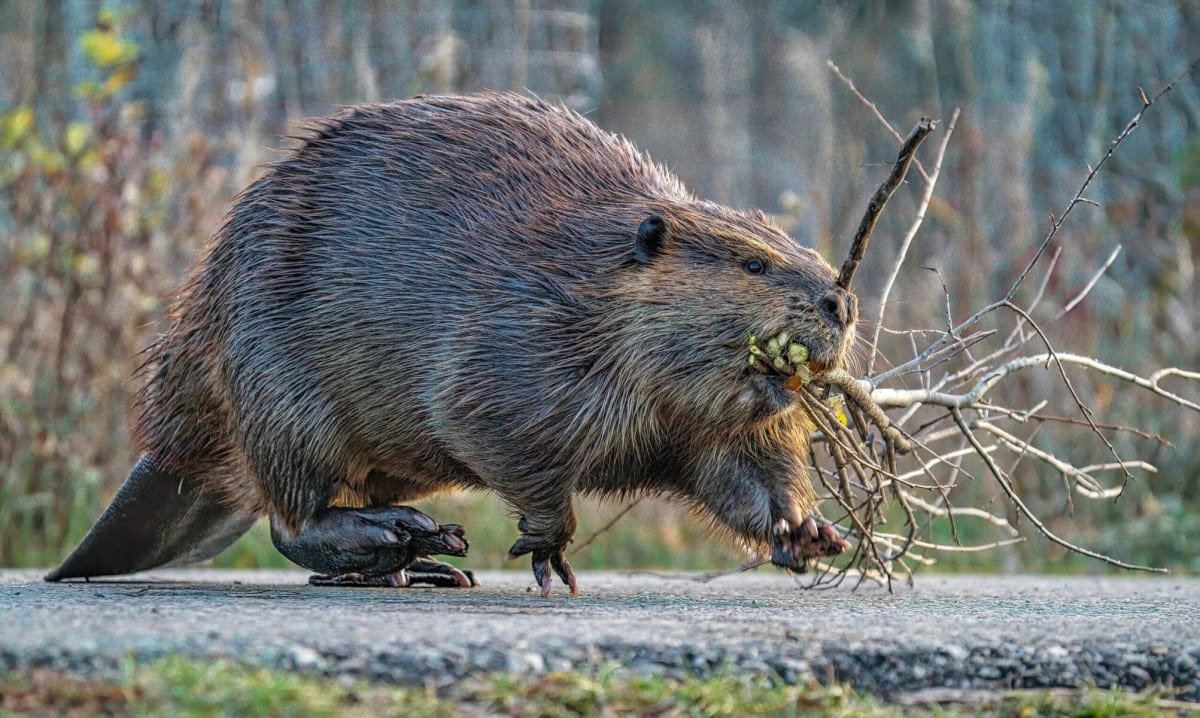
Oregon Unleashes Beavers to Save Salmon and Restore Rivers
After nearly wiping out beavers 200 years ago, Oregon is bringing them back to reverse decades of environmental damage. These furry engineers are creating wetlands that could save endangered salmon and restore parched landscapes across the West.
Oregon's rivers were dying, and scientists realized they needed nature's best construction workers to save them.
For decades, the Pacific Northwest watched helplessly as salmon vanished, wildfires scorched the hills, and once-lush streams dried to trickles. By the 2020s, Oregon had more damaged waterways than almost any other state, and small fixes weren't working anymore.
The solution turned out to be an animal humans nearly drove to extinction 200 years ago. Beavers once numbered in the hundreds of millions across North America until the fur trade decimated their population in the 1800s.
Without beavers building dams and creating wetlands, Western lands have been drying out fast. Streams now drain quickly instead of storing water, and average temperatures have risen as cold pools disappeared.
That's terrible news for salmon, which need those slow-moving ponds to lay eggs and raise their young. By the mid-1990s, several Pacific Northwest salmon species were listed as endangered, threatening both Indigenous food sources and the region's economy.
Then Oregon State University researchers made a breakthrough discovery. They found that areas with beaver ponds had vastly higher salmon populations than those without them.
The numbers told a stunning story. Beaver ponds made up only nine percent of habitat but housed 66 percent of the coho salmon in the system. In British Columbia, young salmon that spent winter behind beaver dams had a 60 percent survival rate, far higher than the regional average.
The Ripple Effect
Beavers don't just help salmon. Their dams create wetlands that act like natural sponges, storing water during droughts and filtering pollutants. The ponds they build provide habitat for dozens of species, from frogs to waterfowl to insects.
These wetland ecosystems also help fight climate change by storing carbon in rich soils and keeping landscapes moist enough to resist wildfires. What looks like a simple stick dam is actually a sophisticated water management system that took nature millions of years to perfect.
The challenge now is overcoming more than a century of bad PR. Many landowners still see beavers as pests that flood property and destroy trees, not as free ecosystem engineers.
But attitudes are slowly shifting as communities see the results. Restoration projects across Oregon are now actively relocating beavers to damaged watersheds, and scientists are even building artificial "beaver dam analogs" to jumpstart restoration in areas where the animals haven't returned yet.
After nearly wiping them out, we're finally learning what Indigenous peoples knew all along: beavers belong here, and healthy rivers need them.
More Images


Based on reporting by Reasons to be Cheerful
This story was written by BrightWire based on verified news reports.
Spread the positivity!
Share this good news with someone who needs it