Pacific Islands Unite to Protect Massive Ocean Corridor
Four Pacific island nations just announced plans to create one of the world's largest connected ocean reserves, protecting some of the planet's most biodiverse coral reef ecosystems. Papua New Guinea has already committed to protecting an area the size of Great Britain as a no-fishing zone.
Four island nations in the Pacific just made a powerful promise to the ocean that connects them all.
Papua New Guinea, Vanuatu, Fiji, and Solomon Islands have joined forces to create the Melanesian Ocean Corridor of Reserves (MOCOR), a massive network of protected waters that will span their shared seas. The announcement came at the first Melanesian Ocean Summit in May, with Solomon Islands signing on in late June.
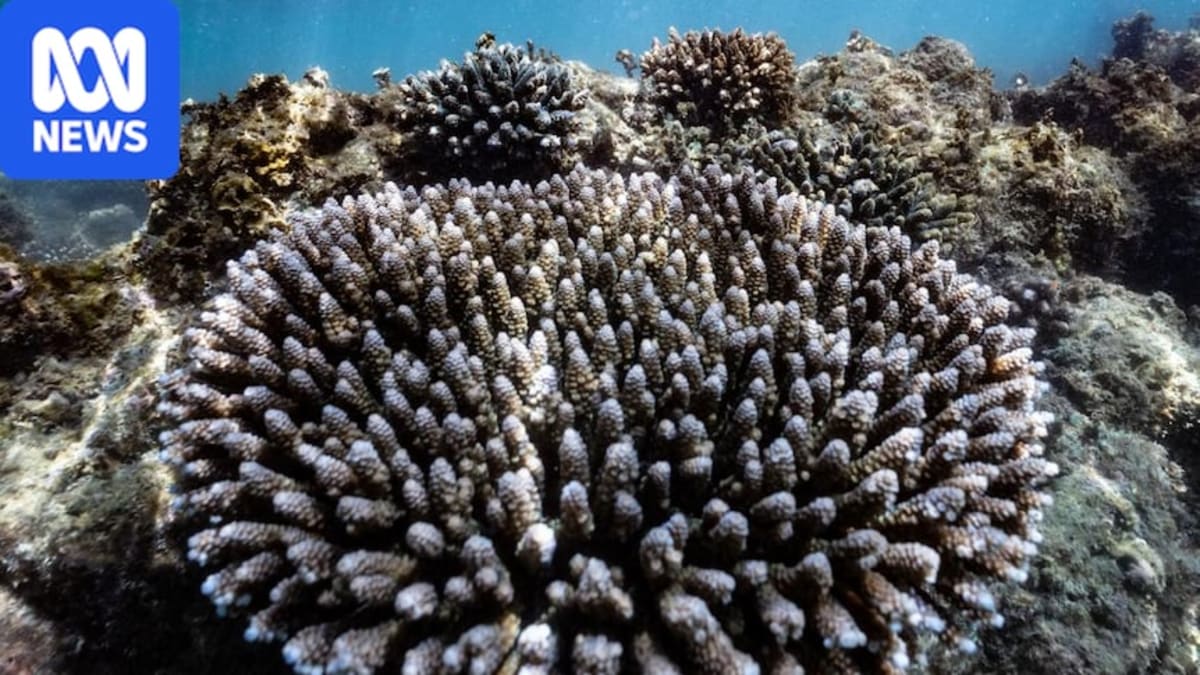
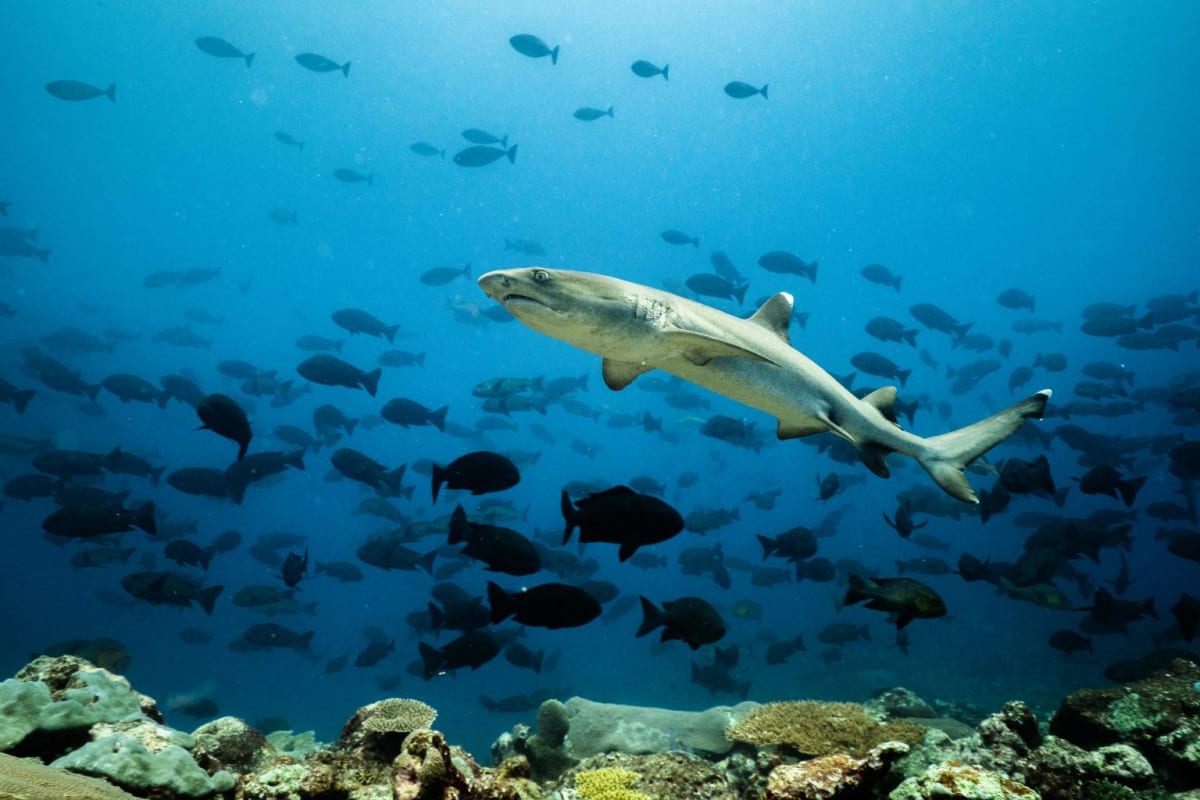
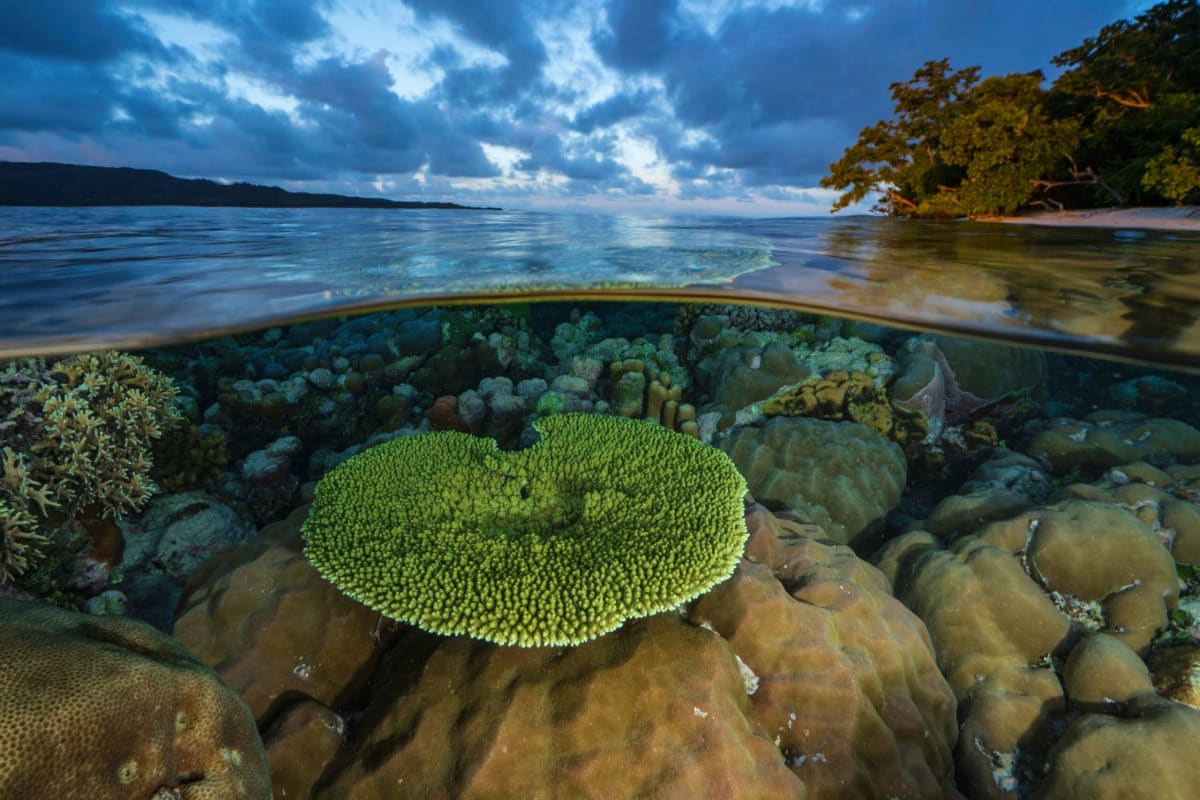
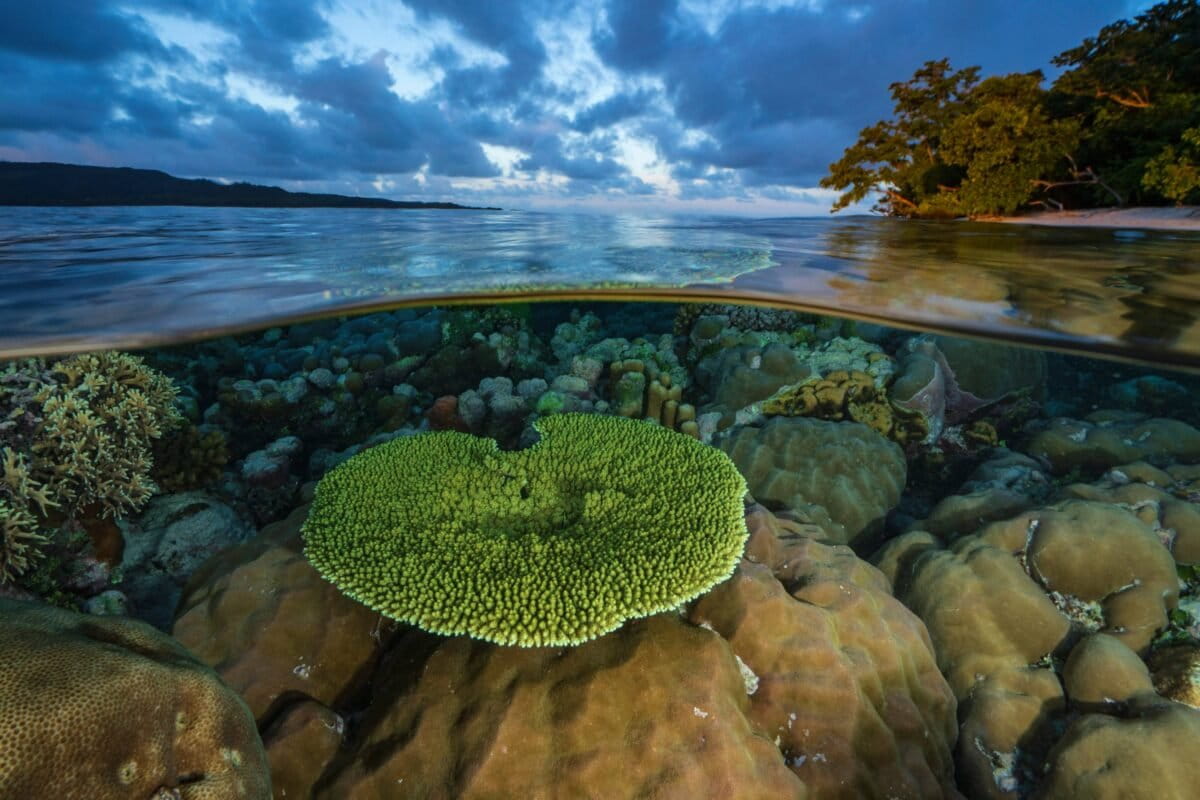
This isn't just any stretch of water. The Melanesian region sits in the heart of the Coral Triangle, home to 75% of all known coral species on Earth. These waters teem with sharks, rays, whales, dugongs, and countless species scientists are still discovering for the first time.
"The initiative represents a bold and timely step forward, recognizing that our oceans do not end at national boundaries," Fiji Prime Minister Sitiveni Rabuka told fellow leaders at the summit. The nations are taking seriously their role as protectors of one of the world's most irreplaceable marine treasures.
Papua New Guinea wasted no time turning words into action. The country pledged to establish the Western Manus National Marine Sanctuary, a 214,000-square-kilometer area roughly the size of Great Britain where all commercial fishing and extractive activities will be banned.
The Ripple Effect
Marine scientists have long known that connected ocean corridors work better than isolated protected areas. Fish, whales, and sea turtles don't recognize national borders, so their protection shouldn't either.
By linking their conservation efforts across territorial waters, these Pacific nations are creating safe highways for marine life to migrate, breed, and thrive. The approach could become a model for other regions facing similar challenges in protecting ocean ecosystems that cross political boundaries.
The partnership represents something deeper too. These island nations depend on healthy oceans for food security, cultural identity, and economic survival. By protecting 30% of their waters together, they're investing in their shared future.
Details about enforcement, community involvement, and exact boundaries are still being worked out. But the commitment itself sends a powerful message: small nations can lead the way in solving big environmental challenges.
The ocean connects us all, and now four Pacific nations are proving that protecting it works best when we do it together.
More Images

Based on reporting by Mongabay
This story was written by BrightWire based on verified news reports.
Spread the positivity!
Share this good news with someone who needs it