Pacific Northwest Plans $12B Clean Energy Surge by 2032
Four Northwest states just unveiled an ambitious plan to add 14 gigawatts of clean energy by 2032, marking one of the largest regional renewable buildouts in U.S. history. The shift signals a major transformation toward wind, solar, and battery storage to power everything from tech data centers to homes.
Energy planners across Idaho, Montana, Oregon, and Washington just charted a course that could reshape how America powers its future.
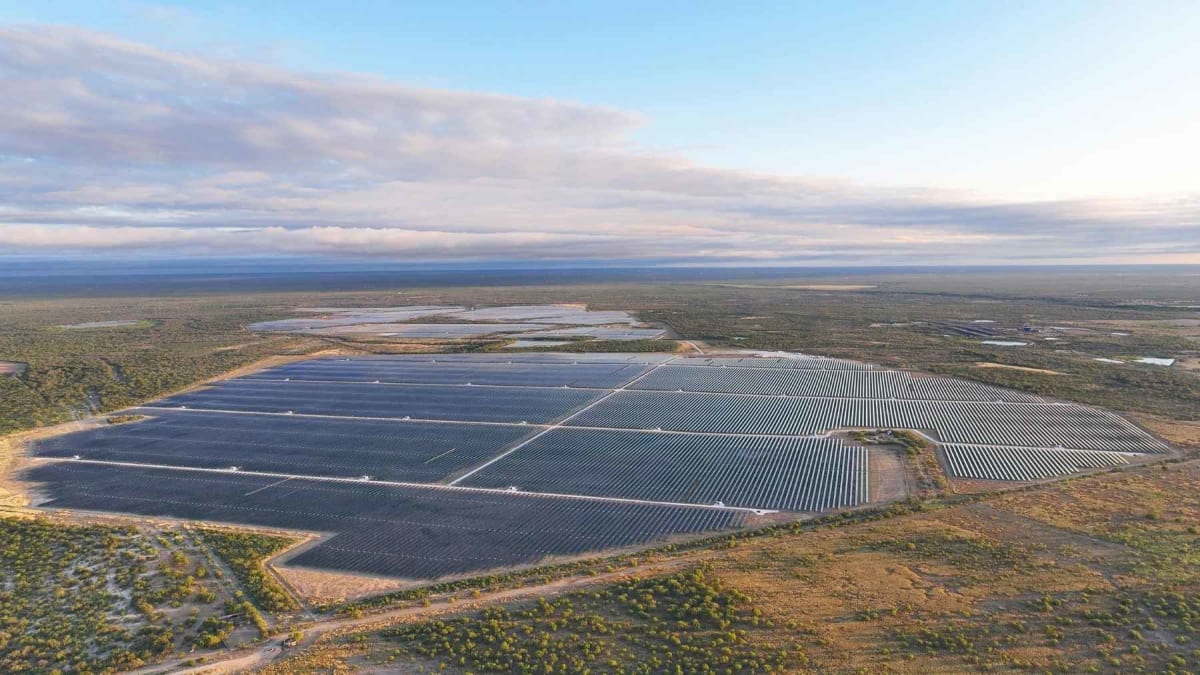
The Northwest Power and Conservation Council released a draft plan Thursday calling for 9 gigawatts of wind and solar, 5 gigawatts of battery storage, and nearly 600 megawatts of demand response by 2032. That's enough new clean energy to power roughly 10 million homes.
The price tag? About $2 billion annually, which planners say is the most cost-effective way to keep the lights on as demand surges from data centers, semiconductor plants, and electric vehicles flooding the market.
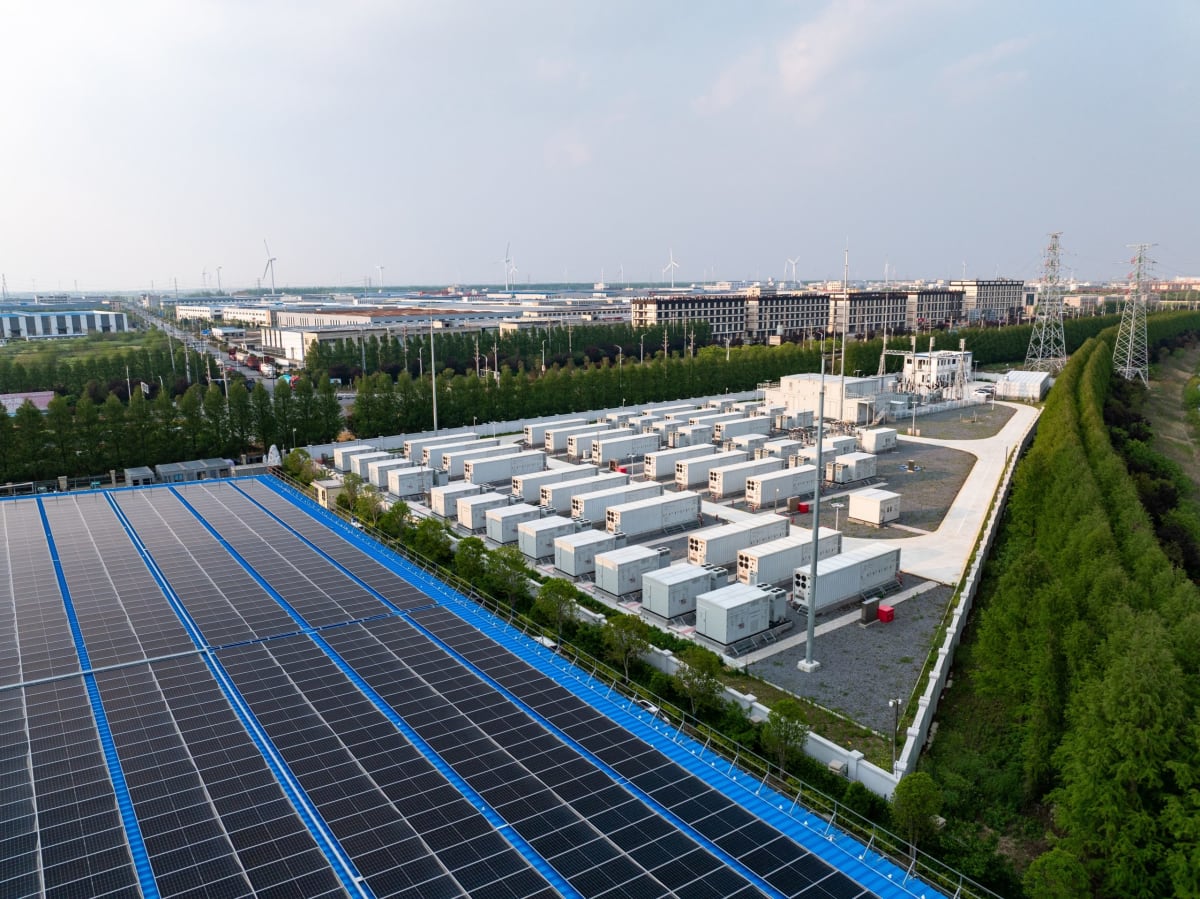
Jennifer Light, the council's director of power planning, emphasized that pairing solar with battery storage will be key. Co-locating these technologies cuts transmission costs and prevents wasting solar energy when production exceeds demand.
The plan marks a dramatic departure from past strategies that leaned heavily on energy efficiency. Now, the region is betting big on flexible clean power that can adapt to real-time needs.
For the first time, the council recommended that tech companies building massive data centers bring their own resources like battery storage. Amazon, Microsoft, and Google are all expanding operations in Oregon and Washington, drawn by the region's abundant hydroelectric power.
The council also asked data centers to meet strict energy efficiency standards, especially for cooling systems that typically guzzle electricity.
The Bonneville Power Authority, a federal nonprofit supplying a third of the region's power, must legally follow the plan. Investor-owned utilities typically align with it too, though they're not required to.
The Ripple Effect
This buildout could create thousands of construction and maintenance jobs across four states while slashing carbon emissions. Oregon and Washington have already committed to 100% clean power by the mid-2040s, and this plan puts them on track to deliver.
The transformation also addresses climate change impacts already reshaping the region's hydropower backbone. Rising temperatures mean less mountain snowpack and earlier snowmelt, shifting when rivers generate electricity throughout the year.
New battery storage can fill those gaps, storing excess hydropower in winter for use during summer peaks.
Light acknowledged uncertainties ahead. Interconnection queues remain clogged, permitting processes drag on, and questions about who pays for transmission upgrades linger. The Bonneville Power Authority, which controls 75% of regional transmission lines, hasn't built new long-distance lines in years, though it recently announced $5 billion for infrastructure improvements.
Public comment runs until October 16, with hearings scheduled across all four states.
If finalized in early 2027, the plan could transform the Pacific Northwest into one of America's most aggressive clean energy markets, proving that regions can meet soaring electricity demand without sacrificing reliability or affordability.
Based on reporting by Google News - Clean Energy
This story was written by BrightWire based on verified news reports.
Spread the positivity!
Share this good news with someone who needs it