Scientists Find Way to Protect Whales During Wind Farms
New research shows wind energy developers can protect endangered right whales from construction noise without breaking the bank. A planning app helps builders schedule work when whales aren't around.
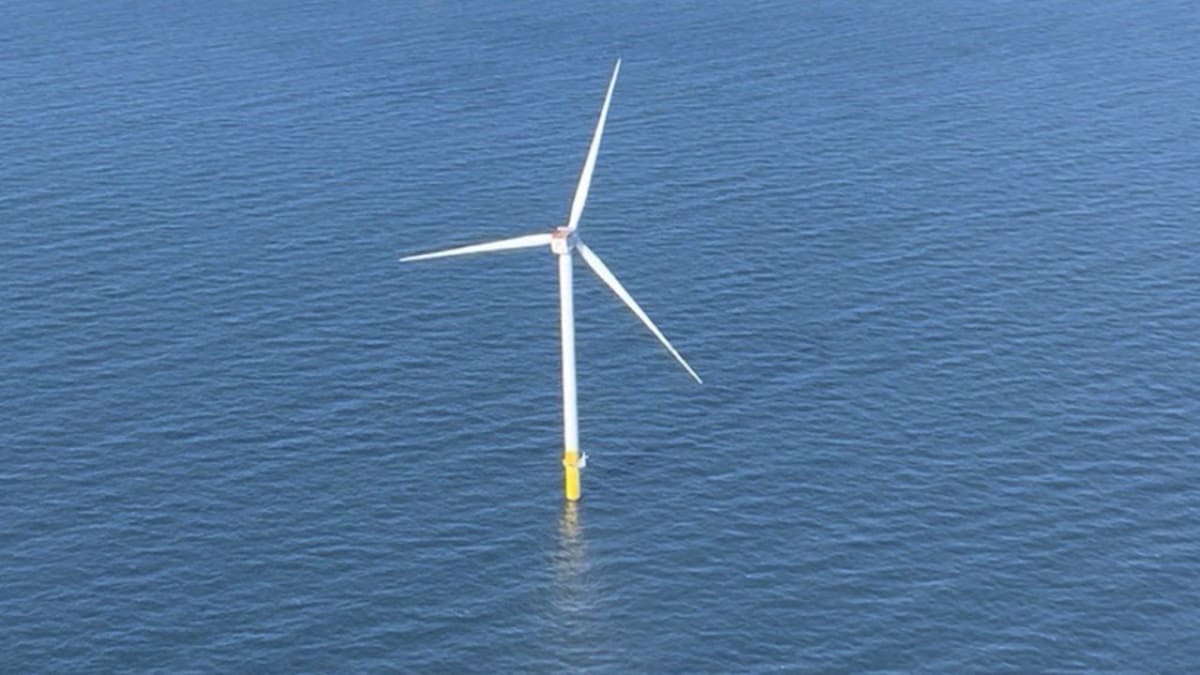
Scientists just solved a problem that seemed impossible: how to build clean energy wind farms without harming critically endangered whales.
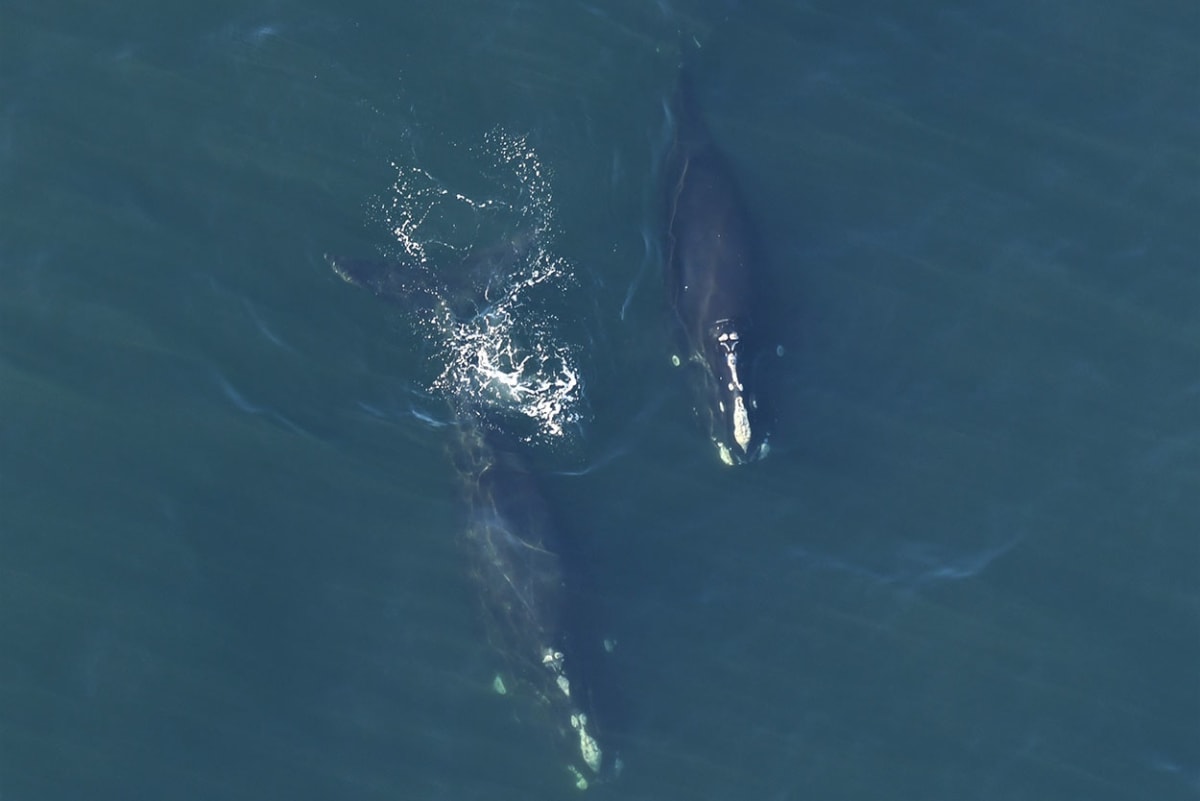
Dr. Laura Ganley from the New England Aquarium refused to accept that protecting North Atlantic right whales meant stopping wind energy development. Working with a team from Cornell University and federal researchers, she found a better way forward that works for both whales and developers.
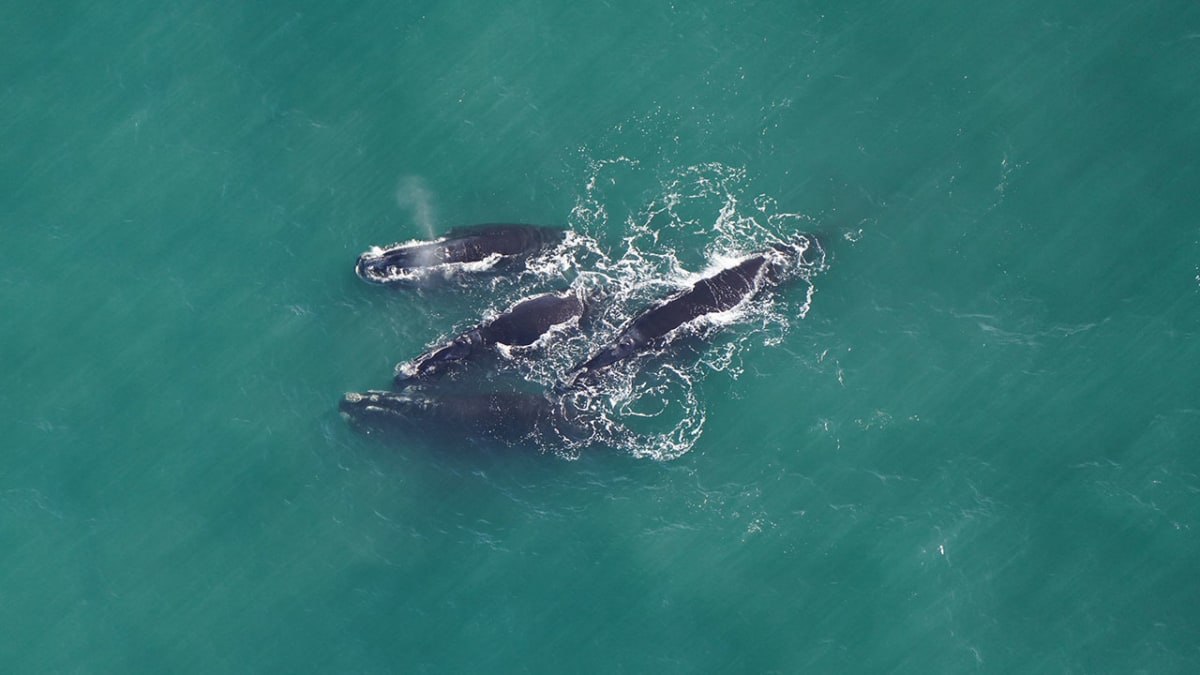
The answer came from over a decade of airplane surveys flying twice monthly above New England waters. These flights tracked where right whales swam throughout the year, revealing something important: the whales started spending summers in areas planned for wind farms, a change driven by shifting food sources as oceans warm.
Ganley's team turned this flight data into week by week predictions of whale locations. The analysis showed developers exactly when and where the most whales would be present during construction.
The research, published in Nature Climate Change, tested different protection strategies. Bubble curtains that dampen underwater noise from piledriving turbines into the ocean floor proved effective. Scheduling construction during weeks when fewer whales visit the area also made a big difference.
The best news? These protective measures add minimal costs to wind farm budgets while dramatically reducing the number of whales exposed to harmful construction noise.
The Ripple Effect
The team created a prototype app that wind developers can use right now to plan projects around whale presence. While U.S. wind energy policy remains uncertain, the framework works anywhere ocean industries and marine life overlap.
Commercial fishing operations could use the same approach to reduce whale entanglements in nets and gear. Other countries developing offshore wind can apply these methods to their waters.
The model isn't limited to right whales either. Researchers can adapt it to protect humpback whales and endangered fin whales that swim through New England during summer months.
Ganley sees this as proof that industry and conservation don't have to clash. The project took time and brought together many collaborators, but it delivered solutions that work for everyone.
The framework shows how careful planning based on solid data creates better outcomes than forcing a choice between clean energy and wildlife protection. Developers get their wind farms built on schedule, and one of the world's most endangered whale species gets crucial protection during a vulnerable time.
Sometimes the best solutions come from refusing to accept false choices.
More Images


Based on reporting by Google News - Wind Energy
This story was written by BrightWire based on verified news reports.
Spread the positivity!
Share this good news with someone who needs it