Pakistan Villages 'Marry Glaciers' to Fight Water Scarcity
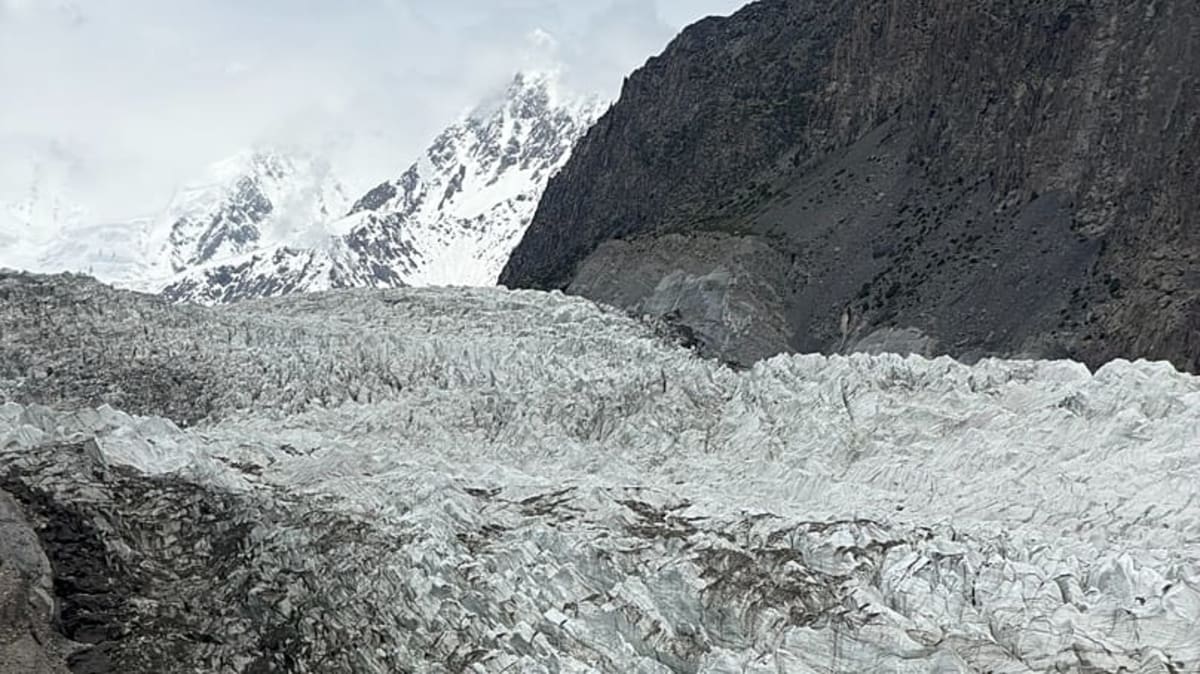
Communities in northern Pakistan are reviving an ancient practice called glacier grafting to create new water sources as climate change shrinks existing glaciers. The centuries-old technique involves collecting ice from "male" and "female" glaciers to birth new ones that will flow for generations.
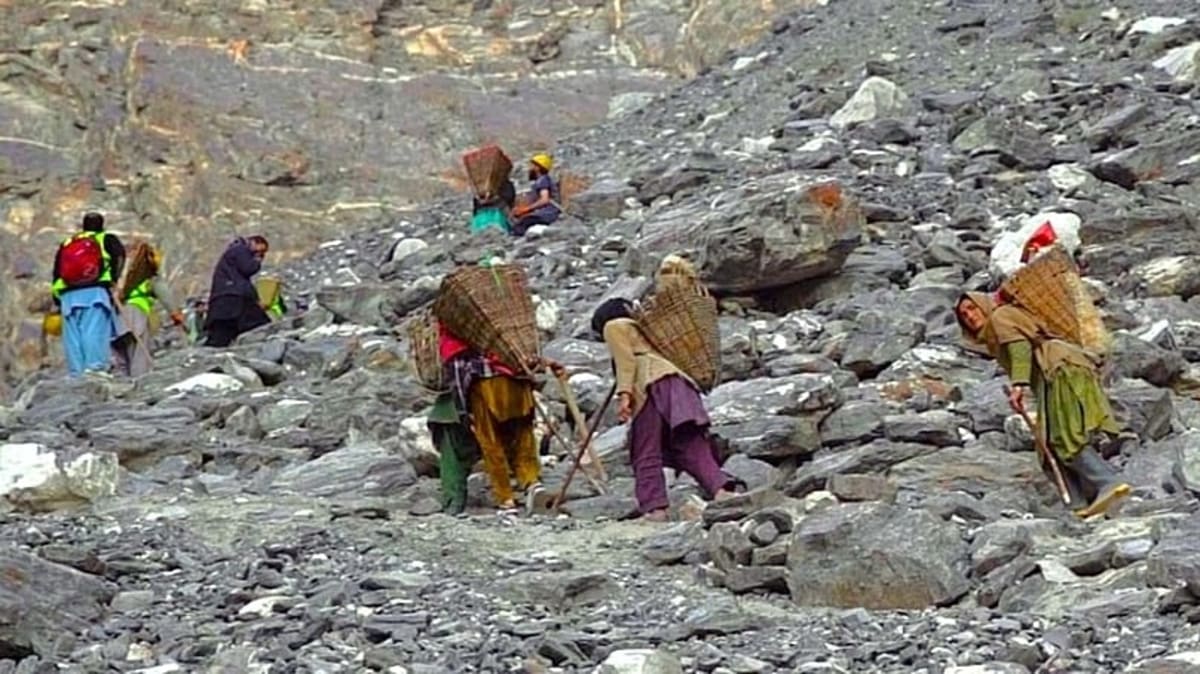
In the mountains of northern Pakistan, dozens of porters are carrying ice in wooden baskets on their backs, racing against time to plant a glacier before sunrise. They're practicing an ancient art that could help secure water for their grandchildren.
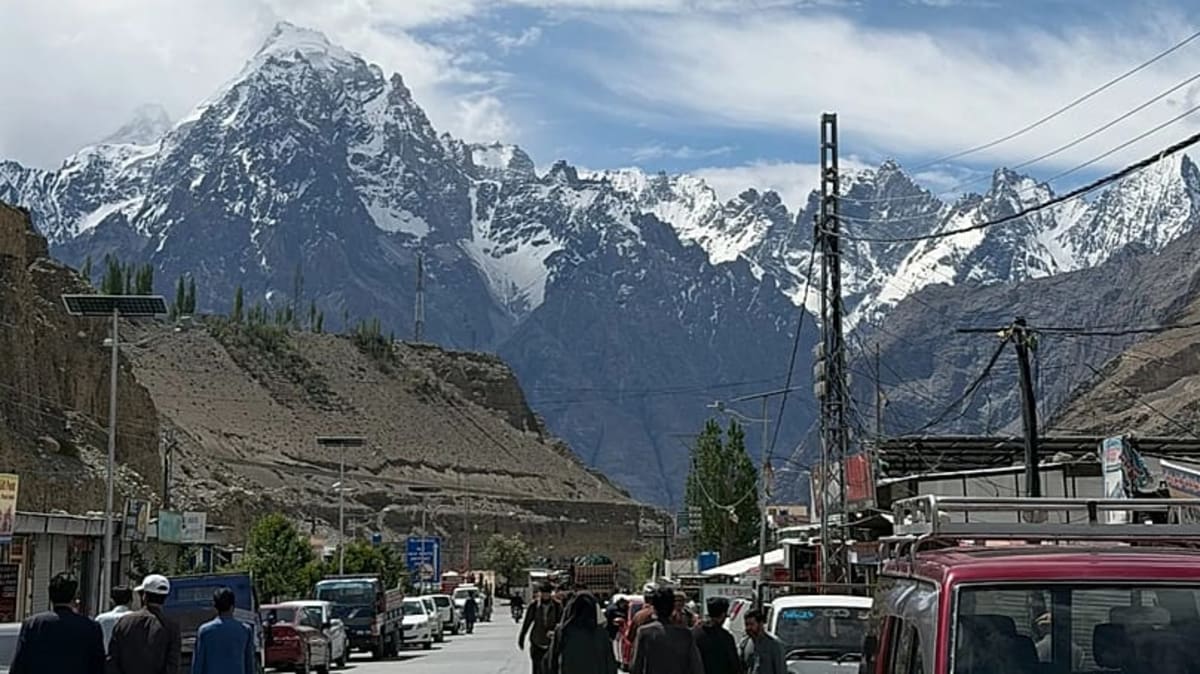
Communities in Gilgit-Baltistan are bringing back glacier grafting, a technique locals call Gang Khswa, or "glacier marriage." The practice creates artificial glaciers that provide reliable water sources for farming, livestock, and daily life in one of the world's most water-stressed regions.
The process reads like a carefully choreographed ceremony. Porters collect ice from two types of glaciers: "male" glaciers that contain grey debris and soil, and "female" glaciers that are clear and produce more water. They transport the ice to sites above 4,000 meters, where temperatures stay below freezing but snow hasn't yet fallen.
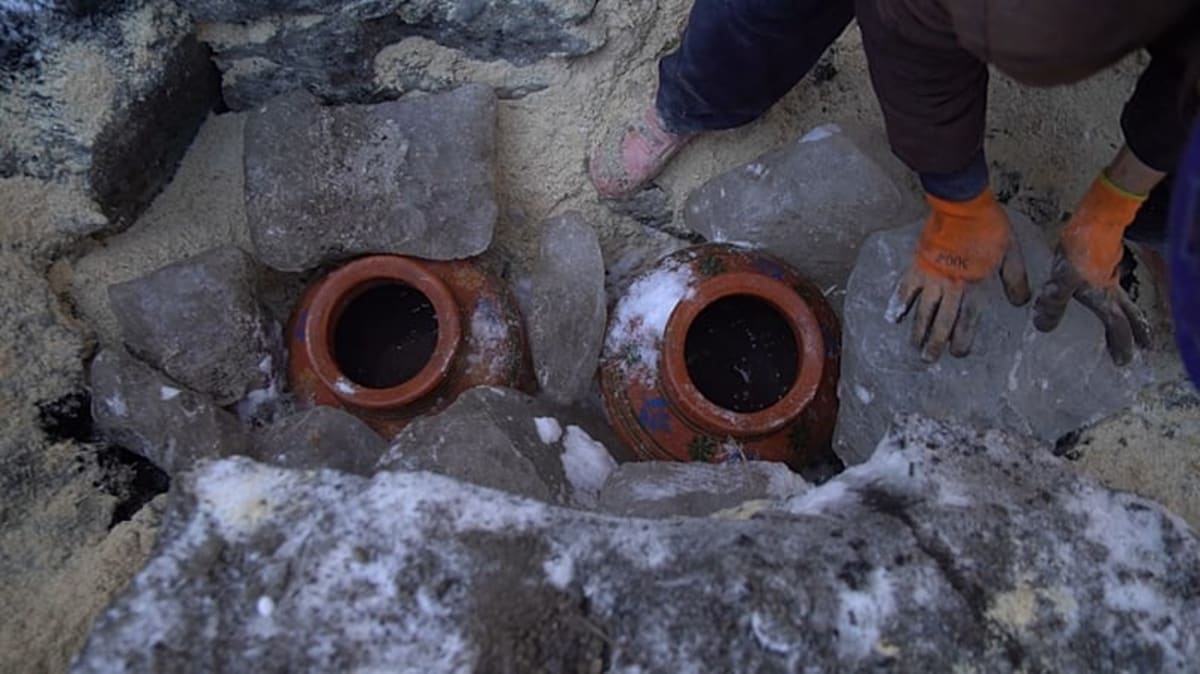
The ice pieces are placed in wells or caves, separated by clay pots filled with water from the Indus River. Layers of sawdust, charcoal, and apricot kernels insulate the ice. The entire marathon can take 48 hours, and the ice must keep moving the whole time, never touching the ground.
Timing is everything. Dr. Zakir Hussain Zakir from the University of Baltistan explains that sites are chosen in summer, but grafting happens in October when conditions are just right. The new glacier needs maximum wind exposure, minimum sunlight, and ideally a north-facing slope to survive.
Patience is equally important. After about ten years, if the grafting succeeds, the glacier starts producing water. Another decade later, it becomes a reliable source that can sustain communities for generations.
The technique dates back to the 14th century, when Persian Sufi saint Mir Syed Ali Hamadani reportedly created the first grafted glacier as a defense strategy. The practice disappeared for decades but was revived in the 1990s as water shortages intensified.
Today, the craft remains deeply spiritual. Communities recite Quranic verses, sing folk lullabies to the "baby" glacier, and perform traditional rituals. "The history of glacier grafting is largely oral, not written," says Nazir Ahmed, CEO of the Baltistan Culture & Development Foundation.
The practice has inspired other innovations too. Ice towers shaped like Buddhist stupas melt slower because they expose less surface area to sunlight. Avalanche harvesting uses mesh nets in narrow gorges to capture and store ice from avalanches, creating additional water reserves.
The Ripple Effect
As the Himalayas warm and glaciers shrink faster, these ancient techniques are becoming blueprints for climate adaptation worldwide. What started as one community's survival strategy is now drawing attention from water-stressed regions across Asia and beyond.
These new glaciers take two decades to mature, but they represent something more than water security. They're proof that traditional knowledge and modern climate science can work together to build hope in the face of environmental change.
More Images
Based on reporting by Euronews
This story was written by BrightWire based on verified news reports.
Spread the positivity!
Share this good news with someone who needs it