Panama Rewilding Could Restore Lost Ecosystem Magic
Scientists studying 17,000 years of Panama's ecological history found that bringing back large plant-eating animals could restore natural benefits lost when giant sloths and elephant relatives vanished. The research offers a roadmap for healing tropical forests.
Imagine a forest so healthy that wildfires rarely happen, where fruit trees thrive, and nature balances itself without human help. That world existed in Panama 17,000 years ago, and new research says we could bring it back.
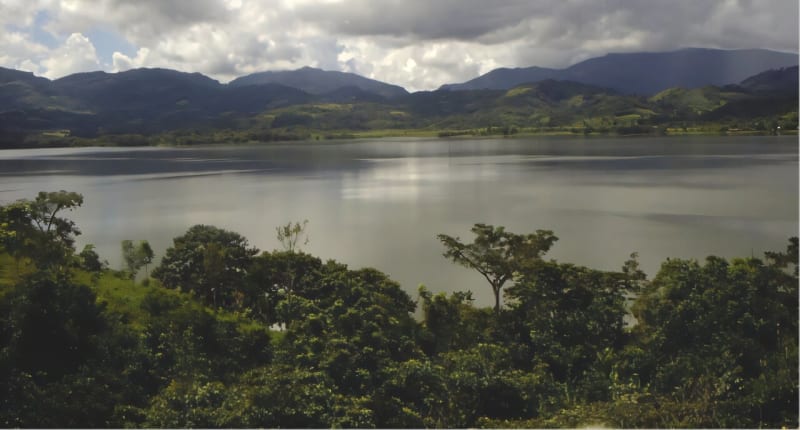
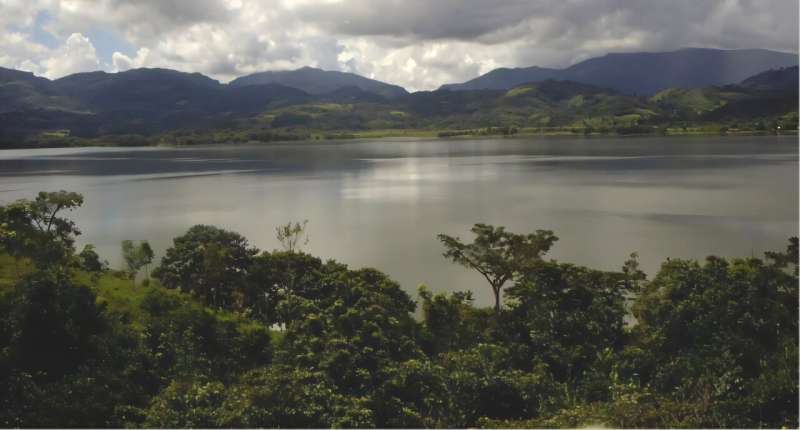
Scientists at the University of Exeter made a remarkable discovery by studying ancient lake sediments in Panama. They found traces of animals and plants dating back thousands of years, revealing how giant herbivores like six-meter-long ground sloths and elephant-like creatures called Cuvieronius shaped the landscape.
The team identified three major population crashes of these large plant eaters at 13,600, 10,000, and 8,400 years ago. Each time these megafauna declined, the entire ecosystem changed in measurable ways.
Lead researcher Felix Pym explains the impact was dramatic. When large herbivores thrived, wildfires happened less often because the animals ate and trampled plants that typically fuel fires. Plants with large fruits and seeds also flourished because these big animals spread them around.
The scientists used a clever detective method. Large herbivores eat fungal spores that pass through their digestive systems and grow in their dung. These spores eventually settle into lake sediments, creating a prehistoric record of animal populations alongside fossilized pollen and charcoal from fires.
The findings, published in Quaternary Science Reviews, show that losing megafauna triggered cascading effects throughout the ecosystem. But the research also revealed something hopeful: after each decline, recoveries happened as new communities of large herbivores moved into the region.
The Ripple Effect
This research matters far beyond Panama's borders. It shows that introducing or boosting populations of large herbivores today could restore natural processes that benefit everyone, from reducing wildfire risk to supporting plant diversity.
Rewilding projects in Europe and North America have already started using similar approaches, introducing species that can fill the ecological roles of extinct animals. The Panama study provides a scientific baseline for these efforts in tropical regions.
Professor Stephen Sitch from Exeter's Global Systems Institute says exploring the past helps us understand modern ecosystems and guides conservation efforts. The research reveals interactions between animals, fire, vegetation, and climate that we can apply to restoration projects today.
The scientists emphasize that selecting species for rewilding requires careful planning and research. But their work proves that restoring lost ecosystem functions isn't just possible; nature has done it before on its own.
This discovery offers hope that we can heal damaged ecosystems by working with nature's own blueprint for balance.
More Images



Based on reporting by Phys.org
This story was written by BrightWire based on verified news reports.
Spread the positivity!
Share this good news with someone who needs it