How One Wallaby's Extinction Saved Its Closest Cousin
The Toolache wallaby went extinct in 1939, hunted for its beauty and speed. But its loss taught conservationists exactly how to save its closest relative from the same fate.
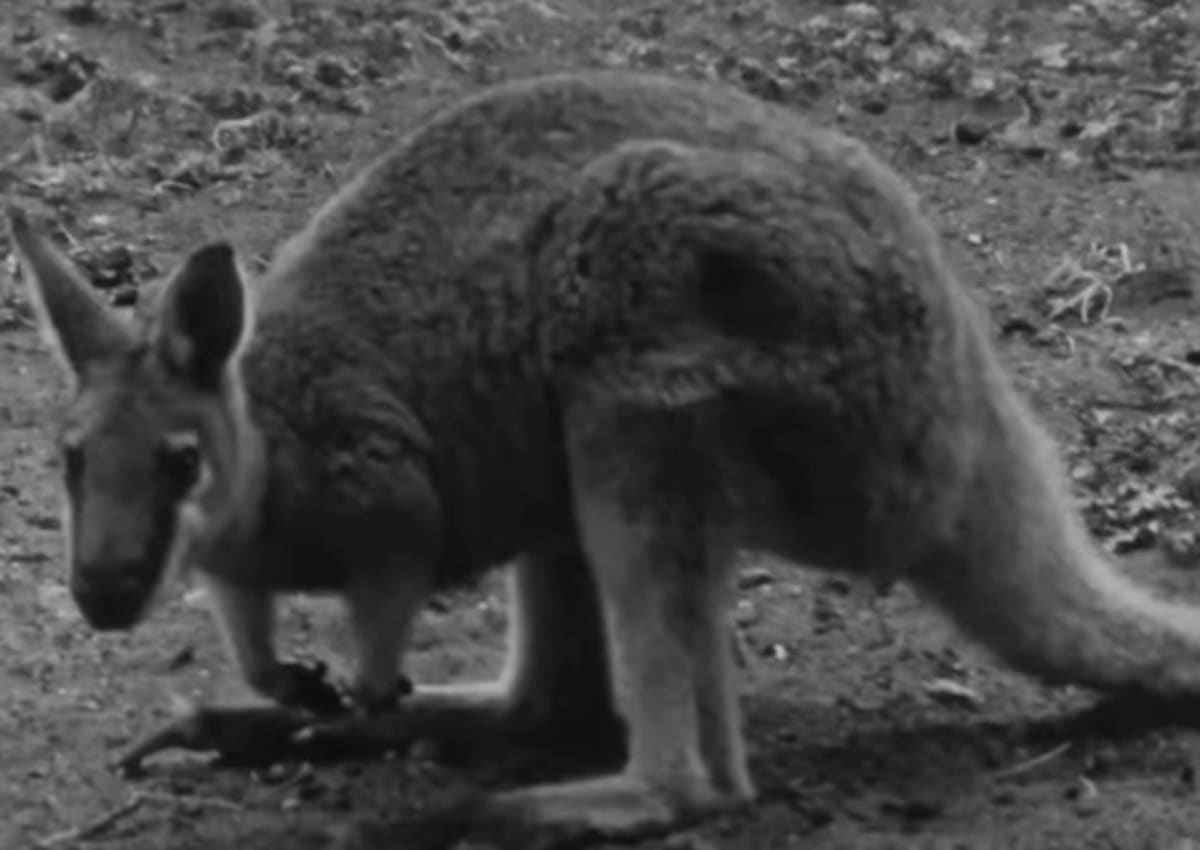
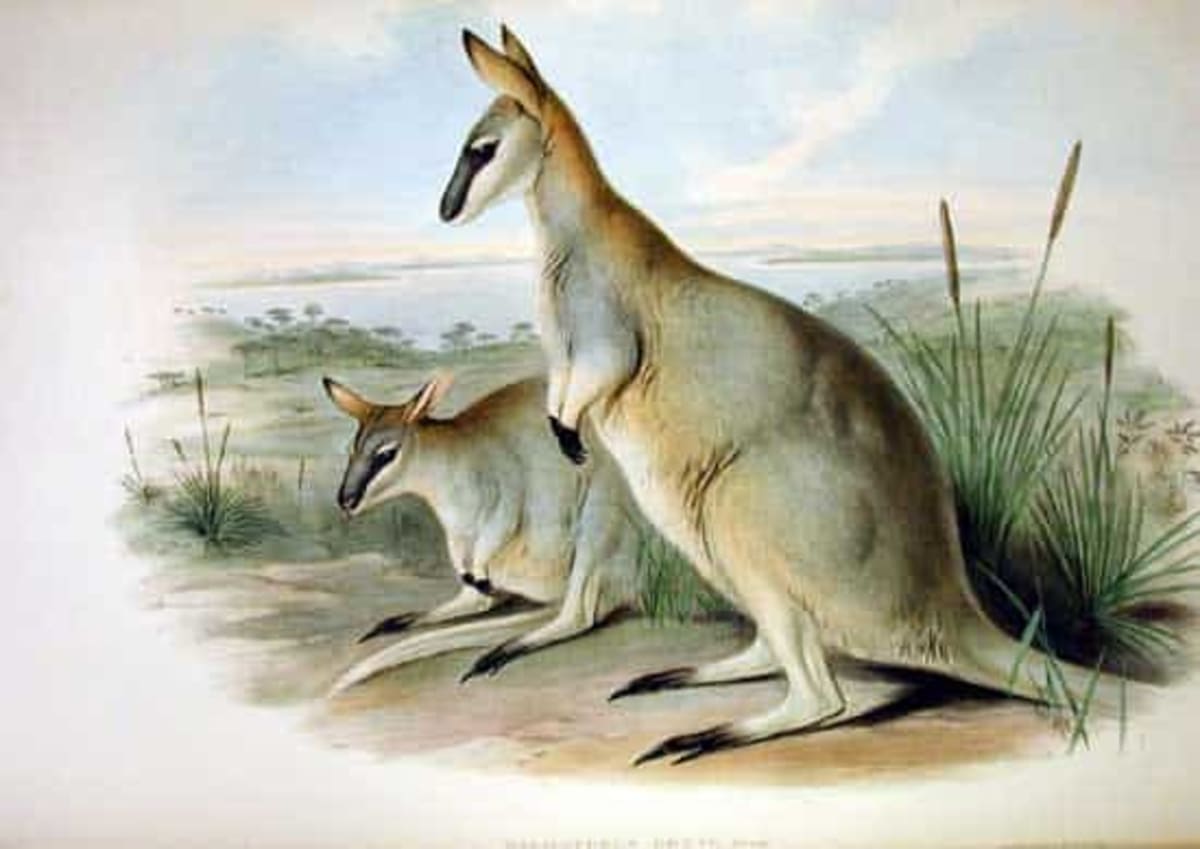
The fastest wallaby in the world could outrun horses and hunting dogs across the Australian outback. Just 93 years after Europeans discovered it in 1846, the Toolache wallaby was gone forever.
The Toolache wallaby's downfall began not with hunting, but with habitat loss. As European settlers drained swamplands and cleared grasslands in the 1800s, these elegant creatures lost their homes long before they became prized hunting trophies.
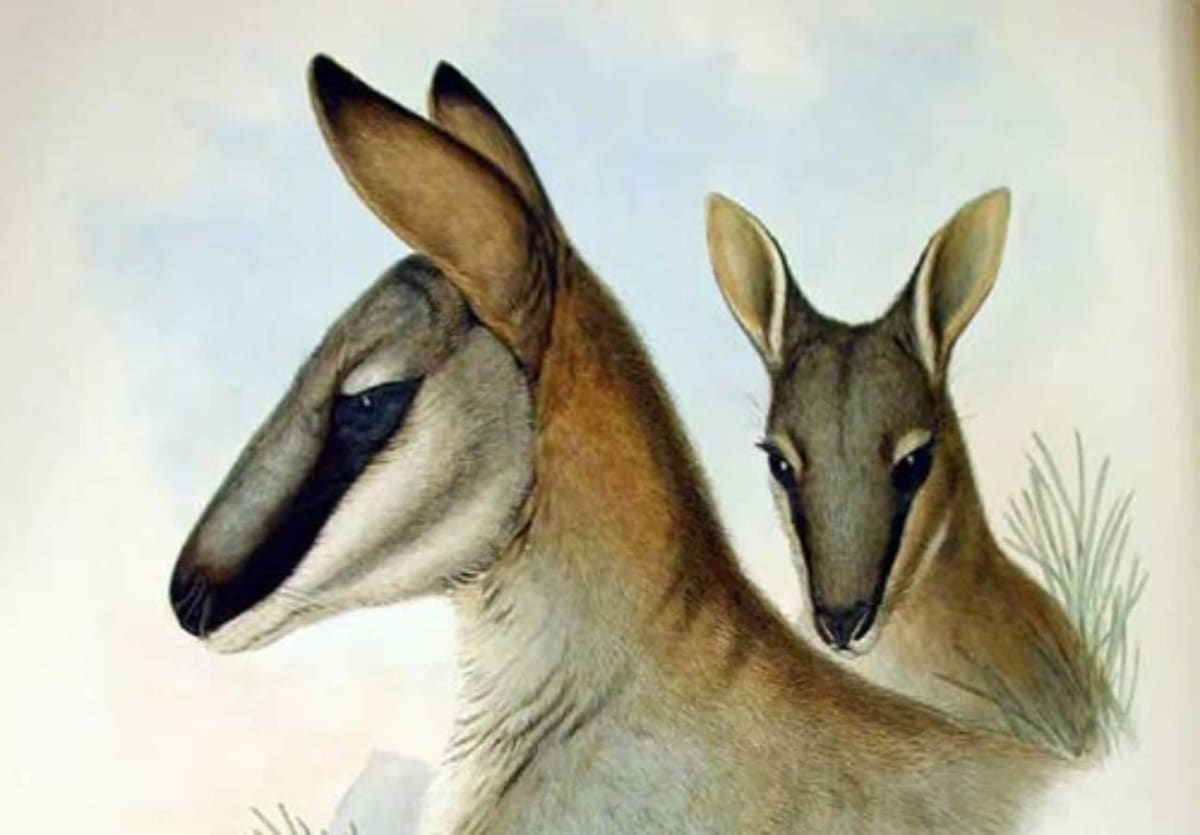
Their pale brown pelts with distinctive black markings made them irresistible to hunters. Their incredible speed made them an exhilarating challenge. But even their legendary ability to outpace horseback riders couldn't save them from shrinking habitats and introduced fox predators.
By 1939, the last Toolache wallaby died in captivity after a failed breeding program. The species vanished less than a century after scientists first described it.
The Bright Side
The Toolache wallaby's extinction became Australia's wake-up call. When conservationists noticed its closest relative, the western brush wallaby, heading down the same path, they finally took action.
In 1951, just twelve years after the Toolache disappeared, Australia launched targeted fox control programs specifically to protect the western brush wallaby. The species had suffered identical threats: habitat loss, habitat fragmentation, and predation by introduced red foxes.
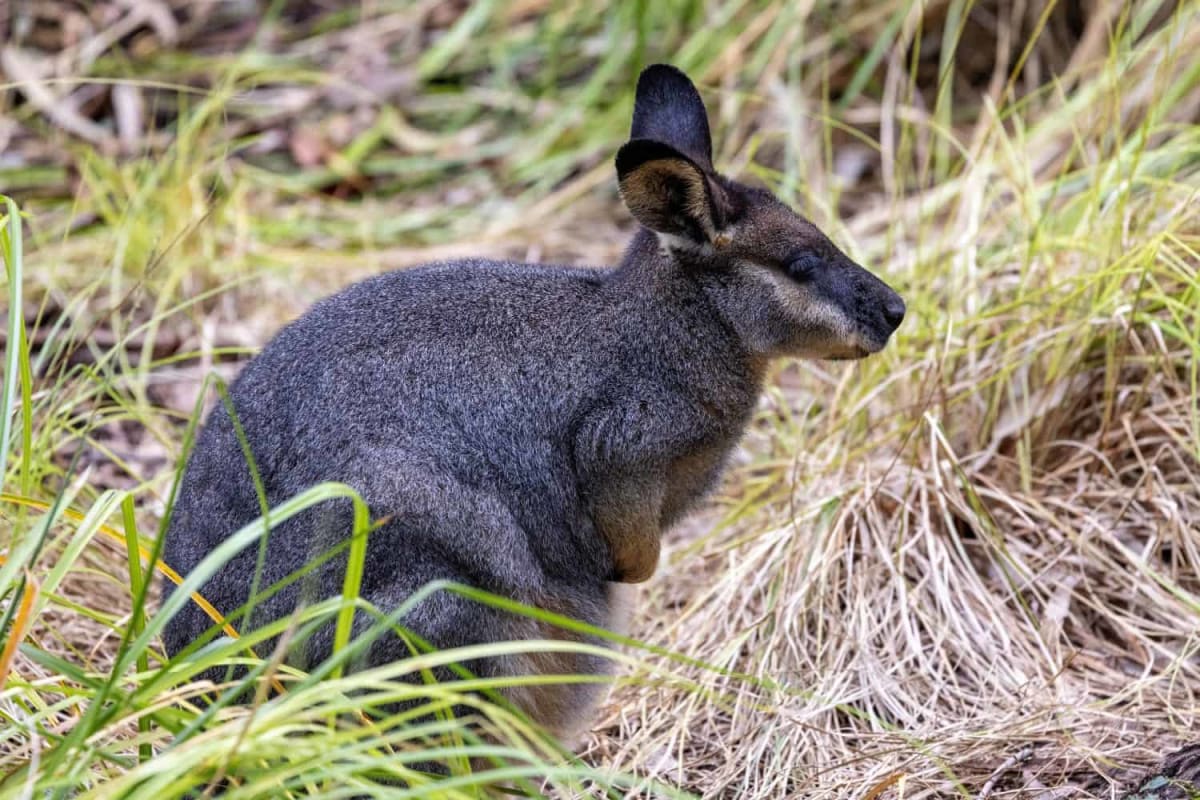
This time, intervention came early enough. The western brush wallaby populations stabilized and continue to survive today across southwestern Australia.
The timing matters. If conservationists had acted just twelve years earlier with the same fox control measures, the Toolache wallaby might still be racing across the outback today.
Scientists studying both species now understand that habitat preservation alone isn't enough when dealing with introduced predators. The western brush wallaby exists today because people learned from their mistakes and acted before it was too late.
The lesson is clear: every extinction teaches us how to prevent the next one, and sometimes those lessons arrive just in time.
More Images
Based on reporting by Google: species saved endangered
This story was written by BrightWire based on verified news reports.
Spread the positivity!
Share this good news with someone who needs it