Panama Trains Fishers to Save Sharks Caught by Accident
Marine biologists are riding along on Panama's fishing boats to teach crews how to free sharks and rays caught accidentally in their nets. In just five years, they've rescued and tagged over 400 marine animals while building trust with fishers.
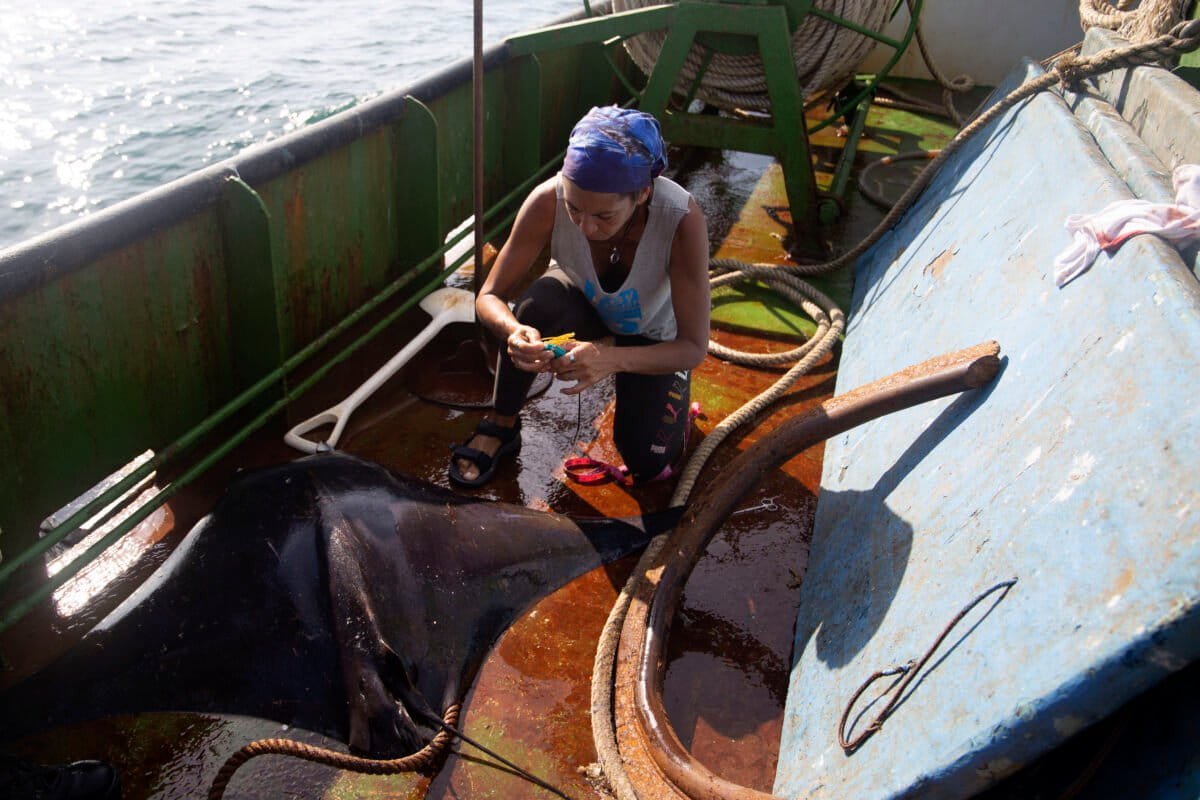
When marine biologist Yehudi Rodríguez spotted the massive black devil ray tangled in the fishing net, she knew exactly what to do. Together with the crew of the Tabor fishing boat, she carefully freed the 220-pound creature and watched it disappear back into Panama Bay.
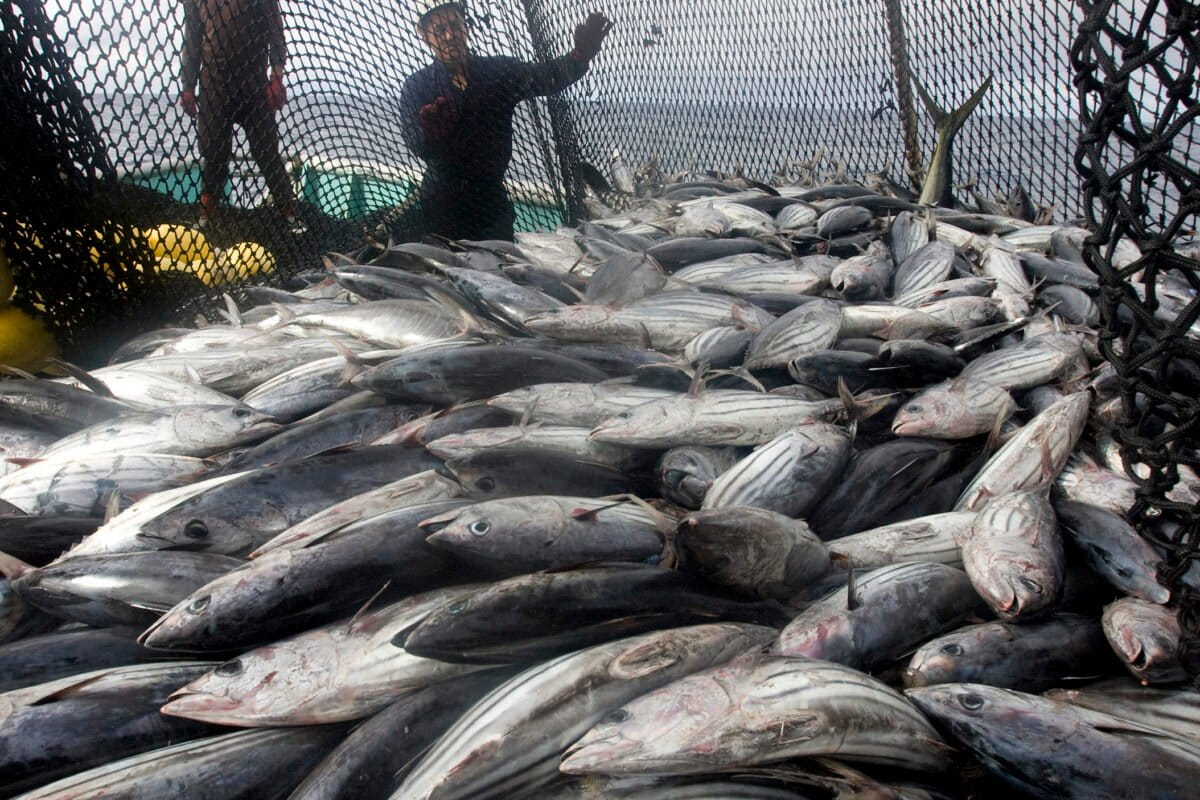
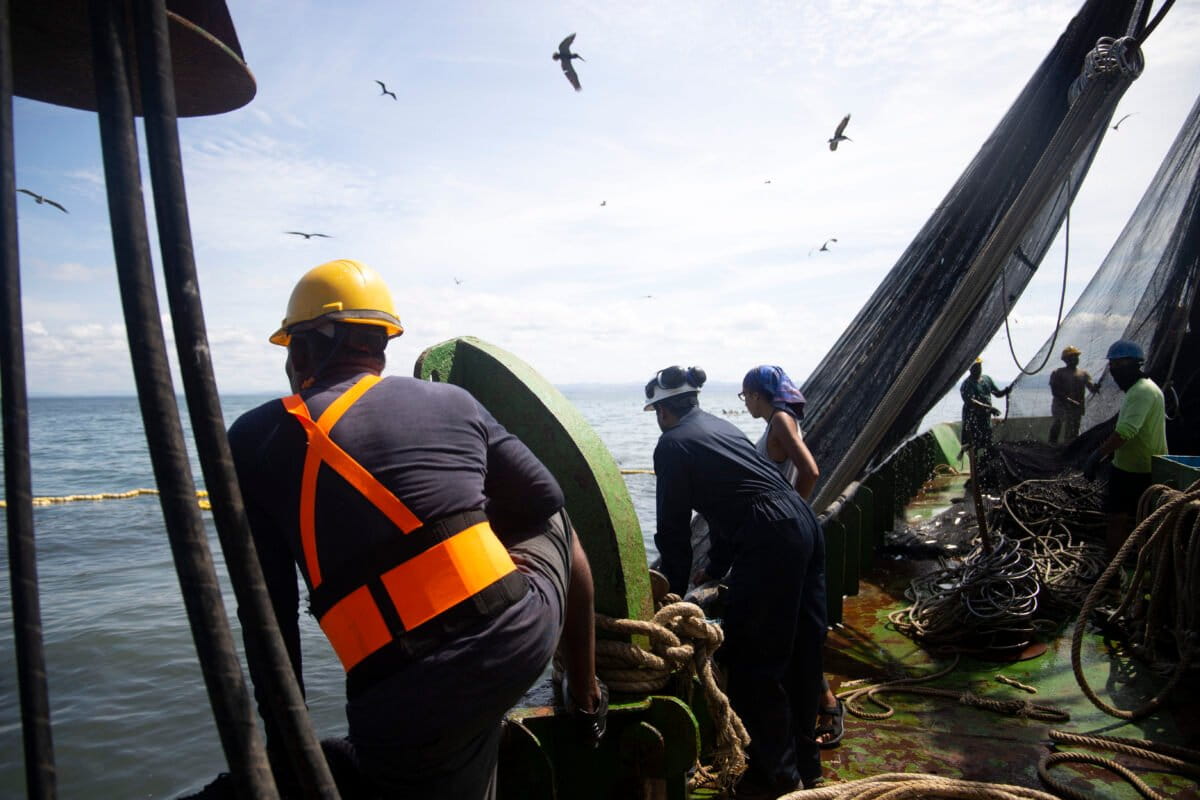
This rescue wasn't a one-time event. Every two weeks, Rodríguez boards industrial fishing vessels in Panama to help sailors free sharks, rays, dolphins, and other marine animals accidentally caught in their nets.
The work is deeply personal for Rodríguez, who decided to dedicate her life to sharks at age 6 after hearing her freediving father's ocean stories. Now 49, she leads the nonprofit Shark Defenders and teaches biology at the University of Panama.
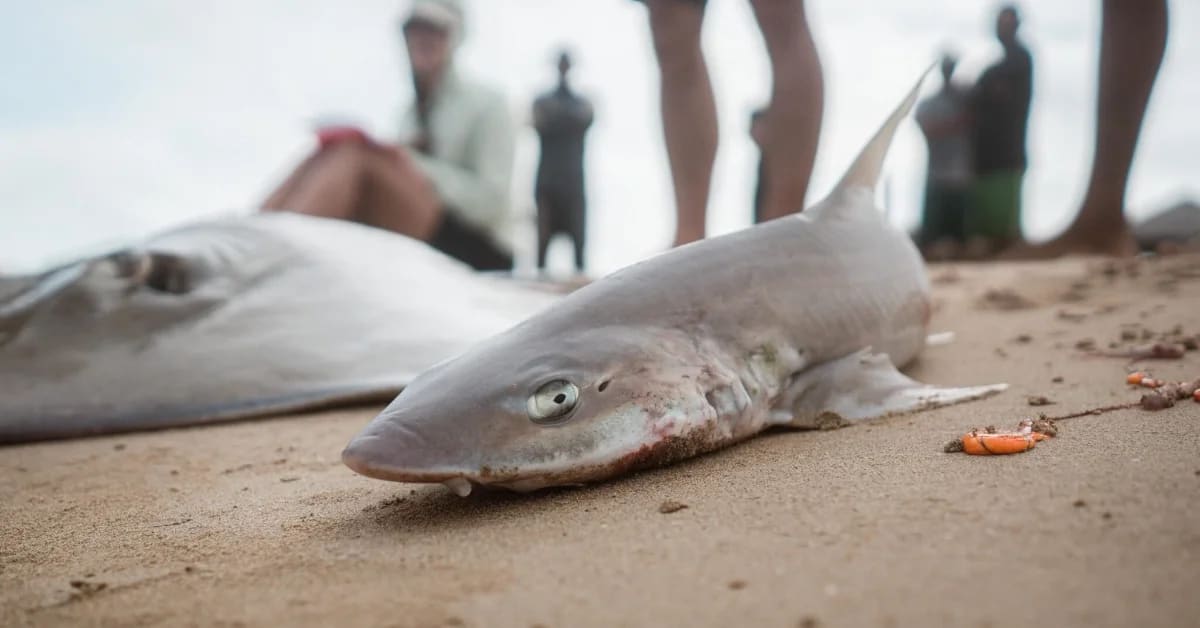
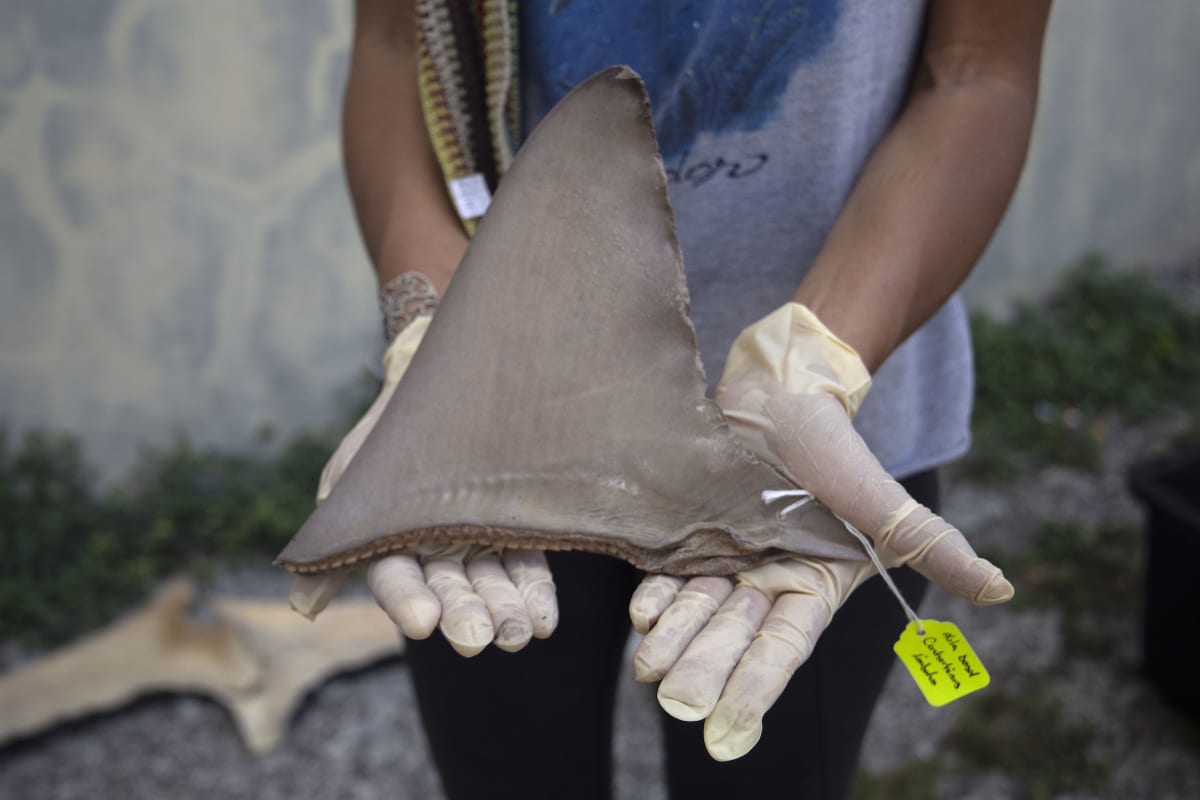
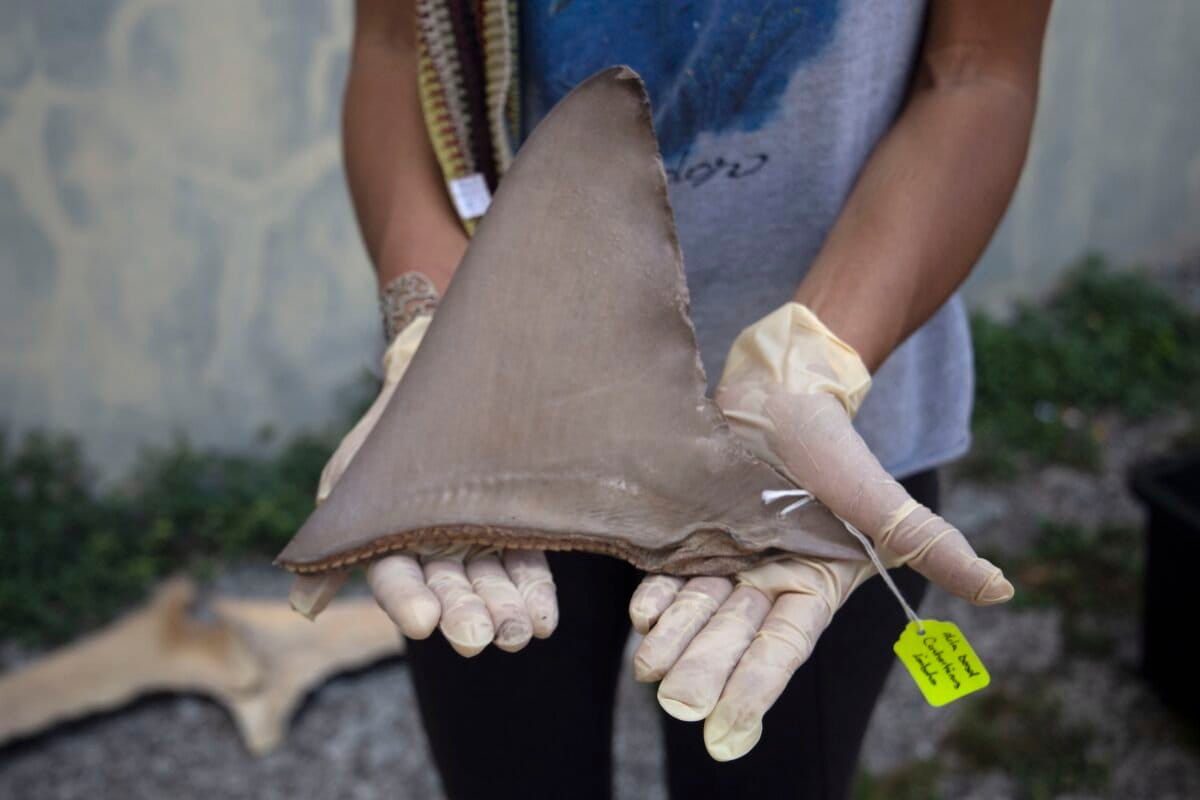
Over five years, her team has tagged nearly 407 sharks and rays pulled from nets. Before each release, she records the location, identifies the species, takes measurements and tissue samples, then carefully tags the animal. If a creature is in immediate danger, she releases it first and asks questions later.
The crews have embraced the mission. Sailors now send Rodríguez videos of rescues they perform when she's not on board, freeing everything from dolphins to crocodiles. The youngest crew member, 18-year-old Hermes, has learned to avoid venomous barbs while helping guide rays back to freedom.
Panama's fishing industry exported $272.9 million worth of seafood in 2024, making conservation efforts economically important too. The Promarina fishing company maintains its bycatch rate at just 1.2 percent, well below the 5 percent required for international sustainability certification.
The Ripple Effect
What started as one biologist on one boat has grown into a national movement. Many industrial fishing vessels now carry biologists who train crews and collect vital research data about Panama's marine populations.
Rodríguez has trained 15 marine biology students to continue the work. Other conservation groups and Panama's Aquatic Resources Authority have launched similar programs, spreading the knowledge across the country's fishing fleet.
Captain Luis Alcides Ortega, who has sailed these waters since 1985, remembers when hammerhead sharks filled the ocean around his boat. He says bycatch remains challenging, but the training helps crews understand why every release matters.
A new conservation bill currently under discussion in Panama's legislature could strengthen protections even further. Rodríguez says the country urgently needs more scientific data on breeding sites and population numbers to make the biggest difference.
For now, she focuses on what she can control: one boat, one crew, one rescued animal at a time.
More Images

Based on reporting by Mongabay
This story was written by BrightWire based on verified news reports.
Spread the positivity!
Share this good news with someone who needs it