Papua New Guinea Creates UK-Sized Ocean Sanctuary
Papua New Guinea just announced protection for 82,600 square miles of the Bismarck Sea, creating Melanesia's largest no-take marine sanctuary. Scientists tracked sharks to design boundaries that will actually boost fishing nearby.
Papua New Guinea is protecting an area of ocean nearly the size of the United Kingdom, and the decision came from following sharks through underwater highways.
The Western Manus Marine Protected Area covers 214,000 square kilometers of the Bismarck Sea, where all fishing and extractive activity will be banned. Announced in May, it will become the largest no-take sanctuary in Melanesia.
What makes this unusual is that the protected zone includes prime fishing territory: 6.7 percent of PNG's industrial fishing grounds and 10 percent of its tuna fishing area. But scientists say protecting these waters will actually make surrounding fisheries more productive, not less.
The magic happens through something called spillover. When a no-take zone fills with marine life, fish and larvae naturally move outward into adjacent waters where fishing is still allowed. Research across the Pacific and Indian Oceans shows tuna catch rates increase by 12 to 18 percent near marine protected area boundaries.
Scientists designed the sanctuary's borders by tracking endangered gray reef sharks as they moved between shallow reefs and deep-sea habitats hunting for food. The sharks revealed an underwater "marine highway" of mountains, ridges and canyons that channels nutrient-rich water from the depths to the surface.
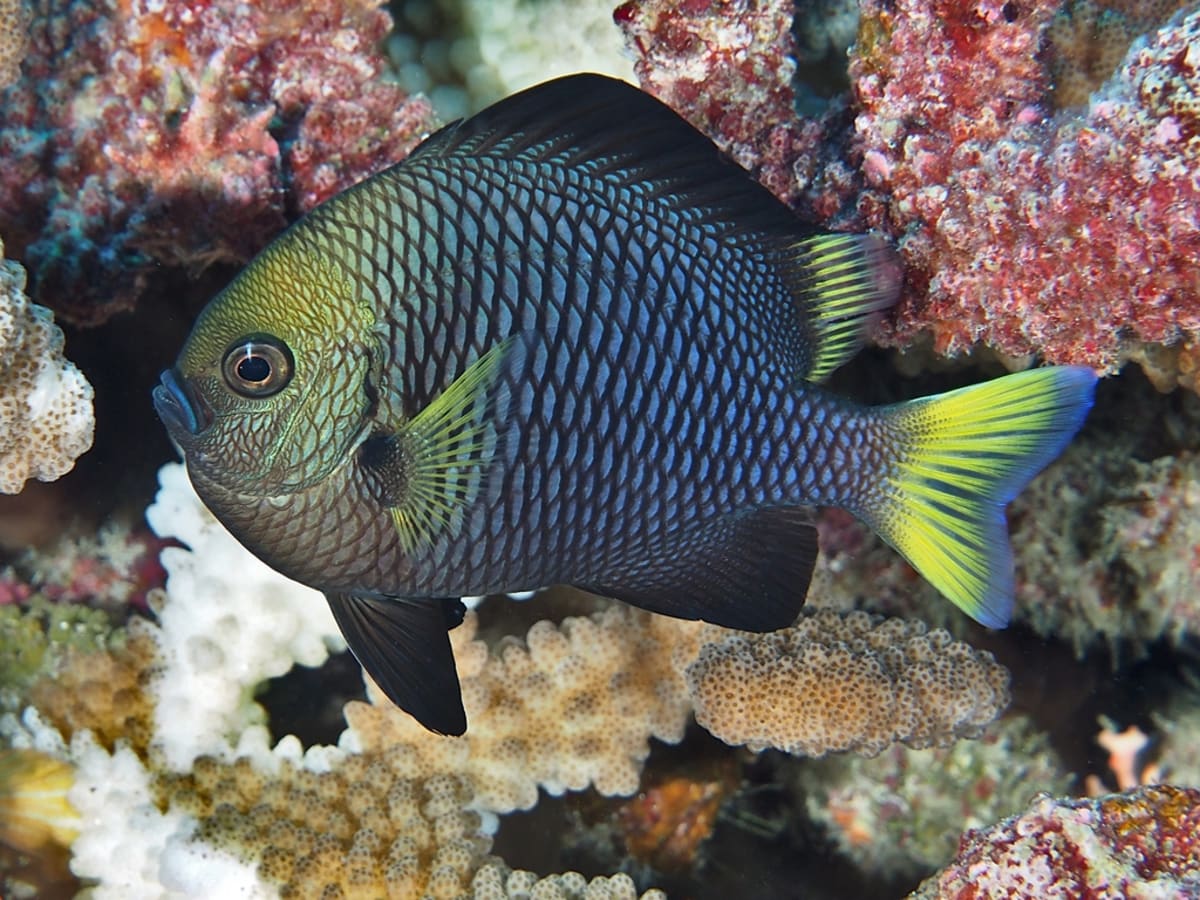
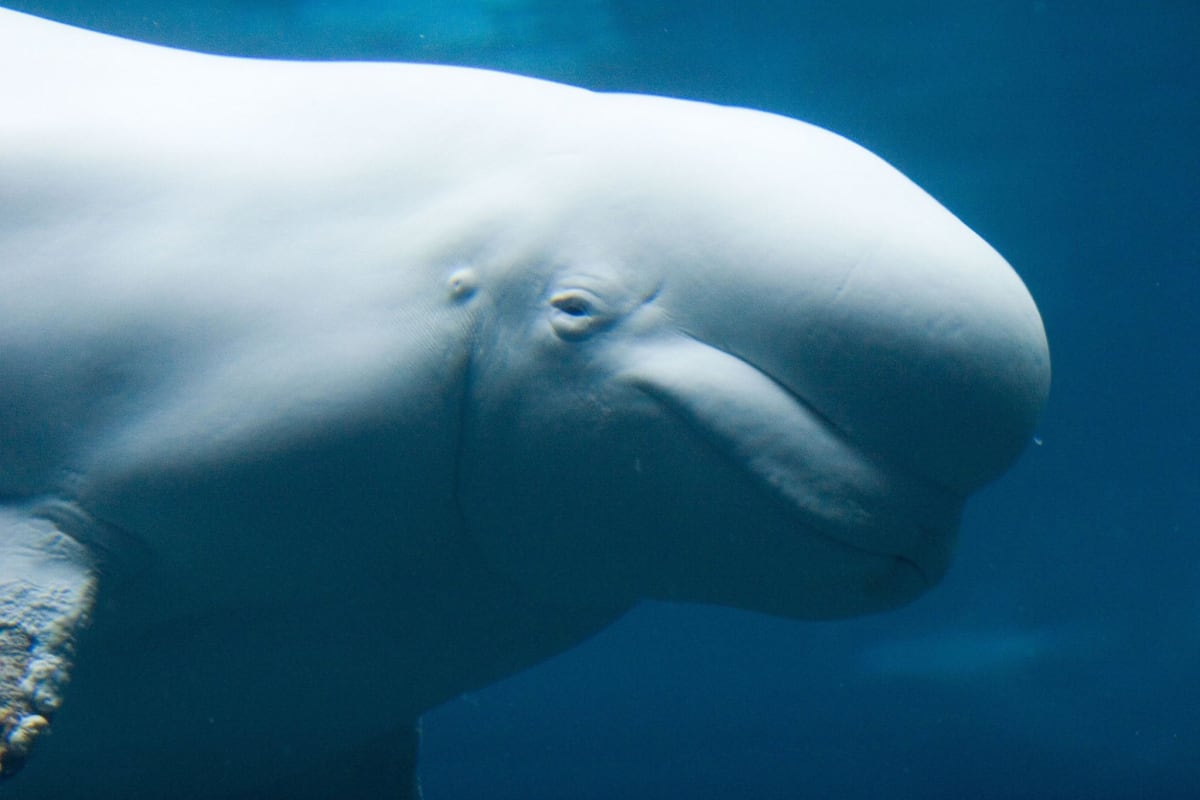
These same geological features concentrate not just sharks but dolphins, pilot whales, killer whales, hammerheads and seabirds that forage up to 230 miles from their nests. The boundaries were drawn to protect the full range of these movements.
A three-month expedition in 2024 surveyed the area to establish a baseline. Researchers found coral reefs ranking among the healthiest in the Pacific, with schools of wahoo and rainbow runners. Shark numbers were low, though, a clear sign of overfishing pressure.
Deep-sea surveys documented species never before recorded in PNG, including the yokozuna slickhead found at extreme depths. Scientists logged more than 700 reef fish species and over 300 hard coral species.
The Ripple Effect
The announcement came during the first Melanesian Ocean Summit in Port Moresby, where more than 500 delegates from five Pacific nations gathered. These countries are emerging as regional leaders in the global campaign to protect 30 percent of the world's oceans by 2030.
The Western Manus sanctuary will account for nine percent of PNG's exclusive economic zone and anchor the Melanesian Ocean Corridor of Reserves, a network of protected areas spanning the region. PNG sits within the Coral Triangle, recognized as the global center of marine biodiversity where the Pacific and Indian Oceans meet.
PNG's government will now begin the legal designation process to make the sanctuary official.
A highly connected system of shallow reefs, deep-sea habitats and open ocean waters is getting the protection it needs at exactly the right time.
More Images


Based on reporting by Optimist Daily
This story was written by BrightWire based on verified news reports.
Spread the positivity!
Share this good news with someone who needs it