Paralyzed Pigs Walk Again After Spinal Cord Treatment
Scientists helped pigs with completely severed spinal cords walk again using a groundbreaking therapy that reconnects damaged nerves. The breakthrough could offer new hope for the 15 million people worldwide living with spinal cord injuries.
Imagine watching a pig with a completely severed spinal cord stand up and walk again. That's exactly what happened in a Russian laboratory, and it could change everything we know about paralysis.
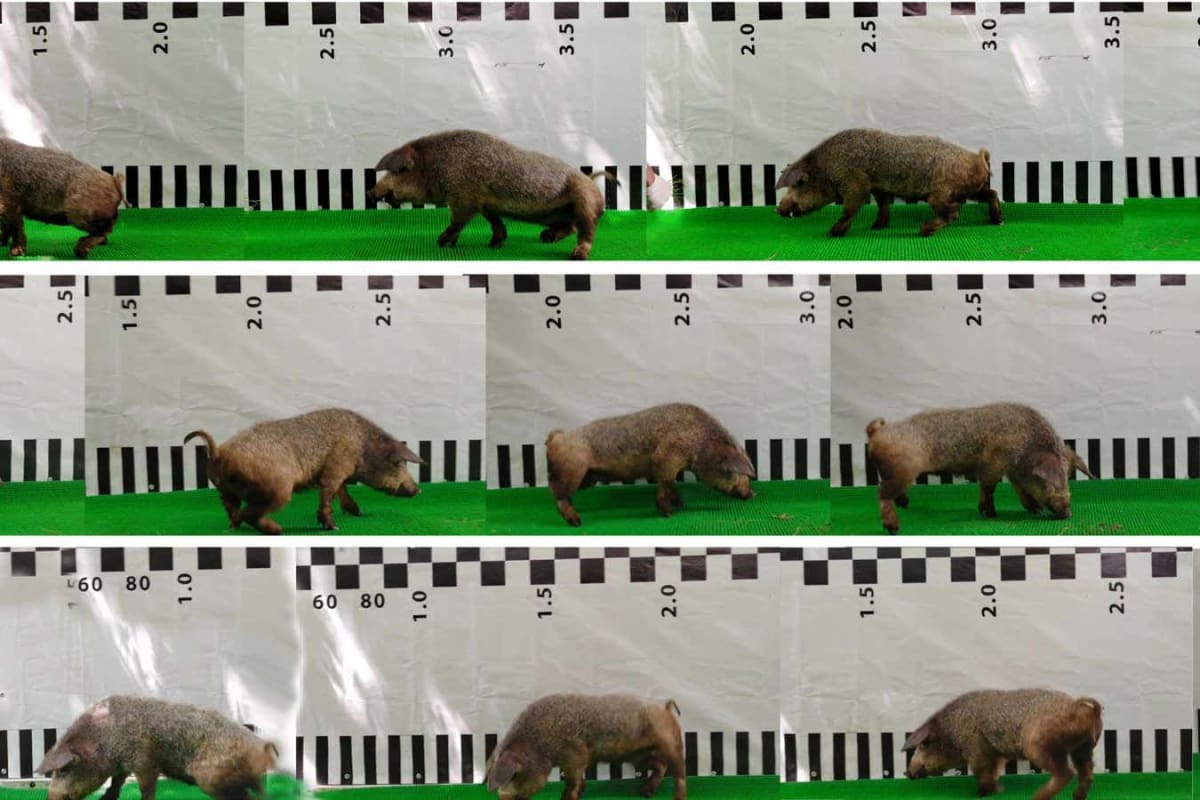
Scientists at the Sklifosovsky Institute for Emergency Medicine in Russia achieved something remarkable. They used a therapy called "fusogenic" treatment to help pigs with severed spinal cords regain the ability to walk.
The treatment works by reconnecting damaged nerve cells in the spinal cord. While the exact details of the fusion process are complex, the results speak for themselves: animals that couldn't move their legs were walking again.
Dr. Michael Lebenstein-Gumovski led the research team. Their findings were recently published, catching the attention of medical researchers around the world.
This breakthrough matters because spinal cord injuries affect more than 15 million people globally. Until now, treatment options have been extremely limited, and complete severing of the spinal cord has generally meant permanent paralysis below the injury site.
Russia is planning to add spinal cord tissue to its list of transplantable tissues this year. This regulatory change could open new doors for developing treatments based on this research.
The Bright Side
The timing of this discovery couldn't be better. Millions of people living with spinal cord injuries have been waiting for meaningful progress in treatment options.
What makes this especially promising is that the researchers achieved success with completely severed spinal cords. Previous studies often focused on partial injuries, which are easier to treat but less common in severe accidents.
The research builds on decades of work trying to understand how to repair the central nervous system. For years, scientists believed damaged spinal cord tissue couldn't regenerate, but newer approaches like fusogenic therapy are challenging that assumption.
While human trials haven't started yet, the success in pigs is significant. Pigs have similar spinal anatomy to humans, making them valuable models for this type of research.
The next steps will involve refining the technique and ensuring it's safe for human use. That process takes time, but this breakthrough proves the concept works in mammals similar to us.
For people living with paralysis and their families, this research represents something they haven't had in abundance: genuine hope for recovery.
Based on reporting by New Scientist
This story was written by BrightWire based on verified news reports.
Spread the positivity!
Share this good news with someone who needs it