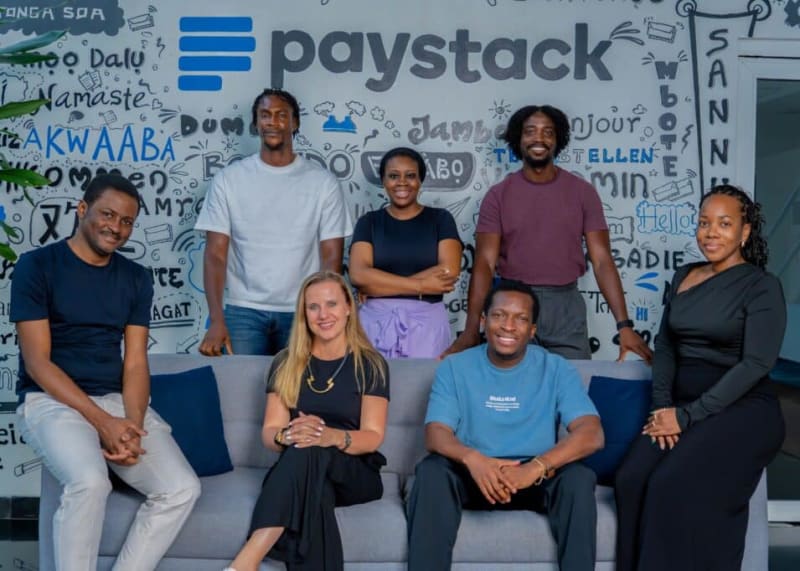
Paystack Turns Profitable, Launches AI-Focused Holding Company
Ten years after its founding, African payments giant Paystack has achieved profitability and launched a new holding company to expand into banking, consumer finance, and AI products. The move signals a major shift for the fintech leader, which has grown payment volume twelvefold since Stripe acquired it in 2020.
African fintech success story Paystack just hit a milestone that many startups only dream about: profitability at age 10.
The Nigeria-based payments company announced it's launching The Stack Group, a new holding company that will oversee Paystack's expansion beyond processing payments into banking, consumer finance, and artificial intelligence. Founder and CEO Shola Akinlade says the shift reflects how much opportunity exists to help African businesses grow.
The numbers tell an impressive story. Since Stripe bought Paystack for $200 million in 2020, the company's payment volume has grown more than twelvefold. Today, Paystack operates in five African countries (Côte d'Ivoire, Ghana, Kenya, Nigeria, and South Africa) with Egypt and Rwanda coming soon, covering markets that represent nearly half of Africa's total economic output.
The new structure brings together four businesses under one roof. Paystack continues handling payments, while Paystack Microfinance Bank (created from a recent acquisition) serves over 300,000 Nigerian merchants with banking and credit services. A consumer payments app called Zap rounds out the financial side, and TSG Labs will focus on building AI-powered products.
That last piece matters because it lets Paystack experiment with cutting-edge technology without creating regulatory headaches for its banking operations. The venture studio can move fast and test new ideas while the financial businesses stay compliant with strict banking rules.
The Ripple Effect
This expansion could reshape how African businesses access financial tools. By running its own microfinance bank instead of relying on partner institutions, Paystack can build and launch new products faster. That means merchants waiting for loans, better payment options, or new financial services could see solutions arrive months or even years sooner than before.
The timing also matters for Africa's tech ecosystem. While many global tech companies pulled back from African markets over the past few years, Paystack is doubling down with a profitable foundation to build on. Stripe's continued investment as a founding shareholder signals ongoing confidence in African innovation.
For the 300,000 businesses already using Paystack, this evolution from payments processor to full technology group means access to a wider range of tools, all designed specifically for African market conditions.
Akinlade put it simply: "There are significant opportunities to support businesses beyond payments, and TSG enables us to address the challenges African companies face over the next decade." After proving payments could work profitably across Africa, Paystack is betting it can do the same for banking and AI.
Based on reporting by Techpoint Africa
This story was written by BrightWire based on verified news reports.
Spread the positivity!
Share this good news with someone who needs it
-1789091131617.jpg)

%2Ffile%2Fattachments%2Forphans%2FBMAfricaairlines_291454.jpg)