Penn Medicine Tests Cancer Treatment in Under One Second
Doctors at Penn Medicine are testing a revolutionary cancer treatment that zaps tumors in less than a second instead of months. The FLASH proton therapy could transform how we fight cancer with fewer side effects and faster recovery.
Imagine defeating cancer in less time than it takes to blink.
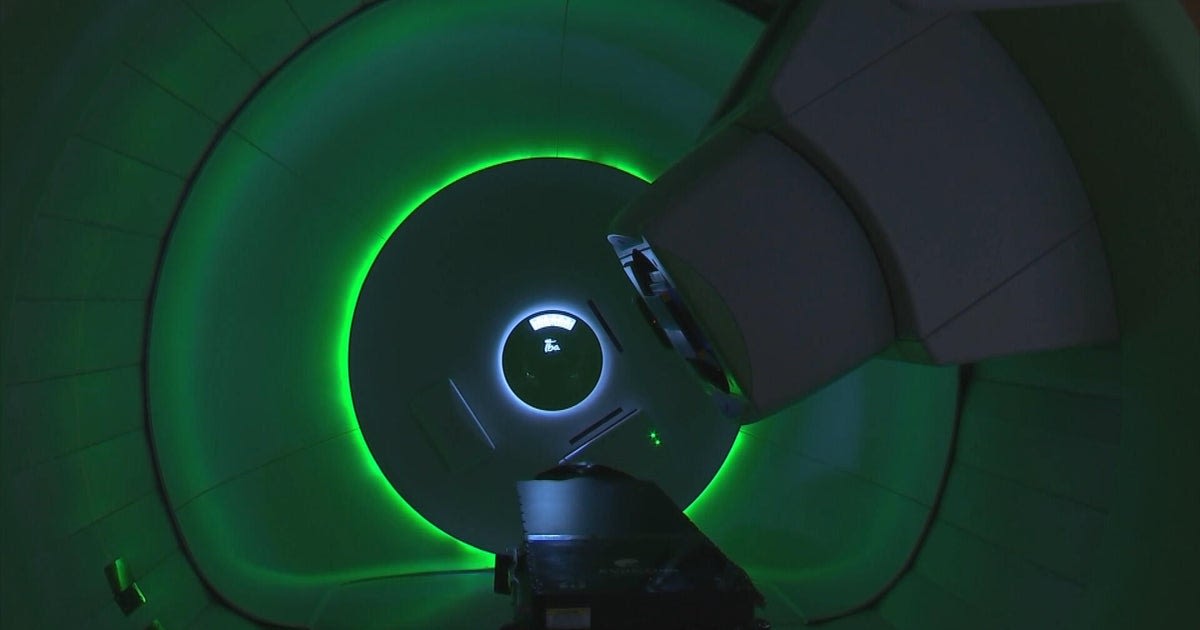
Doctors at Penn Medicine are now testing FLASH proton therapy, a groundbreaking treatment that delivers radiation to tumors in under one second. Traditional radiation therapy can take months and leave patients exhausted and struggling with side effects.
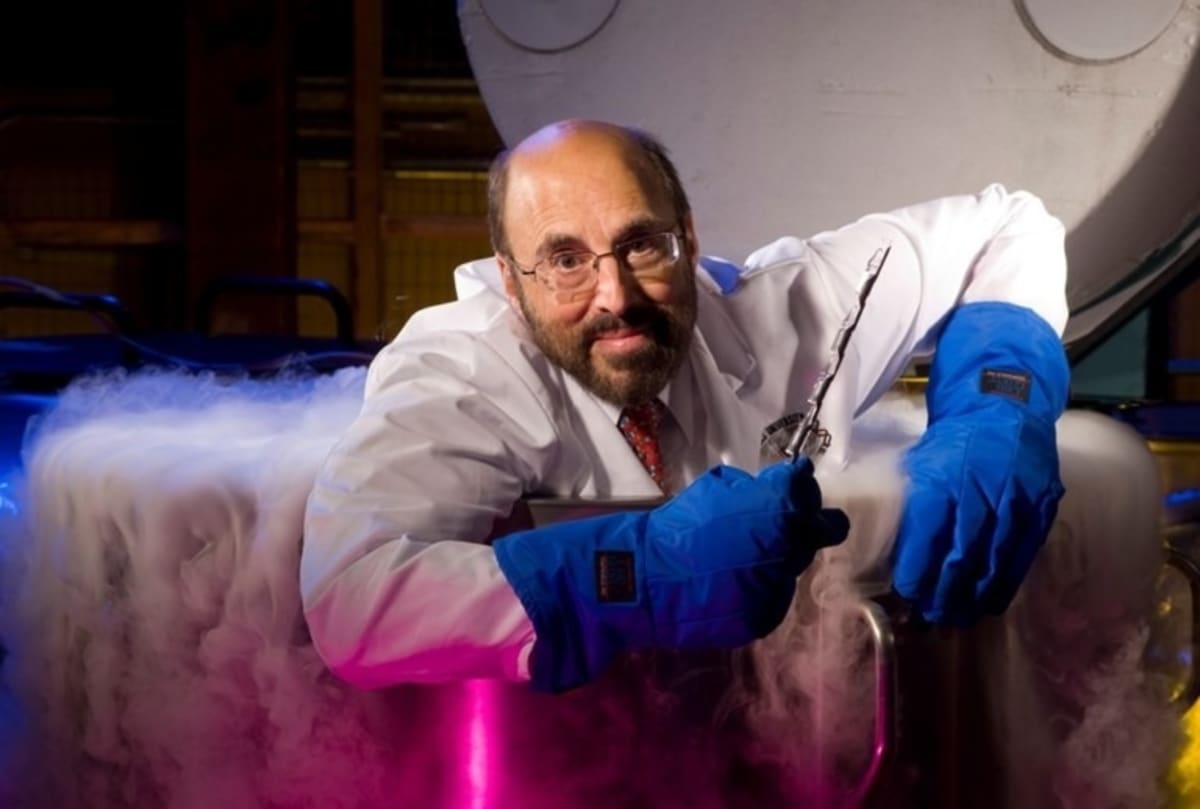
Dr. Alexander Lin, the principal investigator leading the research, explains that each beam is customized specifically for the patient. The technology builds on proton beam therapy, already one of the most precise forms of radiation available today.
FLASH takes precision to another level by delivering an ultra-high dose of radiation at incredible speed. This approach targets and destroys tumors while causing less damage to surrounding healthy tissue.
The initial clinical trial focuses on patients with recurrent head and neck cancers. These patients often face limited options and grueling treatment schedules that disrupt every aspect of their lives.
Patrick Sullivan from Malvern knows this struggle firsthand. He completed traditional proton therapy for throat cancer just six weeks ago, enduring exhausting treatment sessions that saved his life but took a heavy toll.
Now Sullivan is thrilled about the research that could spare future patients from that exhaustion. He calls the therapy "game-changing" and believes it will help people return to their normal lives with minimal interruption.
Why This Inspires
Before reaching human trials, Penn Medicine tested FLASH on dogs like Maple, who CBS News Philadelphia featured in 2023. That careful, ethical approach to research shows how innovation can move forward responsibly.
The Penn team is now enrolling 10 people for this first phase of research. Dr. Lin says the data has been really promising so far, giving hope to countless patients watching from the sidelines.
Treatment times could shrink from months to just days. Patients would experience the same cancer-fighting effectiveness with fewer side effects and greater convenience.
If this first phase succeeds, FLASH radiation could eventually expand beyond head and neck cancers. Doctors hope to use it on a wide variety of cancer types, multiplying its potential impact across the medical field.
The research represents more than just faster treatment times. It offers hope for better quality of life during cancer treatment, allowing patients to maintain their routines, keep working, and stay connected with loved ones throughout their recovery.
One day soon, doctors at Penn Medicine could be zapping cancer in a flash and giving millions of patients their lives back.
Based on reporting by Google News - New Treatment
This story was written by BrightWire based on verified news reports.
Spread the positivity!
Share this good news with someone who needs it