Scientists ID 36 Genes Behind OCD and Tourette Syndrome
Rutgers researchers have identified 36 genes that significantly raise the risk for OCD and chronic tic disorders, opening doors to dozens of new treatment possibilities. The breakthrough came from analyzing DNA of nearly 4,000 people and could transform how millions worldwide manage these conditions.
For the first time, scientists have a clear genetic roadmap showing what causes obsessive-compulsive disorder and chronic tic disorders like Tourette syndrome. A Rutgers-led team of international researchers has identified 36 genes that dramatically increase the risk for these conditions, which affect millions of people worldwide.
The discovery is a game-changer for treatment development. Before this study, scientists only knew about a couple of genes linked to these disorders, leaving pharmaceutical companies with limited options for creating new medications.
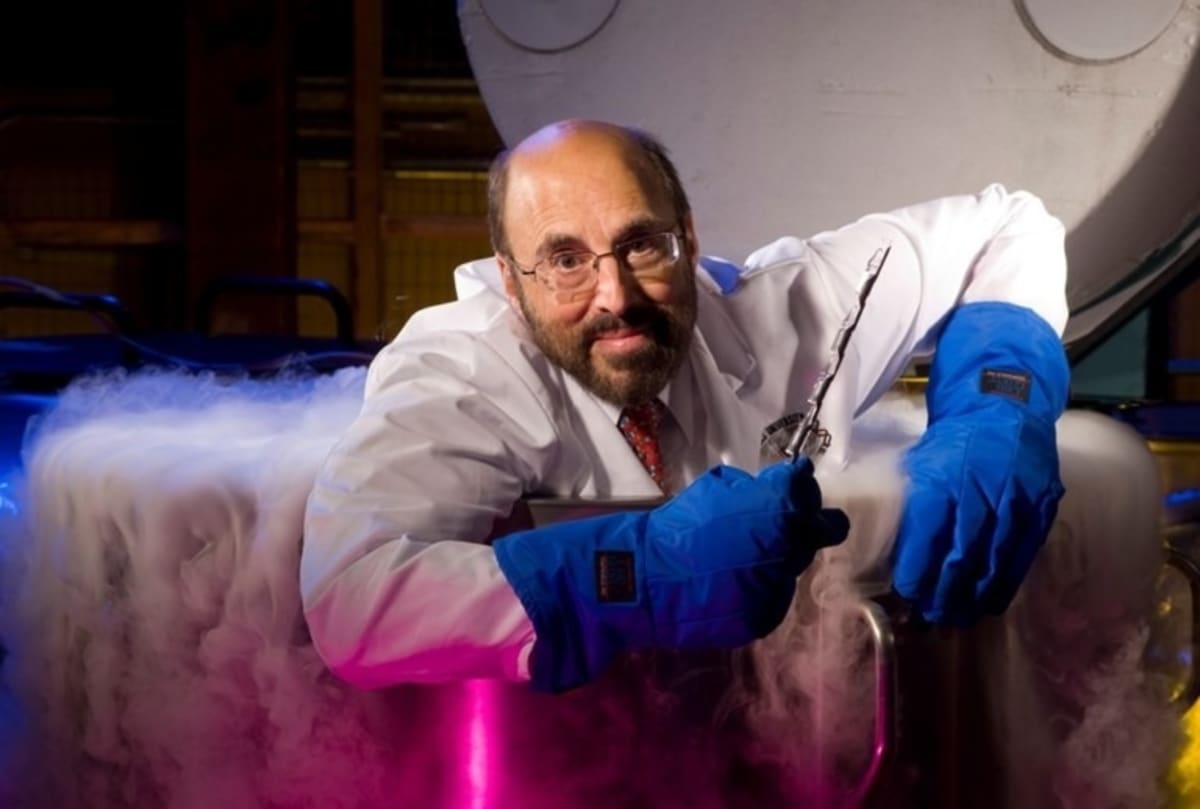
"In the past we knew about a couple of strong genes, so there were few opportunities for the pharmaceutical industry to develop drugs," said Jay Tischfield, a pioneer in Tourette syndrome research at Rutgers. "Now you've got over 30 targets, and that opens up new possibilities for treatment development."
The research team analyzed DNA from nearly 4,000 people diagnosed with OCD, chronic tic disorders, or both conditions. Using advanced whole-exome sequencing, they focused on rare mutations that disrupt how the brain builds and operates.
Many of the newly identified genes are shared between OCD and chronic tic disorders, finally explaining why these conditions often occur together in the same people and families. The disorders appear to involve many of the same brain pathways, particularly in regions controlling movement, decision-making, and habit formation.
The findings also revealed surprising connections to other psychiatric conditions. Several genes identified in the study were previously linked to autism and schizophrenia, suggesting multiple mental health conditions may stem from related disruptions in brain development.
"These genes don't act individually," said Tischfield. "They act in networks. And now you can target whole networks, which will make it easier to design new therapies."
The Ripple Effect
This breakthrough wouldn't have been possible without families who volunteered DNA samples 20 years ago, long before modern sequencing technologies existed. Those stored samples at the Rutgers Repository became incredibly valuable once new tools emerged to analyze them properly.
The research represents a massive international collaboration combining genetic data from more than 30 research teams across the United States, Canada, Europe, South Korea, and South America. It was supported by the National Institutes of Health, the Foundation for OCD Research, and the New Jersey Center for Tourette Syndrome.
Rather than simply managing symptoms, future medications could target the underlying biological mechanisms causing these disorders. Scientists can now focus on how chemical signals move through the brain's circuitry and design drugs that correct those pathways.
Gary Heiman, a genetics professor at Rutgers and senior coauthor, summed up the significance: "We now have a much clearer picture of what's causing these disorders and many more directions to pursue as we work toward better treatments."
After decades of limited options, millions of families finally have real hope for more effective therapies.
Based on reporting by Google News - Scientists Discover
This story was written by BrightWire based on verified news reports.
Spread the positivity!
Share this good news with someone who needs it