Penn Study: Cooling Aid Saves Lives in Extreme Heat
New research from the University of Pennsylvania shows that federal cooling assistance programs can prevent heat-related deaths and hospitalizations in vulnerable communities. The findings come as extreme heat threatens to increase cardiovascular deaths by up to 233% by 2065.
Researchers at the University of Pennsylvania have discovered something lifesaving: federal cooling assistance programs can protect vulnerable communities from deadly heat waves.
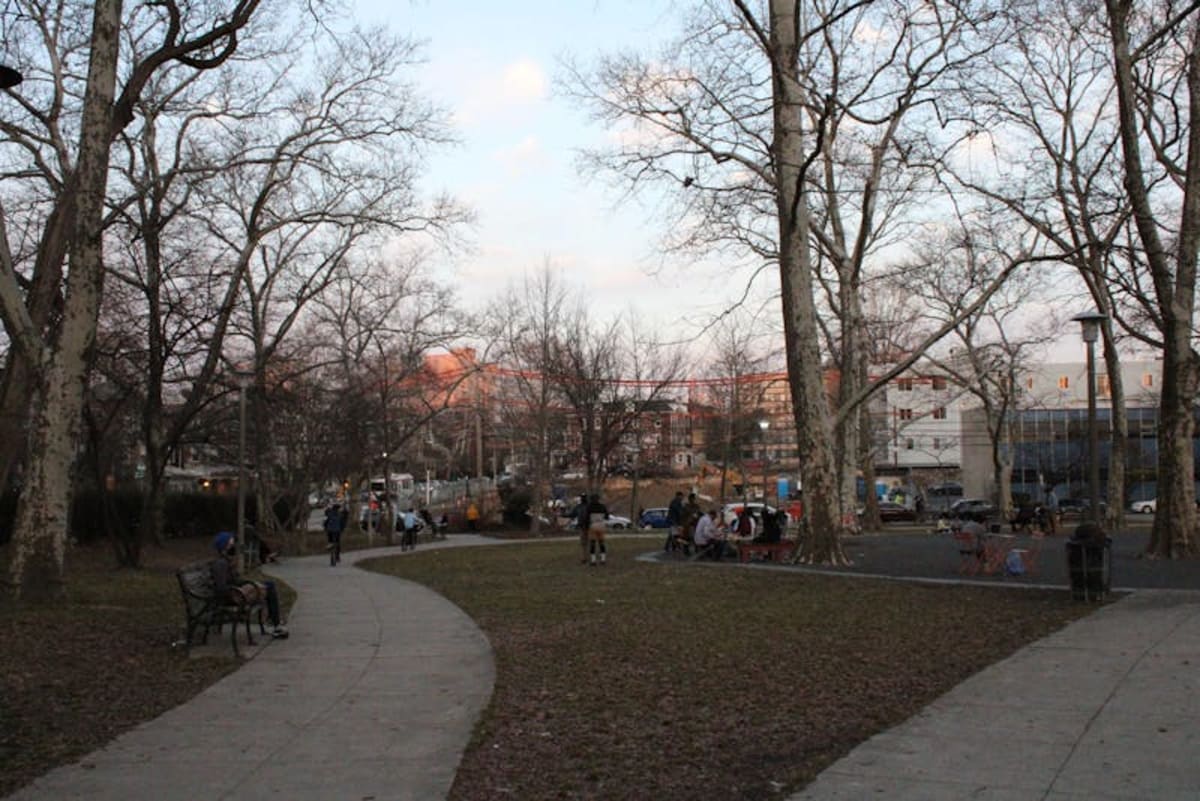
When Philadelphia temperatures hit 96 degrees last month, Penn scientists were already studying how families struggle to stay cool. What they found could change how America prepares for rising temperatures.
Dr. Sameed Khatana, a cardiology professor at Penn, explained that extreme heat doesn't just cause heat stroke. It quietly worsens existing health conditions, especially for people with heart disease or diabetes.
"The majority of heat-associated deaths are actually not quite so stark," Khatana told researchers. Someone who's had a heart attack, for example, may not handle the increased heart rate that comes with hot weather, leading to heart failure.
His team's projections paint a serious picture. By 2065, cardiovascular deaths linked to extreme heat could jump 233% compared to recent years.
But here's the hopeful part: federal programs like the Low Income Home Energy Assistance Program (LIHEAP) are already making a real difference.
Penn professor Chenyi Ma studied how families coped during the pandemic when everyone stayed home. He found that 60% of households facing utility disconnection without LIHEAP assistance had to make dangerous choices, like enduring unsafe indoor temperatures or skipping basic necessities.
With LIHEAP help, that number dropped to just 35%. The program provided tangible relief when families needed it most.
Professor Charles Leonard noted that heat particularly threatens people with diabetes, who struggle to regulate blood sugar and store medications like insulin at proper temperatures during extreme weather.
The Ripple Effect
The research reveals how smart policy creates cascading benefits. When families can afford to run air conditioning, they avoid hospitalizations and emergency room visits. They don't have to choose between cooling their homes and buying groceries.
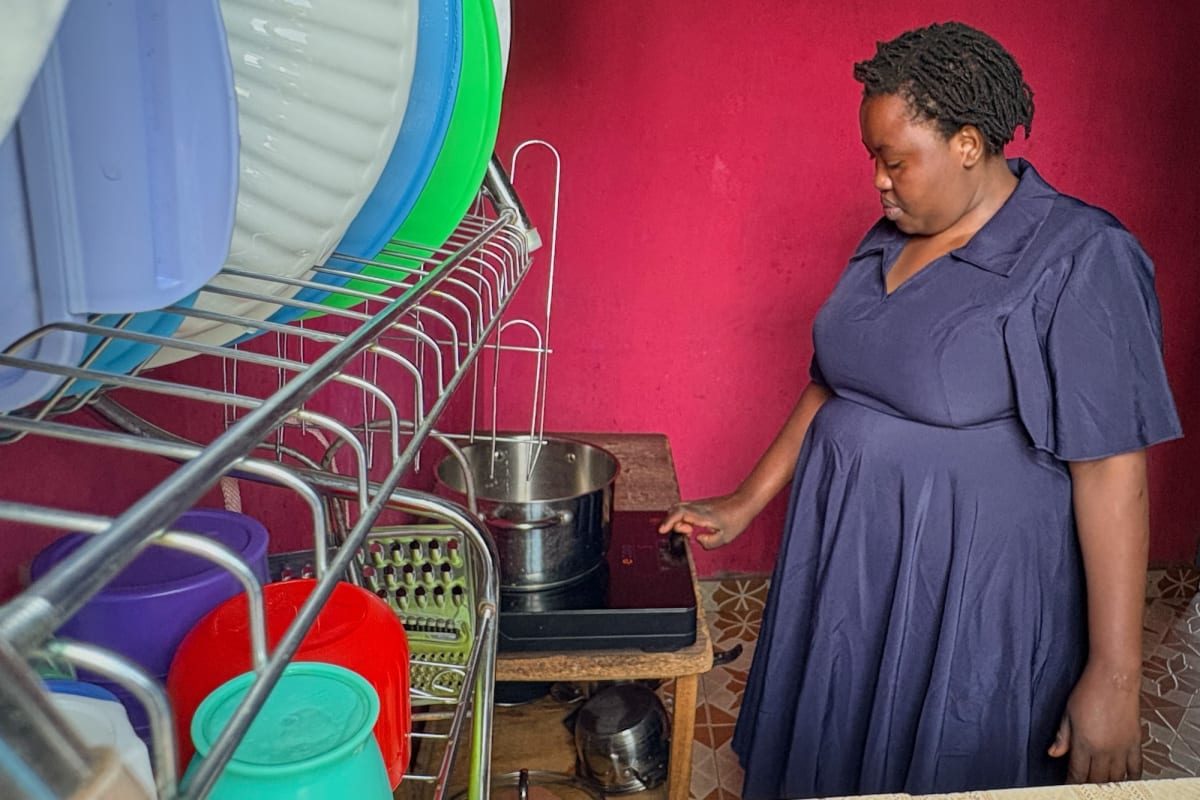
Pennsylvania provided free air conditioners through LIHEAP in 2024, directly addressing the problem before it became a crisis. While the specific program ended in 2025, it demonstrated what's possible when communities invest in prevention.
Currently, 26% of Philadelphia households face high energy costs relative to their income. The researchers believe expanding cooling assistance year-round, rather than just crisis grants, could prevent people from ending up in hospitals.
Leonard envisions an even better system: a single application platform where eligible families automatically receive all available benefits without navigating multiple programs. Simplifying access means more people get help before facing dangerous situations.
The message is clear: cooling assistance isn't just about comfort; it's about saving lives, and the research proves it works.
More Images



Based on reporting by Google News - Researchers Find
This story was written by BrightWire based on verified news reports.
Spread the positivity!
Share this good news with someone who needs it