Personalized Cancer Vaccine Succeeds in Major Trial
A groundbreaking personalized mRNA cancer vaccine has passed its first major clinical trial, marking a milestone in the fight against cancer. The treatment prevented melanoma from returning in patients after surgery, offering new hope for thousands facing the disease.
For the first time ever, a personalized cancer vaccine has succeeded in a large-scale clinical trial, bringing researchers closer to a breakthrough many thought was decades away.
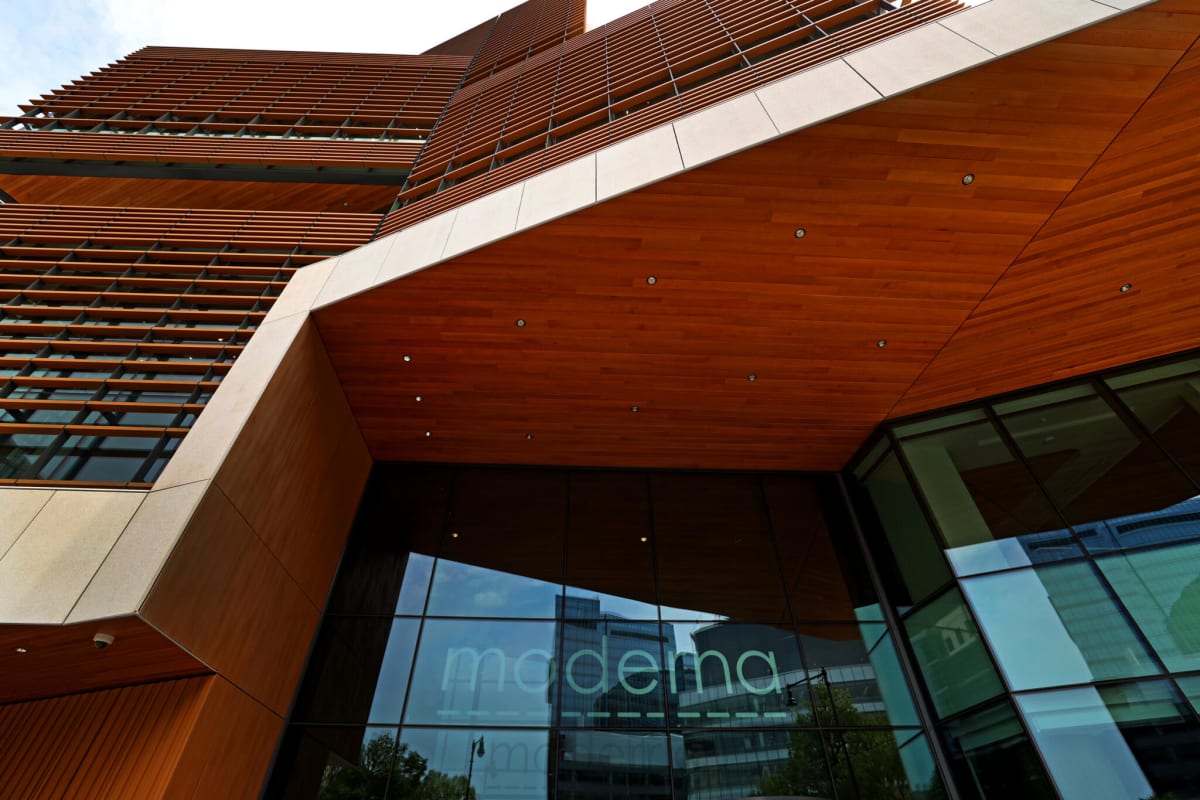
Merck and Moderna announced that their experimental vaccine, intismeran, significantly reduced melanoma recurrence when combined with an existing immunotherapy drug. The trial included 1,137 patients with advanced melanoma that had been surgically removed, testing whether the vaccine could keep the cancer from coming back.
The vaccine works like a highly personalized training program for your immune system. Doctors analyze mutations in a patient's specific tumor, then create a custom mRNA vaccine encoding up to 34 unique targets found only in that person's cancer cells. When administered, the vaccine teaches the immune system to recognize and destroy any remaining cancer cells carrying those exact mutations.
This approach represents a fundamental shift in cancer treatment. Instead of one-size-fits-all therapies, each patient receives a vaccine designed exclusively for their unique cancer fingerprint.
The trial combined the personalized vaccine with pembrolizumab, a checkpoint inhibitor that removes the brakes cancer often places on immune cells. Together, they create a one-two punch: generating fresh cancer-fighting T cells while freeing them to do their job.
Researchers haven't yet released detailed numbers, but both key measures showed statistically significant improvement. Patients receiving the combination had better recurrence-free survival and were less likely to develop distant metastases compared to those receiving standard treatment alone.
Why This Inspires
This success opens doors far beyond melanoma. The same technology is now being tested in lung, bladder, kidney, and other cancers. If those trials succeed, personalized cancer vaccines could transform how we treat dozens of different cancer types.
The approach also addresses one of cancer's most frustrating challenges: its uniqueness. Every patient's cancer has different mutations, which is why treatments that work brilliantly for one person might fail for another. Personalized vaccines sidestep this problem entirely by targeting each patient's specific cancer signature.
Scientists have spent decades trying to harness the immune system against cancer with limited success. This trial proves the concept actually works in a large group of patients, not just in small preliminary studies.
The companies plan to present full results at an upcoming medical conference and submit their findings to regulatory authorities. While overall survival data is still being collected, the prevention of recurrence and metastasis represents exactly what patients and families hope for after surgery: staying cancer-free.
For the thousands of people diagnosed with melanoma each year, this development offers something precious: a new reason for hope.
More Images


Based on reporting by Google News - Vaccine Success
This story was written by BrightWire based on verified news reports.
Spread the positivity!
Share this good news with someone who needs it