Perth Scientists Build Artificial Placenta for Preemie Babies
Perth researchers are developing an artificial placenta that could give extremely premature babies three to four more weeks to grow before facing the outside world. The device, powered by the baby's own heartbeat, mimics the womb's life support system.
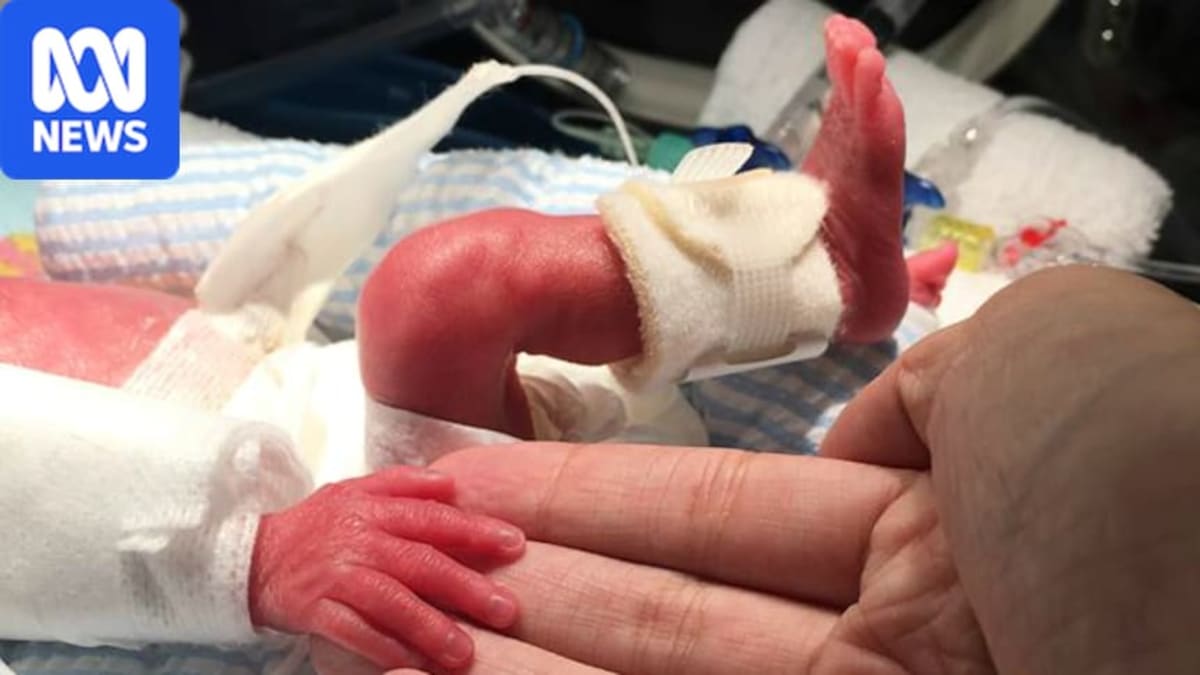
Babies born at just 22 or 23 weeks face a heartbreaking reality: their lungs barely work, their skin tears easily, and survival odds are slim. But a groundbreaking project in Perth could give these tiny fighters a real chance at life.
Scientists at the Women and Infants Research Foundation at King Edward Memorial Hospital are building an artificial placenta. The device would let extremely premature babies continue receiving oxygen and nutrients the same way they did in the womb, buying them precious weeks to develop before they need to breathe and eat on their own.
Professor Matt Kemp, the chief scientist leading the research, calls it "a bridge out of the uterus." For babies born right at the edge of viability, those extra three or four weeks could mean the difference between life and death.
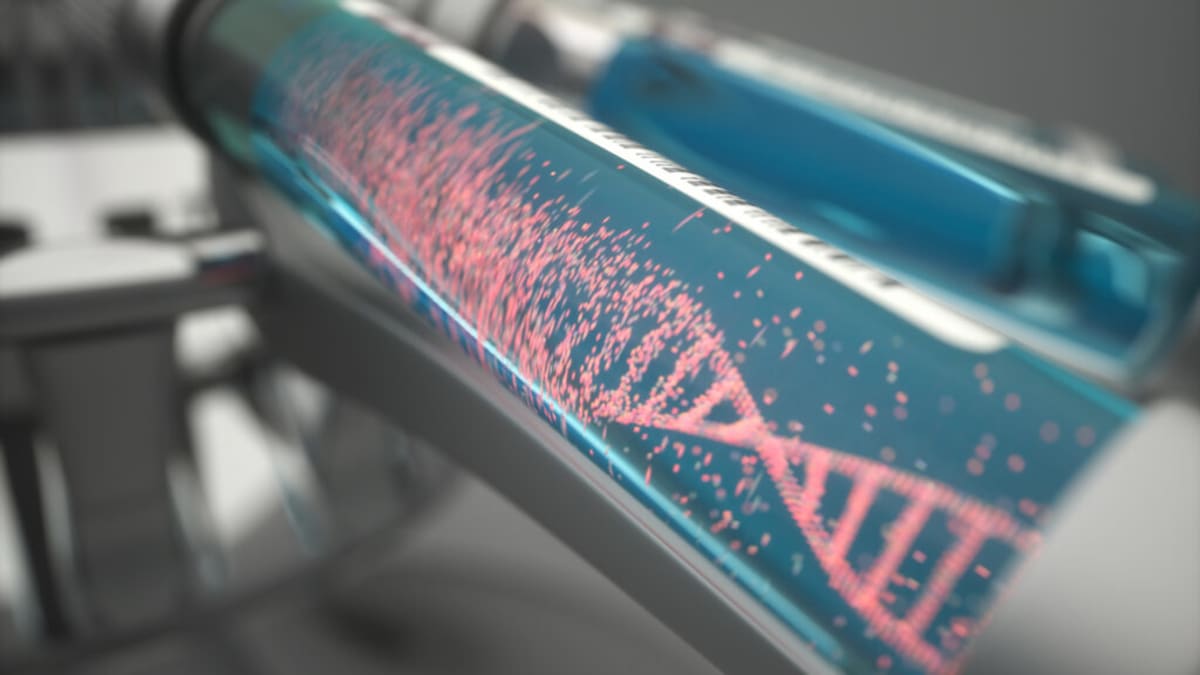
The artificial placenta looks nothing like the real organ. It's two clear blocks about the size of Rubik's Cubes, connected to tubes and catheters that hook up through the baby's belly button. But here's the remarkable part: the device runs on the baby's own heartbeat, with no external pump needed. That makes it incredibly responsive to each baby's unique needs.
Right now, the team is testing the technology on sheep. Each breakthrough reveals new challenges to solve. When they fixed problems with the circuit's resistance on tiny hearts, they discovered they needed to add growth factors that natural placentas produce. Professor Kemp sees this as progress, not setback.
Why This Inspires
This research isn't just about saving the smallest babies. It's teaching scientists things about placentas they never understood before. By studying how these complex organs deliver exactly what developing babies need, researchers can help all premature babies grow better, even those born later who don't need artificial placentas.
The technology could unlock answers about why premature babies grow differently than full-term babies. That knowledge could improve care in neonatal intensive care units everywhere.
Professor Kemp estimates artificial placentas are still 10 to 15 years from hospital use. That timeline might sound long, but for parents who will one day hold babies saved by this technology, it's a future worth waiting for.
Every solved challenge brings hope closer to the tiniest patients who need it most.
More Images



Based on reporting by ABC Australia
This story was written by BrightWire based on verified news reports.
Spread the positivity!
Share this good news with someone who needs it