Peru Town Wins $150M in Historic Lead Poisoning Case
After 19 years of legal battles and death threats, a Peruvian cardinal helped 1,373 poisoned children win a $150 million settlement from a U.S. mining company. Each victim will receive at least $100,000 for childhood lead exposure in one of the world's most polluted towns. #
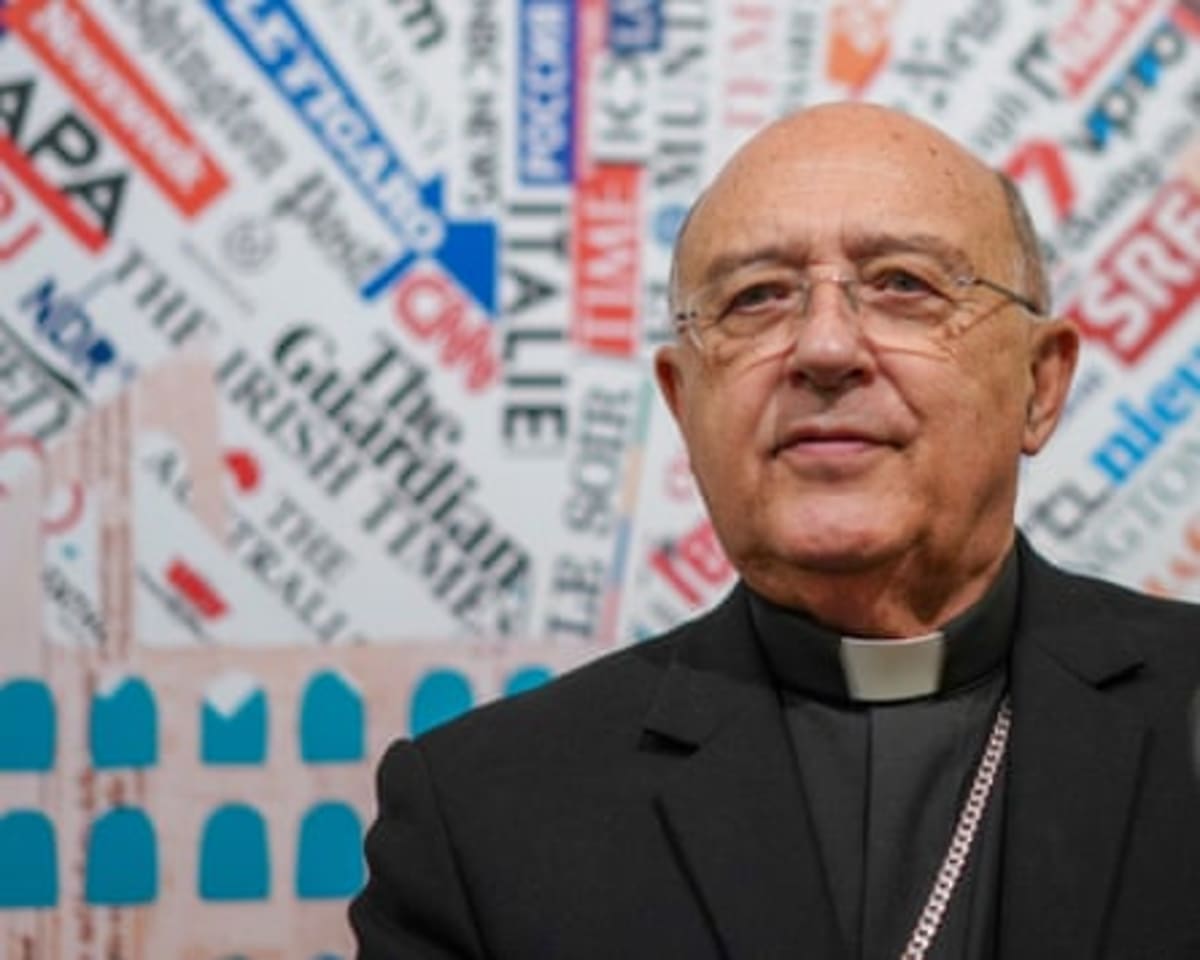
Justice arrived in a Rome hotel room for Cardinal Pedro Barreto, 82, when he learned that 1,373 Peruvians poisoned as children would finally receive $150 million from the company behind their suffering.
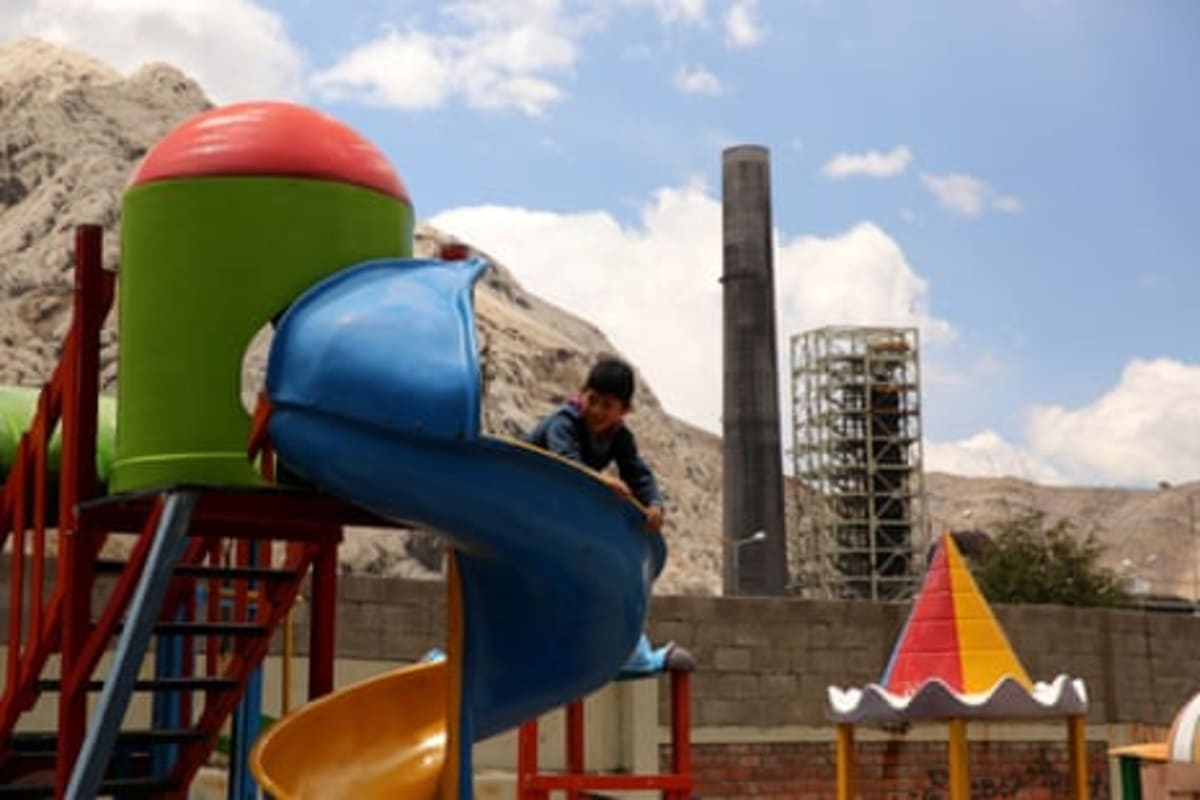
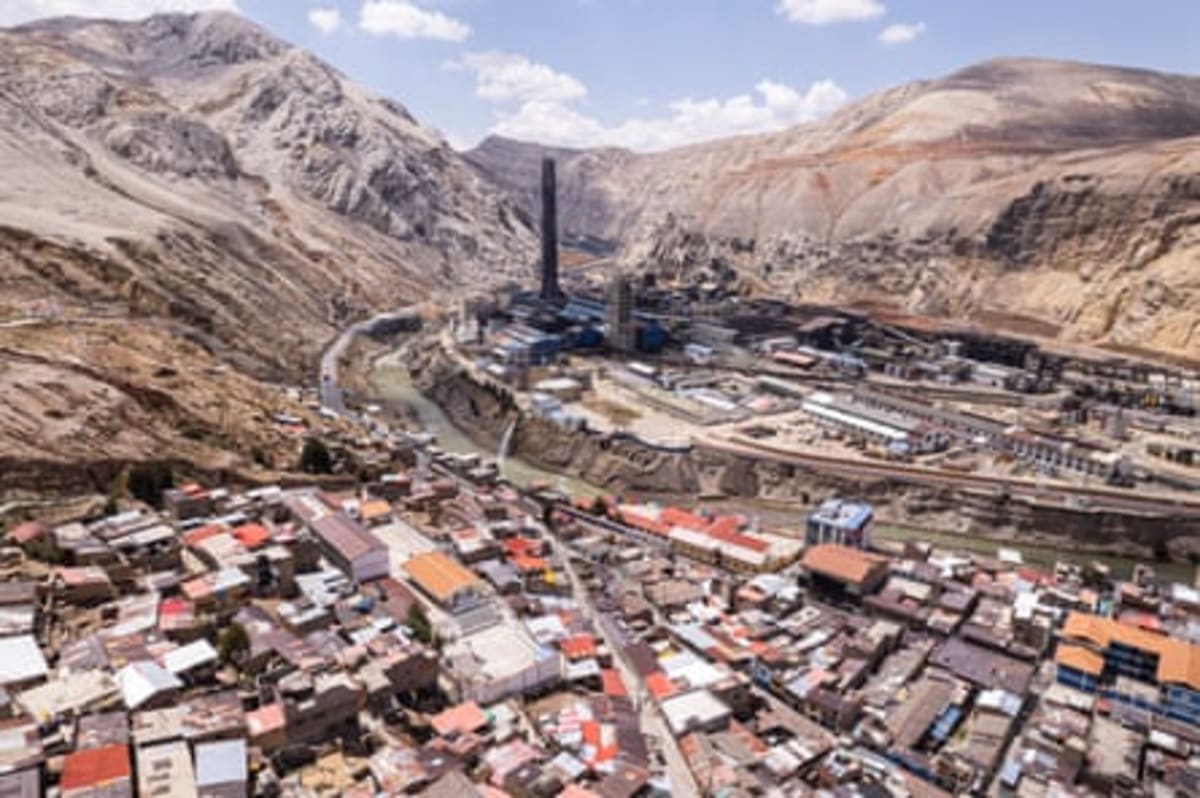
The settlement closes a 19-year legal battle against Doe Run Company, which ran a toxic smelter in La Oroya, a town in the Peruvian Andes once named one of the world's 10 most polluted places. Each victim will receive at least $100,000.
Barreto began his fight in 2004 after researchers found that nearly 100% of children under six in La Oroya had dangerous blood lead levels. Some had among the highest levels ever recorded, causing growth problems and lower IQs.
The former archbishop didn't back down even when death threats arrived, often from smelter workers worried about losing their jobs. "If I kept speaking out, they were going to take much more drastic measures," he recalled.
What started in 2007 as a case for 17 children grew into one of the longest multinational environmental lawsuits ever fought. Five national law firms opposed the victims, and the Department of Justice even tried moving the case to Peru.
Attorney Jerry Schlichter refused to give up. "If the case had gone to Peru, the children would have got nothing," he said after tens of thousands of attorney hours fighting what he called a David versus Goliath battle.
Researchers from Saint Louis University documented how lead, arsenic, cadmium and sulfur dioxide emissions actually increased after Doe Run took over the smelting complex in 1997. The evidence was undeniable.
THE RIPPLE EFFECT
This settlement does more than change individual lives. It sets a powerful precedent that American companies can be held accountable for poisoning communities abroad, even when victims aren't U.S. residents.
Schlichter called it "a historic tipping point" that proves multinational corporations can't escape responsibility by operating in other countries. Future communities facing similar pollution now have a roadmap for justice.
For the young adults who were poisoned as children, the money opens doors that lead exposure had closed. Many suffered permanent neurological damage that affected their education and opportunities.
"The money will not compensate for the harm they have suffered, but it is a sign that justice has been served," Barreto said. He credits the local population for their resilience through nearly two decades of waiting.
The cardinal insists the real heroes are the families who never stopped believing their children deserved better. Their persistence proved that even the smallest voices can outlast the most powerful corporations when fighting for what's right.
#
More Images

Based on reporting by Guardian Environment
This story was written by BrightWire based on verified news reports.
Spread the positivity!
Share this good news with someone who needs it