Peruvians Evolved Super Digestion for Potatoes Over 10,000 Years
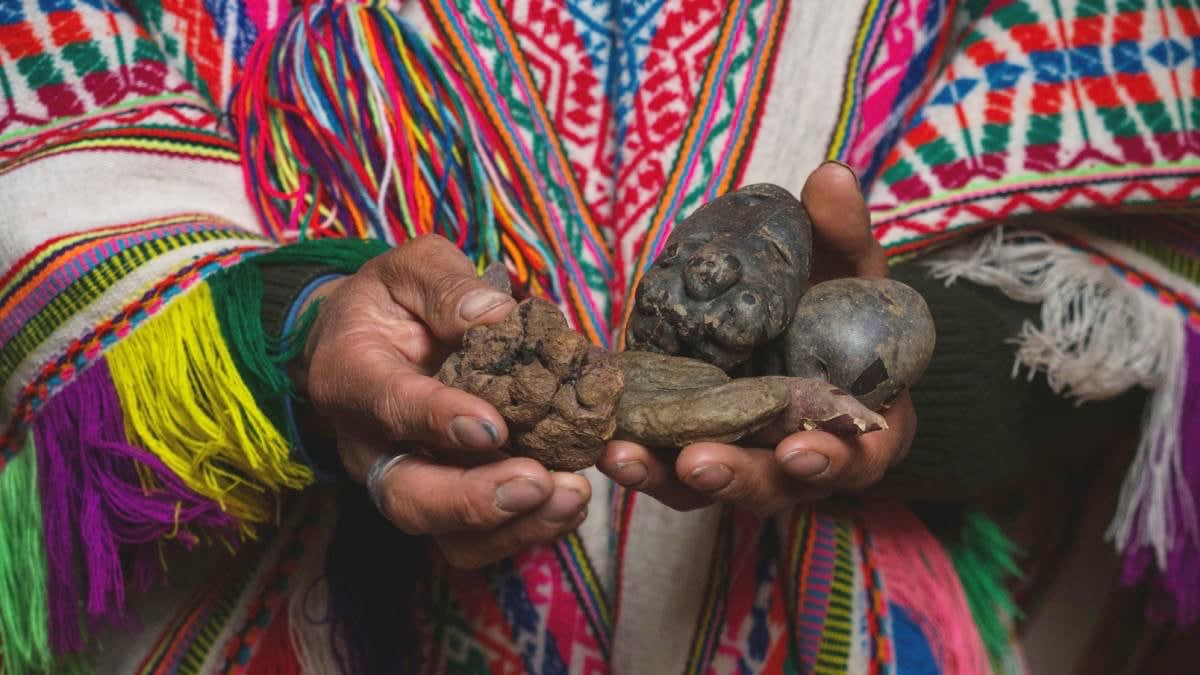
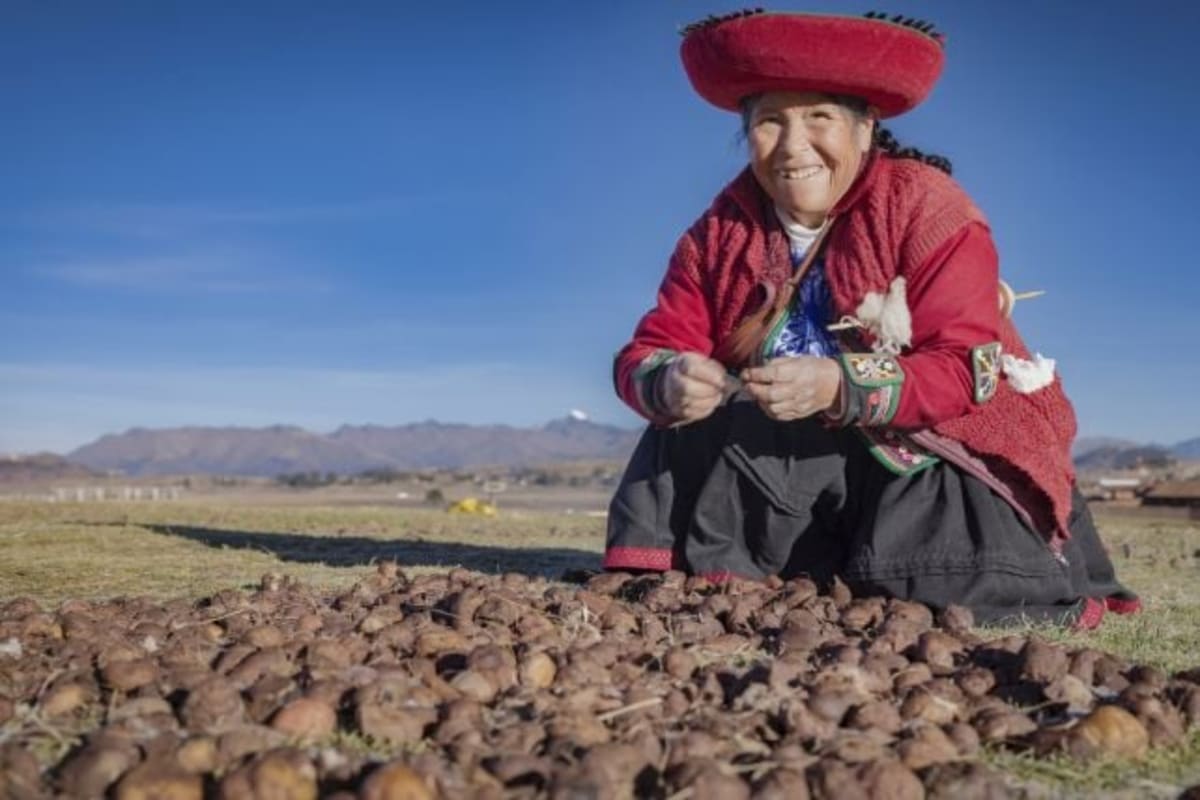
Indigenous Quechua people in the Peruvian Andes developed a genetic superpower that helps them digest starch better than almost anyone on Earth. The secret lies in their ancient relationship with the potato, which they domesticated thousands of years ago.
Scientists just discovered that thousands of years of eating potatoes gave an entire population a genetic edge that's still working today.
Researchers studying Indigenous Quechua people in the Peruvian Andes found something remarkable. These populations carry more copies of a special gene that helps break down starch than almost any other group on the planet.
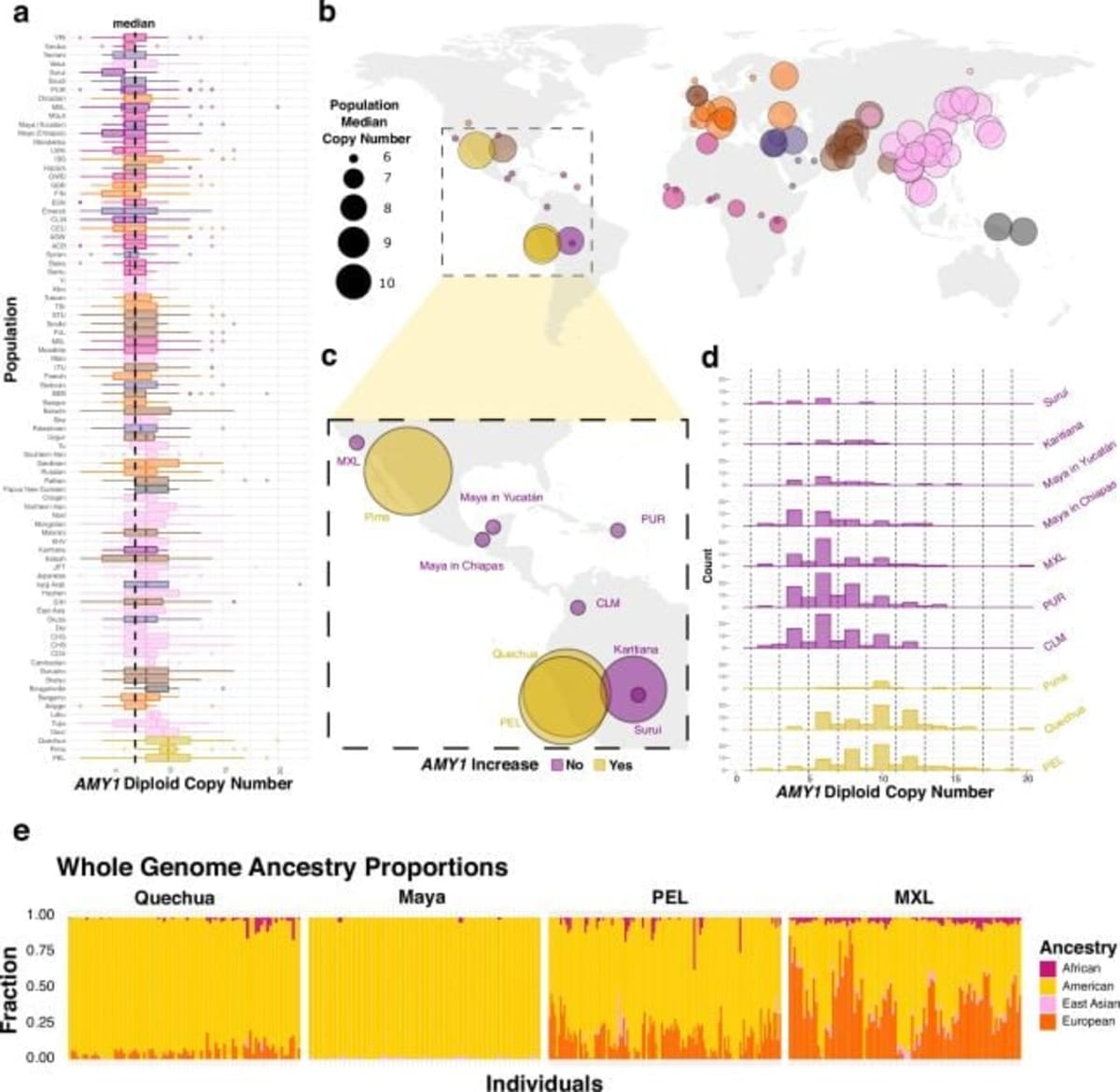
The gene is called AMY1, and it produces an enzyme in your saliva that starts digesting starch the moment food hits your mouth. Most people worldwide have about 7 copies of this gene, but Indigenous Quechua people from Peru have a median of 10 copies.
That might not sound like much, but it gave them a 1.24 percent survival advantage per generation. Over thousands of years, that small edge added up to major changes.
The timing tells the real story. The Andes region was one of the first places humans domesticated potatoes, starting around 10,000 to 6,000 years ago. Genetic dating shows that AMY1 copies began increasing around 10,000 years ago, right when potato farming took off.
To confirm the connection, researchers compared genomes from 3,723 people across 85 populations worldwide. Populations descended from the Maya, who didn't have the same long history with potatoes, don't show this adaptation. The evidence is strong that diet shaped evolution in real time.
Why This Inspires
This discovery shows that humans haven't stopped evolving, even in recent history. Our bodies are still adapting to the environments and foods we interact with daily.
The research also highlights something beautiful about the relationship between people and the crops they've cultivated for generations. The Quechua people didn't just domesticate the potato. In a way, the potato helped shape them too.
What makes this especially relevant today is how it challenges our thinking about diet and evolution. We now eat foods from all over the world, not just what our ancestors ate for thousands of years. Scientists are asking fascinating questions about what this means for human evolution going forward.
The study also adds depth to debates about so-called ancestral diets. It proves that genetic adaptation to dietary changes can happen in relatively short evolutionary timeframes when the selection pressure is consistent enough.
This research celebrates both the ingenuity of early farmers and the remarkable adaptability of the human body. It's a reminder that evolution isn't just something that happened in the distant past. It's an ongoing story we're all still writing, one meal at a time.
More Images

Based on reporting by Google News - Technology
This story was written by BrightWire based on verified news reports.
Spread the positivity!
Share this good news with someone who needs it

%2Fhttps%3A%2F%2Ftf-cmsv2-smithsonianmag-media.s3.amazonaws.com%2Ffiler_public%2F06%2F46%2F0646d94a-82ec-4948-87ef-b40f8d3de826%2Fdogs-can-distinguish-b.jpg)