PhD Student Finds Lost Maya City on Google Page 16
A graduate student scrolling deep into Google search results stumbled upon data that revealed Valeriana, a massive ancient Maya city hidden beneath Mexican forests for over 1,000 years. The discovery challenges everything archaeologists thought they knew about Maya civilization.
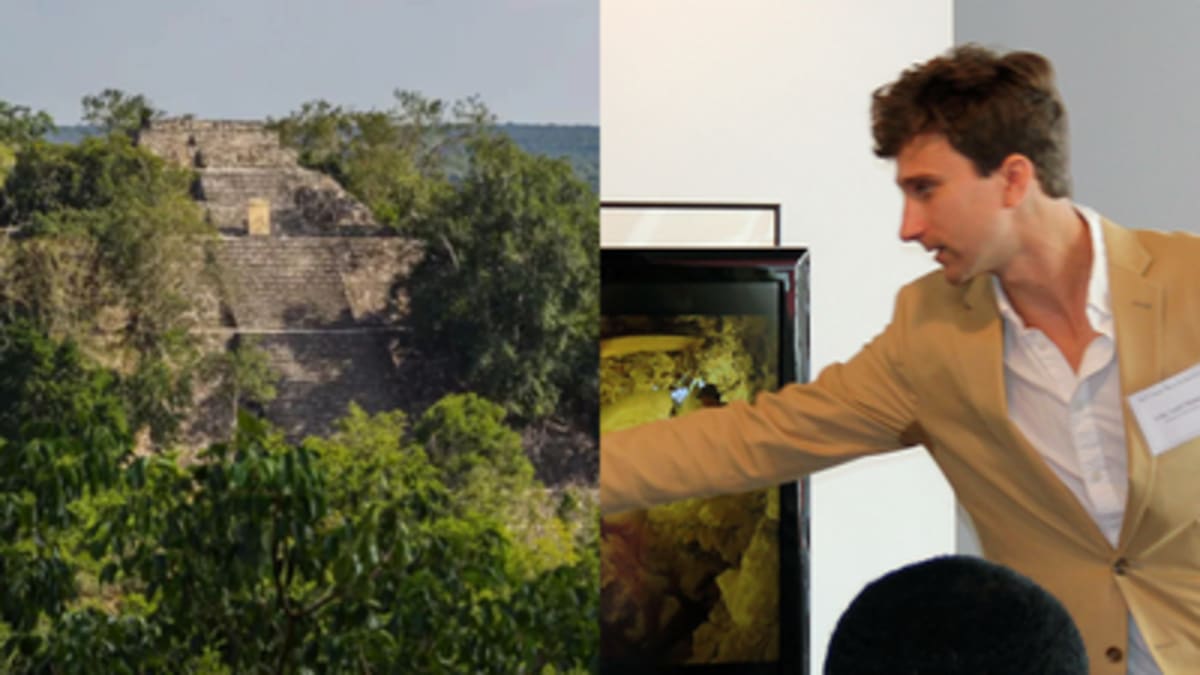
Luke Auld-Thomas wasn't exploring jungles with a machete when he discovered one of the largest Maya cities ever found. He was sitting at his computer, scrolling through page 16 of Google search results.
The Tulane University PhD student was researching ancient Maya settlements in 2023 when he found an obscure dataset buried in Google's depths. A Mexican environmental organization had collected the LiDAR survey for monitoring purposes, and it had been sitting online for years without catching any archaeologist's attention.
Auld-Thomas downloaded the files and started analyzing them. What he found took his breath away: the outline of an enormous ancient city hiding beneath the forest canopy in Campeche, Mexico.
The city, now named Valeriana after a nearby lagoon, wasn't just a small settlement. Researchers identified thousands of structures including pyramids, plazas, residential complexes, reservoirs, causeways, and a ball court. Between 30,000 and 50,000 people likely lived there during its peak around 750 to 850 AD, making it larger than many communities in the region today.
LiDAR technology made the discovery possible by firing millions of laser pulses from aircraft through gaps in vegetation to map the ground below. When researchers digitally removed the forest layer from the data, they could see roads, buildings, and urban layouts invisible to the naked eye.
Here's what makes this discovery even more remarkable: Valeriana sits relatively close to modern roads and infrastructure. The dense tropical forest simply hid it in plain sight for centuries. From ground level, it looks like natural wilderness.
The city flourished during the Late Classic period of Maya civilization, featuring sophisticated water management systems and transportation networks. Its scale and complexity reveal that ancient Maya societies were far more urbanized and organized than many scholars previously believed.
Why This Inspires
This discovery proves that major breakthroughs can happen anywhere, even on page 16 of Google. Auld-Thomas didn't need expensive expeditions or years of fieldwork. He just needed curiosity, determination, and the willingness to look where others hadn't.
The finding also reminds us how much we still don't know about our shared human history. Entire cities with tens of thousands of residents can remain hidden beneath forests, waiting for someone with fresh eyes to find them in overlooked data.
Valeriana joins a growing list of archaeological discoveries made through digital technology, showing how modern tools are revealing ancient worlds. As researchers apply LiDAR and other technologies across Central America, they're finding that landscapes once thought sparsely populated actually contained extensive urban centers connected by sophisticated infrastructure.
The next major archaeological discovery might not require a jungle expedition at all—just someone willing to scroll a little further than everyone else and see what's been hiding in plain sight.
More Images



Based on reporting by Google: archaeological discovery
This story was written by BrightWire based on verified news reports.
Spread the positivity!
Share this good news with someone who needs it