Philippines Becomes Asia's Hub for Sustainable Farming
Over 2,000 farmers, chefs, and Indigenous leaders from 20 countries gathered in the Philippines to champion food systems that protect biodiversity while feeding communities. The historic meeting established Bacolod City as the region's new center for sustainable food culture.
When the aroma of grilled seafood, fermented sauces, and freshly ground spices filled the air in Bacolod City last November, it signaled something bigger than a food festival. More than 2,000 people from across Asia and the Pacific had come together to reshape how the region grows and shares food.
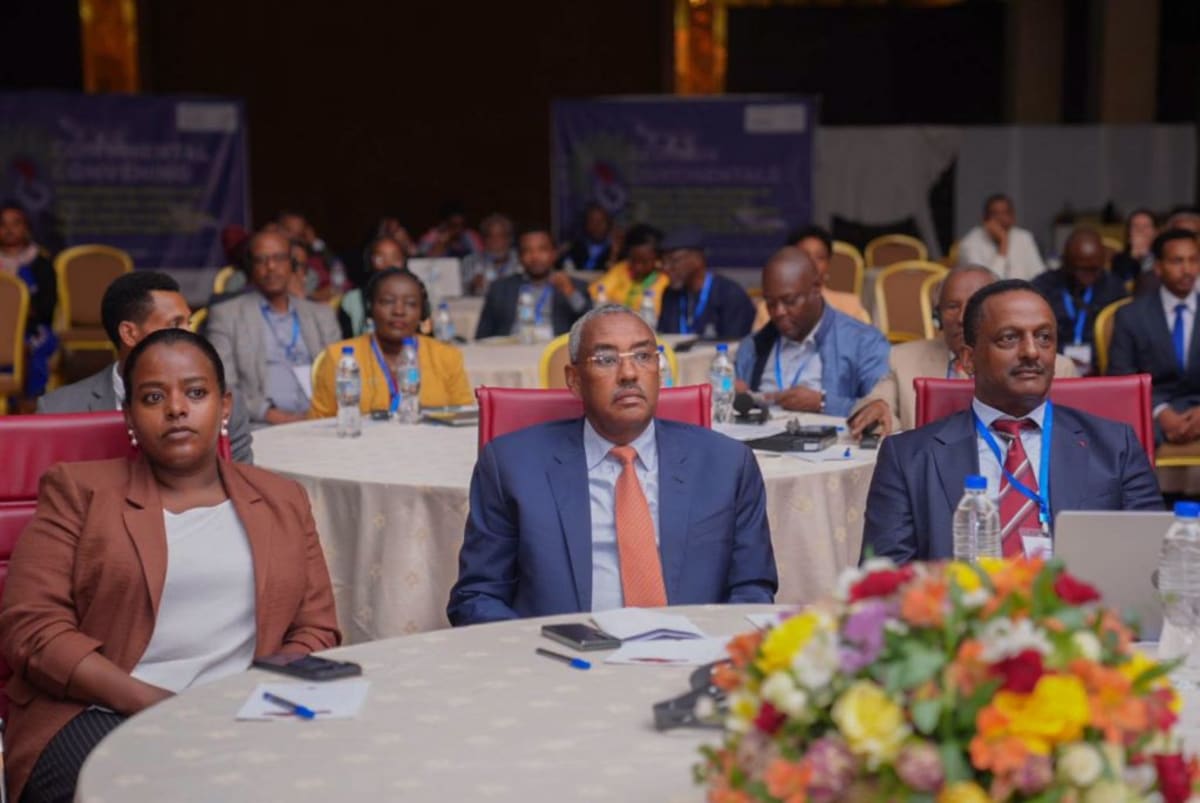
The five-day gathering brought farmers, chefs, Indigenous leaders, scientists, and policymakers from 20 countries to the central Philippines. They came to share ancient farming wisdom, celebrate food cultures rooted in local ecosystems, and find alternatives to industrial agriculture that's threatening both biodiversity and traditional ways of life.
Myrna Pula, a T'boli Indigenous leader from the southern Philippines, showcased heirloom rice varieties that have sustained her community for generations. Families learned to grind spices, prepare bamboo-cooked dishes, and create Indigenous rice snacks in hands-on workshops led by farmers and traditional knowledge keepers.
The event marked a milestone for the global Slow Food movement, which advocates for "good, clean and fair" food for everyone. Organizers designated Bacolod as the region's Center for Sustainable Gastronomy, creating a permanent hub for collaboration on farming practices that work with nature instead of against it.
Edward Mukiibi, president of Slow Food, told reporters the Asia-Pacific region is increasingly shaping global conversations about food and sustainability. The new center will support regular exchanges among farmers, cooks, Indigenous communities, and researchers while helping scale up locally grounded solutions.
Speakers highlighted agroecology as a practical way forward. This approach integrates traditional ecological knowledge with modern understanding to create farming systems that strengthen both food security and ecosystem health.
Arby Duero from the Forest Foundation Philippines pointed to community-led projects among Indigenous Tagbanua communities as proof the model works. These farms simultaneously restore ecosystems and improve livelihoods, especially important as climate change brings more frequent typhoons and floods to the region.
More than 15 local schools brought students to learn about food traditions grounded in biodiversity. Tasting workshops sold out while public talks drew strong engagement on seed preservation, traditional crops, and sustainable development.
The Ripple Effect
The gathering represents a growing pushback against one-size-fits-all industrial farming across Asia and the Pacific. By anchoring regional cooperation in a place known for its rich food culture and organic farming, organizers hope to prove that diversified, community-led agriculture can feed people while protecting the planet.
Paolo di Croce, Slow Food's general director, emphasized that biodiversity survives because communities protect it. The new hub will help those communities connect, learn from each other, and strengthen food systems for future generations.
More Images


Based on reporting by Mongabay
This story was written by BrightWire based on verified news reports.
Spread the positivity!
Share this good news with someone who needs it