Pigs in Diving Suits Help Make Deep-Sea Dives Safer
Scientists at Duke University used pigs in custom diving suits to test a breakthrough gas mixture that could dramatically reduce "the bends" for deep-sea divers. The discovery could one day help commercial and military divers stay underwater longer and return to the surface more safely.
Deep-sea divers may soon have a safer way to explore the ocean depths, thanks to an unlikely team of test subjects wearing heated diving suits and diapers.
Researchers at Duke University fitted 40 pigs with custom diving gear to test whether a new gas mixture could prevent decompression sickness, commonly known as "the bends." This painful and sometimes fatal condition occurs when divers ascend too quickly, causing gas bubbles to form in their blood and tissues.
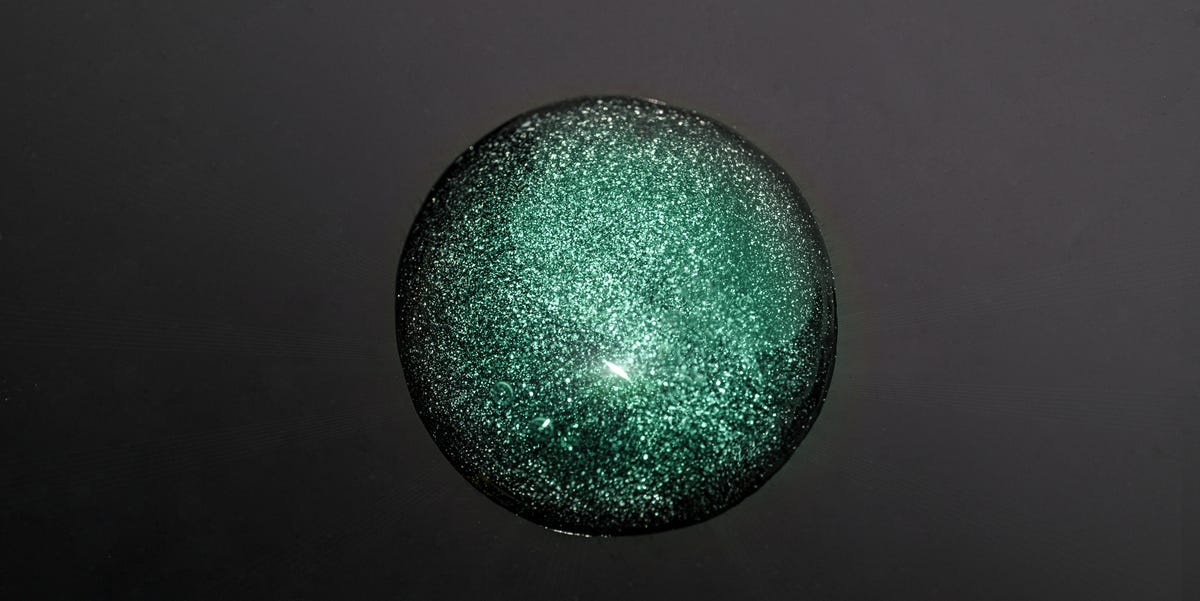
The team, led by Dr. Richard Moon, ran experiments in a massive blue tank that simulates conditions 200 feet below sea level. Half the pigs breathed heliox (helium and oxygen) for their entire simulated dive. The other half switched to a mixture of oxygen and carbon tetrafluoride (CF4) for the final 10 minutes underwater.
The results were dramatic. Over 80% of the pigs breathing only heliox developed severe decompression sickness and died within three hours of surfacing. None of the pigs that switched to CF4 died.
The secret lies in how CF4 behaves in the body. This inert gas has larger molecules and dissolves more slowly in tissues than helium or nitrogen. During those final 10 minutes underwater, the CF4 replaced helium in the pigs' bodies but entered their tissues more slowly, leaving less gas to bubble out during ascent.
Why This Inspires
For decades, divers have accepted that going deep means accepting serious risks. Jacques Cousteau called the confusion divers felt at depth the "rapture of the deep," not knowing he was experiencing nitrogen narcosis from breathing compressed air.
Today's deep-sea divers use careful gas mixtures and strict time limits to stay safe, but the danger never disappears. Dr. Kay Tetzlaff, a researcher at the University of Tübingen not involved in the study, notes that "the risk for diving injury almost exponentially increases with depth."
This breakthrough offers hope that one day, divers won't have to choose between exploring deeper waters and coming home safely. While CF4 is currently too expensive for recreational divers, it could transform commercial and military diving operations where the risks are highest and the stakes matter most.
The research, published in PNAS in August, represents years of work by Moon's team to make deep-sea exploration safer. After their first choice (neon) became too expensive following Russia's invasion of Ukraine, they persevered and found an even better solution.
Those 40 pigs in their specially designed suits may have just opened up a whole new world of ocean exploration for the humans who follow.
More Images

Based on reporting by Live Science
This story was written by BrightWire based on verified news reports.
Spread the positivity!
Share this good news with someone who needs it