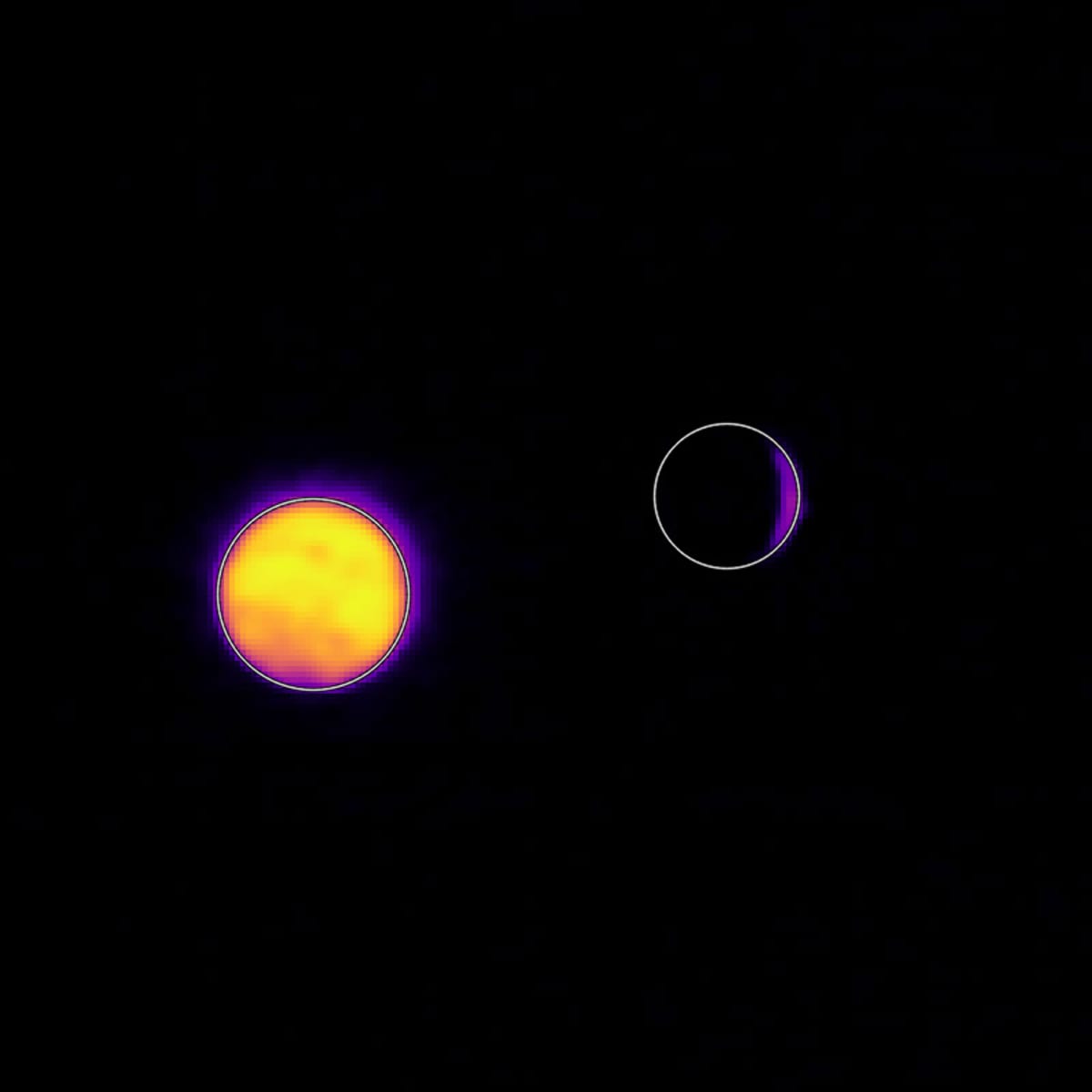
Pittsburgh Startup Tests Engine That Could Power Moon Trips
A small team just fired up a revolutionary rocket engine that runs on controlled explosions instead of traditional combustion, bringing cheaper trips to the Moon and Mars one step closer. The engine performed flawlessly on its first try, despite being built on a modest budget.
A Pittsburgh space company just proved that rocket engines powered by supersonic shockwaves actually work, and the breakthrough could make deep space travel more accessible than ever.
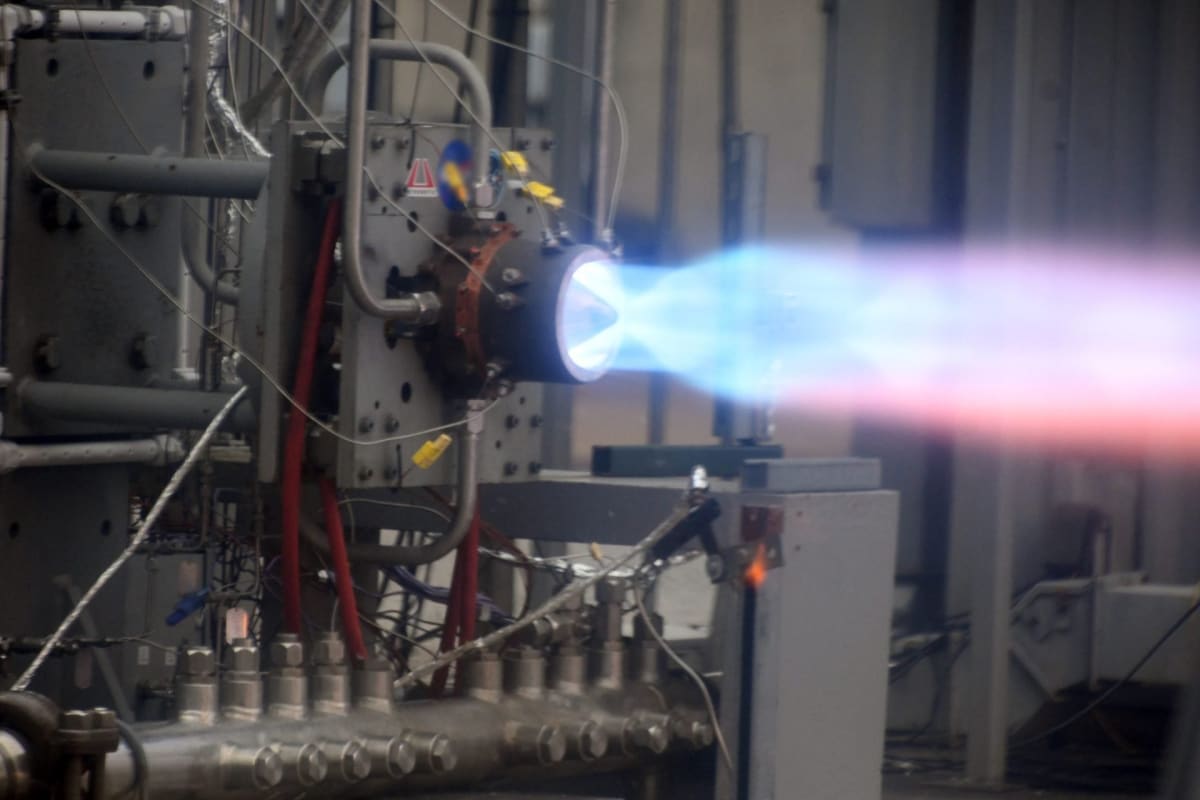
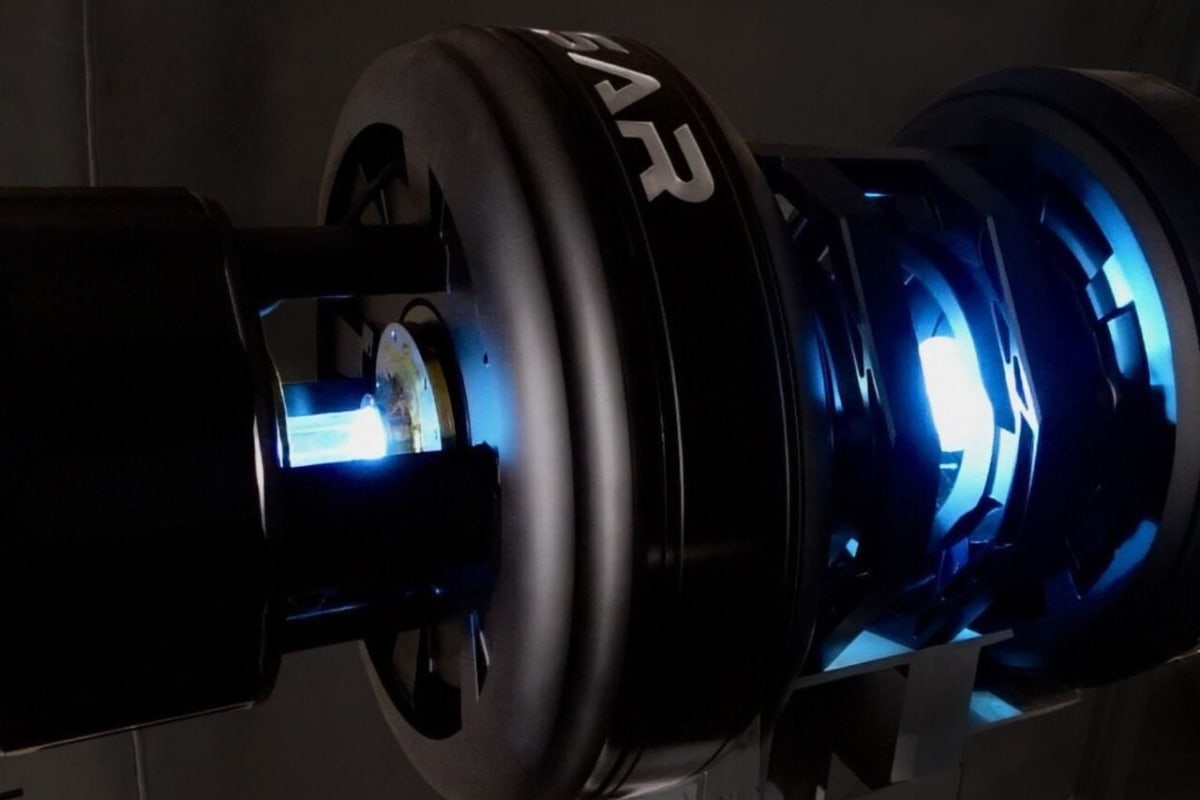
Astrobotic successfully tested its rotating detonation rocket engine at NASA's Marshall Space Flight Center in Alabama. The two prototype engines, called Chakram, produced over 4,000 pounds of thrust each and ran for a combined 470 seconds, including one single burn lasting five full minutes.
Unlike traditional rockets that use exhaust to push forward, these engines create thrust through rapid detonations traveling around a circular channel. Think of it like a controlled explosion that loops continuously, mixing pressurized fuel with oxygen to generate shockwaves that propel the vehicle forward.
The result is an engine that uses significantly less fuel while taking up less space. For missions to the Moon or Mars, that means more room for equipment and supplies, or simply lighter spacecraft that cost less to launch.
The eight hot fire tests exceeded expectations, with zero damage to either engine. "With any cutting-edge technology like an RDRE, moving from design into testing, you're always worried about unknown factors that could be critical to performance," said Bryant Avalos, Astrobotic's principal investigator. "But the engine performed even better than expected."
The achievement is especially impressive given the constraints. "This was pulled off by a small group working on a modest budget," said Travis Vazansky, Astrobotic's program manager. "Seeing the engine perform flawlessly on its first attempt is a testament to their acumen, ingenuity, and scrappiness."
The Ripple Effect
Astrobotic isn't keeping this technology to themselves. The company developed Chakram with support from two NASA grants and plans to use engines like it to power future lunar landers heading to the Moon's south pole, with a mission scheduled for later this year.
But the applications extend far beyond landing on the Moon. The company envisions using this technology for orbital transfer vehicles and other spacecraft operating in cislunar space, the region between Earth and the Moon that's becoming increasingly important for commercial space operations.
The momentum is building across the industry. Houston-based Venus Aerospace recently used its own rotating detonation engine to launch a small rocket 4,400 feet above the New Mexico desert. NASA has been developing similar technology since 2022, with one test producing nearly 6,000 pounds of thrust.
What started as an experimental concept is rapidly becoming the future of space propulsion, opening doors to more frequent and affordable missions beyond Earth orbit.
More Images


Based on reporting by Google News - Technology
This story was written by BrightWire based on verified news reports.
Spread the positivity!
Share this good news with someone who needs it