Plants' Extra Genes Help Them Survive Climate Disasters
Scientists discovered that plants with extra copies of their entire genome survived Earth's biggest catastrophes, including the asteroid that killed the dinosaurs. This genetic quirk could help crops weather our changing climate today.
When an asteroid wiped out the dinosaurs 66 million years ago, half of all plant species vanished too. But plants with a genetic superpower made it through, and scientists just figured out why.
Researchers at Ghent University in Belgium studied 470 plant species and found something remarkable. Some plants carry extra complete copies of their DNA, a trait called polyploidy, and these genetic duplicates act like an insurance policy during environmental catastrophes.
"Strawberries, for example, have eight sets of chromosomes," says plant biologist Yves Van de Peer, who led the 25-year study. Most organisms, including humans, have just two sets of chromosomes, one from each parent.
Having all that extra DNA usually hurts a plant's chances of survival. The duplicated genes bog down cell division and create more opportunities for harmful mutations. Plants with leaner genetic loads typically outcompete their gene-heavy cousins.
But Van de Peer's team discovered these polyploid plants cluster throughout history during Earth's most turbulent periods. They matched ancient genome duplication events to times of dramatic warming, cooling, and mass extinctions over the last 150 million years.
The extra genes become a lifeline when disaster strikes. During the asteroid impact that ended the dinosaur era, skies darkened and temperatures plummeted. Polyploid plants could still perform photosynthesis in low light conditions because their extra genes gave them more tools to capture whatever sunlight remained.
"They have an advantage over a lot of other plant lineages where there was no whole genome duplication and they all went extinct," Van de Peer explains. Once conditions stabilize, the plants' descendants often lose those extra chromosome copies, but evidence of the ancient duplication remains in their DNA.
The Bright Side
This discovery arrives at just the right time. As our planet faces another period of rapid climate change, these naturally resilient plants offer hope for food security and ecosystem survival.
Plant breeders are already excited about the practical applications. Sandra Pitta, a plant biotechnologist in Argentina who wasn't involved in the study, says understanding polyploidy will help scientists develop crops that can withstand droughts, floods, and temperature extremes.
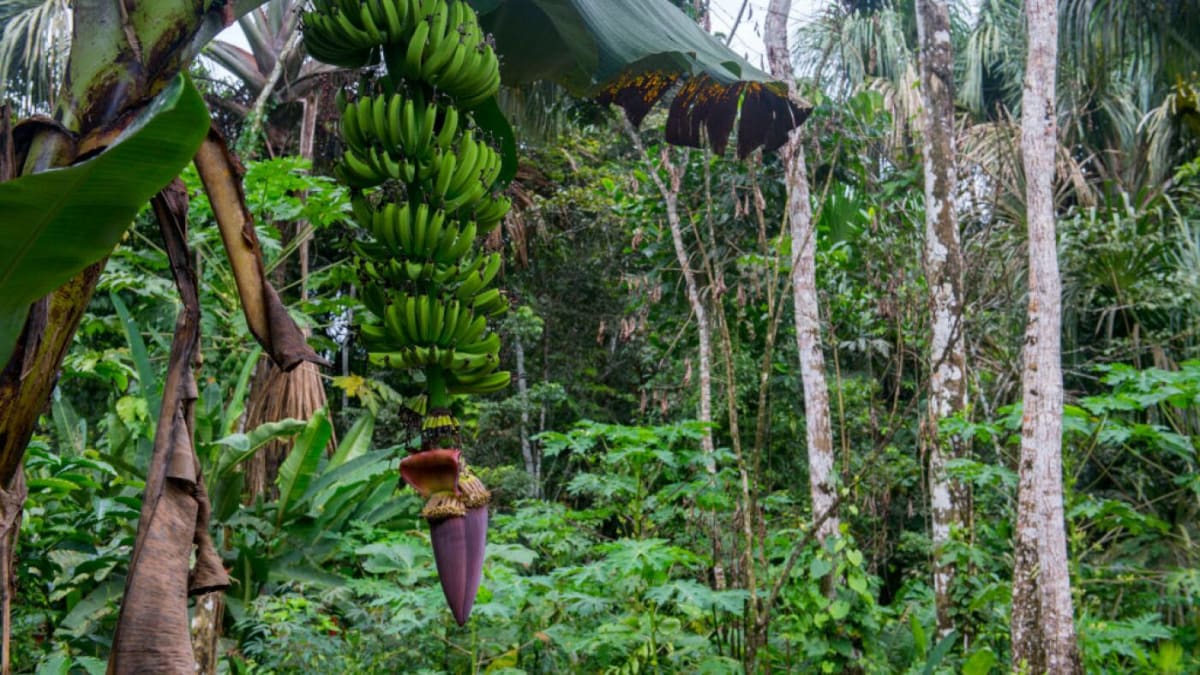
Many of our favorite foods already benefit from this genetic trait. Bananas, strawberries, and wheat all carry extra chromosome sets. Now scientists can intentionally use this knowledge to create more resilient agricultural varieties.
Van de Peer published his findings in the journal Cell after a quarter century of research. "This is the culmination of 25 years of work," he says with a chuckle. "I feel like I can retire now."
Nature has been preparing plants for climate upheaval for millions of years, and that ancient survival strategy might just help feed the world through whatever changes lie ahead.
More Images



Based on reporting by Google News - Science
This story was written by BrightWire based on verified news reports.
Spread the positivity!
Share this good news with someone who needs it