South Australia Farms Spring Back After Years of Drought
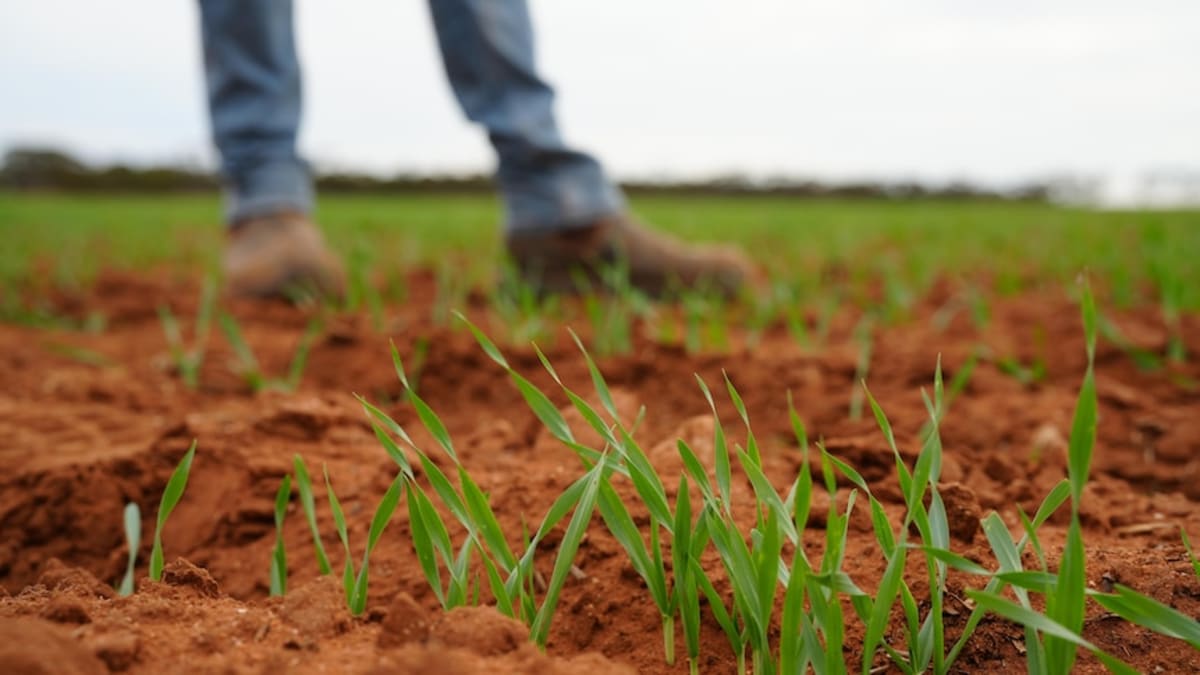
After years of devastating drought, South Australian farmers are watching green shoots sprout across their fields following months of substantial rainfall. The turnaround brings renewed hope to farming families who scaled back operations and watched their land turn to dust.
Sam May couldn't believe his eyes when floodwater pooled chest-deep in his family's paddocks this March. The fifth-generation farmer had almost forgotten what meaningful rain looked like.
His wheat, barley and lentil farm in South Australia's Mallee region received just 100mm of rain last year. This year, 230mm has already fallen since January, with 135mm arriving in just two dramatic days in early March.
"None of my parents or grandparents have seen a flash flood like that," May said. The sudden deluge was the kind of weather event that changes everything for a farmer watching crops fail year after year.
Last season, May scaled back fertilizer and cut operations, bracing for another dry year. Many neighboring farmers abandoned high-risk crops like lentils and chickpeas halfway through planting. The drought forced impossible choices.
Now agronomist Brian Lynch says farmers are committing to those crops again. His town of Loxton received more rain from January to mid-May this year than in all of 2025 combined.
The green shoots mean more than just better harvest numbers. For cattle farmer Lia Rover, they represent feed for livestock and an end to the sand drift that plagued her family's mixed farm near Paringa.
"All our sandy hills look more like the moon than a hill, they're that bumpy," Rover said of the damage from years of wind erosion. Her family spent precious time and money grading soil every time big winds blew.
Rover's farm received 155mm this year, bringing back greenery after several brutal dry years. She's watching carefully for shoots to reach the critical one-foot height where nutrition really kicks in for cattle.
The recovery isn't complete. Locusts devoured over 200 hectares of Rover's feed crops within a week, and some areas still need more moisture. Farmers are monitoring locust numbers heading into spring.
The Ripple Effect
The rainfall renaissance extends beyond individual farms. Entire rural communities that watched businesses struggle and families leave are seeing renewed commitment to the land. Lynch notes that once the rain comes, all farming options open up again, allowing families to make long-term plans instead of survival decisions.
For Rover, who started running cattle in 2022 just as the dry years hit hardest, the return of green has reinvigorated her passion. "I've only ever wanted to be a farmer," she said. "I don't want to walk away from it, so you've got to do everything you can to stay in the industry."
After years of watching brown replace green, South Australia's farming families are cautiously optimistic that the rains will continue and their land will keep healing.
More Images


Based on reporting by ABC Australia
This story was written by BrightWire based on verified news reports.
Spread the positivity!
Share this good news with someone who needs it