Plastic Bottles Transformed Into High-Grade Engine Oil
Scientists discovered how to turn one of the world's most stubborn plastics into premium lubricants worth far more than the original material. The breakthrough could finally make recycling PVC profitable while cleaning up a major source of pollution.
Imagine if the plastic pipes under your sink could become the oil that keeps cars running smoothly.
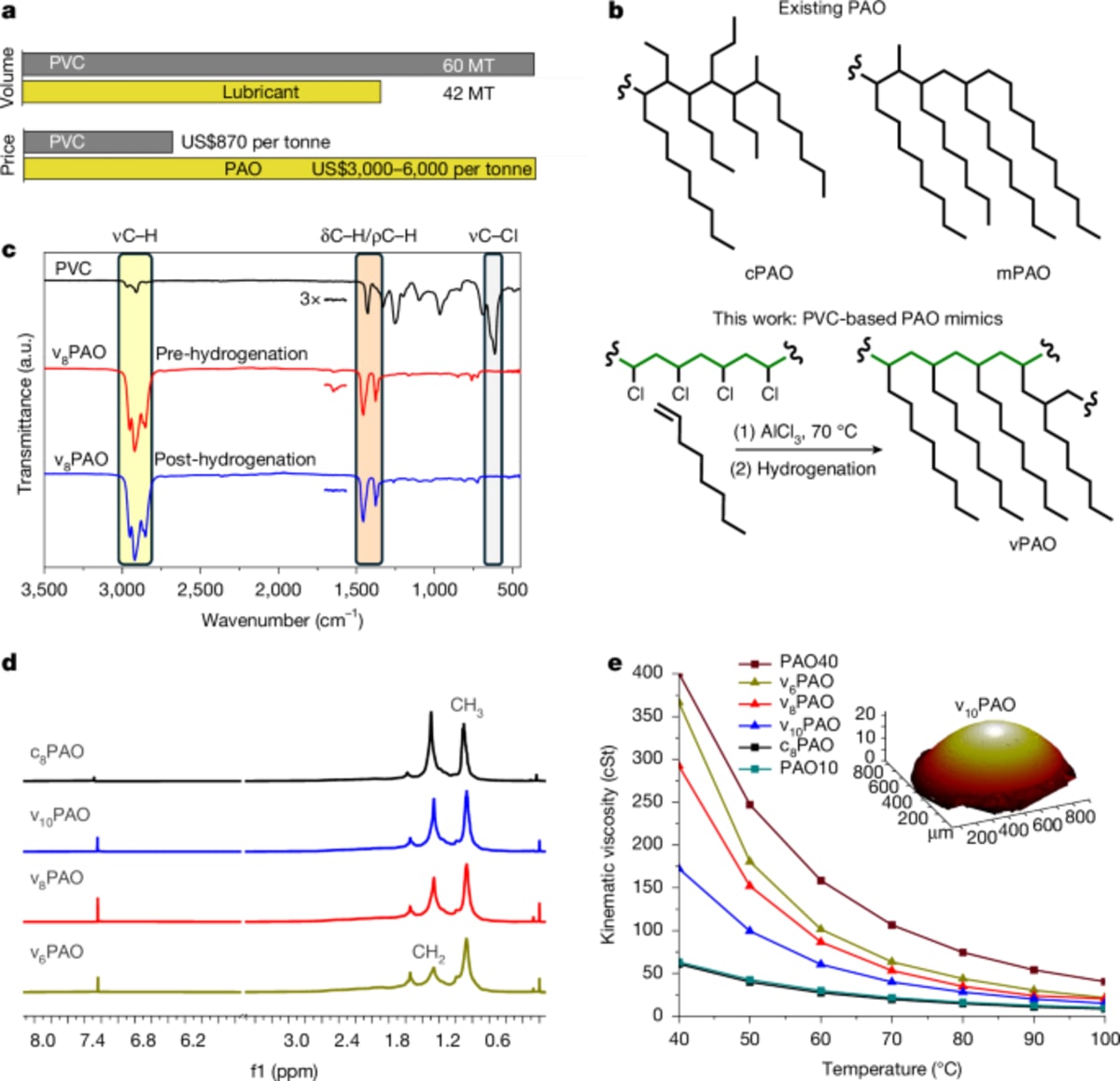
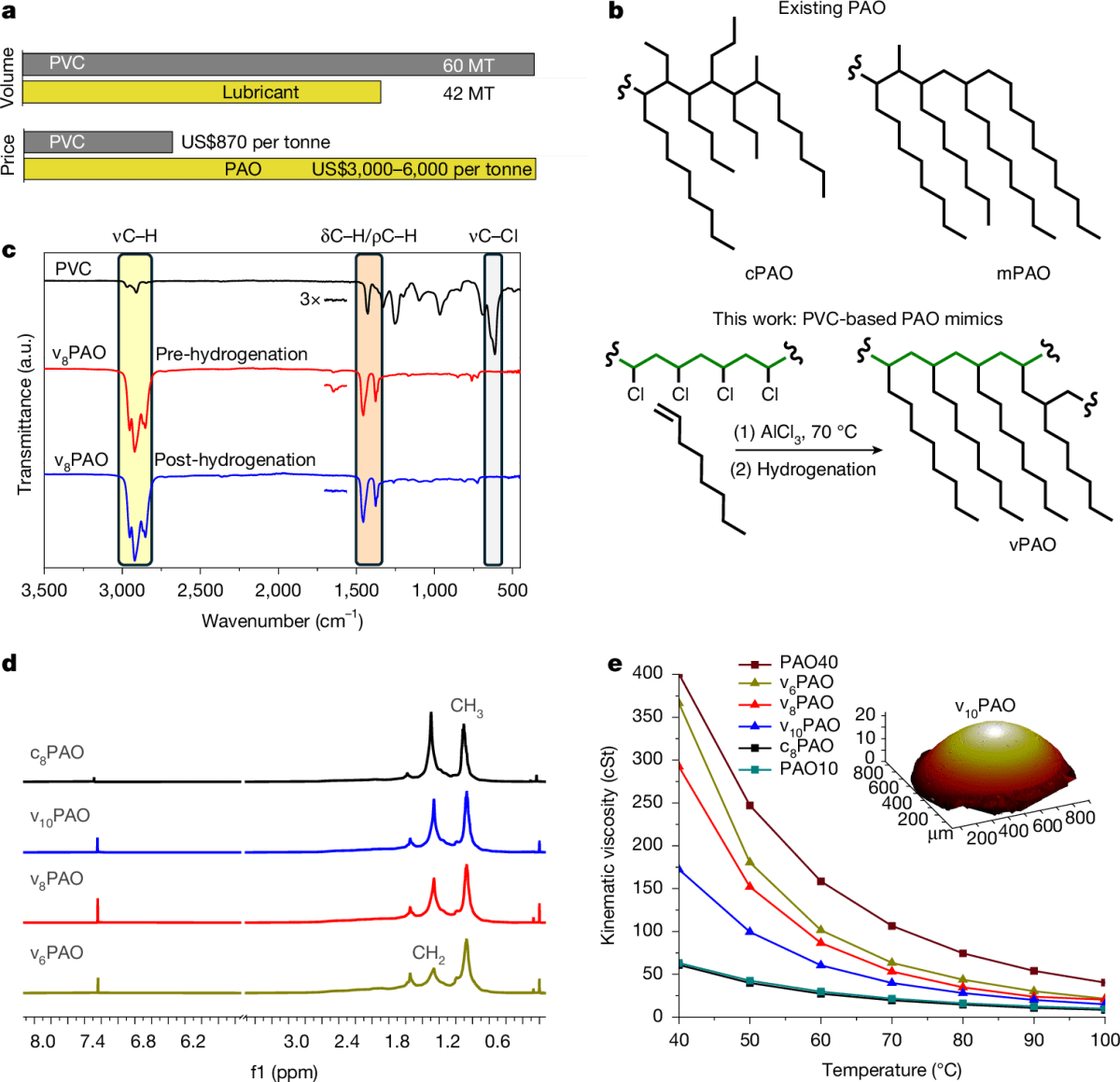
Scientists just figured out how to transform polyvinyl chloride (PVC) into high-performance lubricants that rival products made from scratch. PVC shows up everywhere from construction materials to medical tubing, with 60 million tons produced every year.
The problem? PVC has been nearly impossible to recycle profitably. When it breaks down in landfills, it leaches toxic chemicals into soil and groundwater.
Researchers developed a surprisingly simple method using aluminum chloride at just 70 degrees Celsius. The process strips chlorine from the plastic, rearranges the molecular structure, and produces what they call vinyl-derived polyalphaolefins, or vPAO for short.
Think of it like giving plastic a complete molecular makeover. The resulting lubricants perform as well as premium synthetic oils that normally cost far more to produce.
The team tested their PVC-derived oils and found they reduce friction better than many commercial products. The lubricants can be customized for different applications, from light machine oil to heavy-duty industrial lubricants.
Here's what makes this discovery particularly exciting: current recycling methods for PVC often cost more than making new plastic. This approach flips that equation by creating products worth significantly more than the waste material.
The Ripple Effect
This breakthrough addresses two environmental challenges at once. First, it gives manufacturers a financial reason to collect and process PVC waste instead of sending it to landfills.
Second, it reduces dependence on petroleum for making synthetic lubricants. The lubricant industry constantly seeks sustainable alternatives to fossil fuel-based products.
The researchers successfully tested their method on real-world PVC waste, not just pristine lab samples. That means discarded pipes, packaging, and other PVC products could become feedstock for this process.
The technology works at relatively low temperatures and uses readily available materials, making it practical for industrial scaling. No exotic catalysts or extreme conditions required.
Financial incentives drive recycling participation, and this method finally makes PVC valuable enough to justify collection systems. When waste becomes worth more than virgin materials, the entire recycling equation changes.
The team is now working with industry partners to scale up production and refine the process for different types of PVC waste.
One person's trash really can become another's treasure when chemistry gets creative enough.
More Images
Based on reporting by Nature News
This story was written by BrightWire based on verified news reports.
Spread the positivity!
Share this good news with someone who needs it