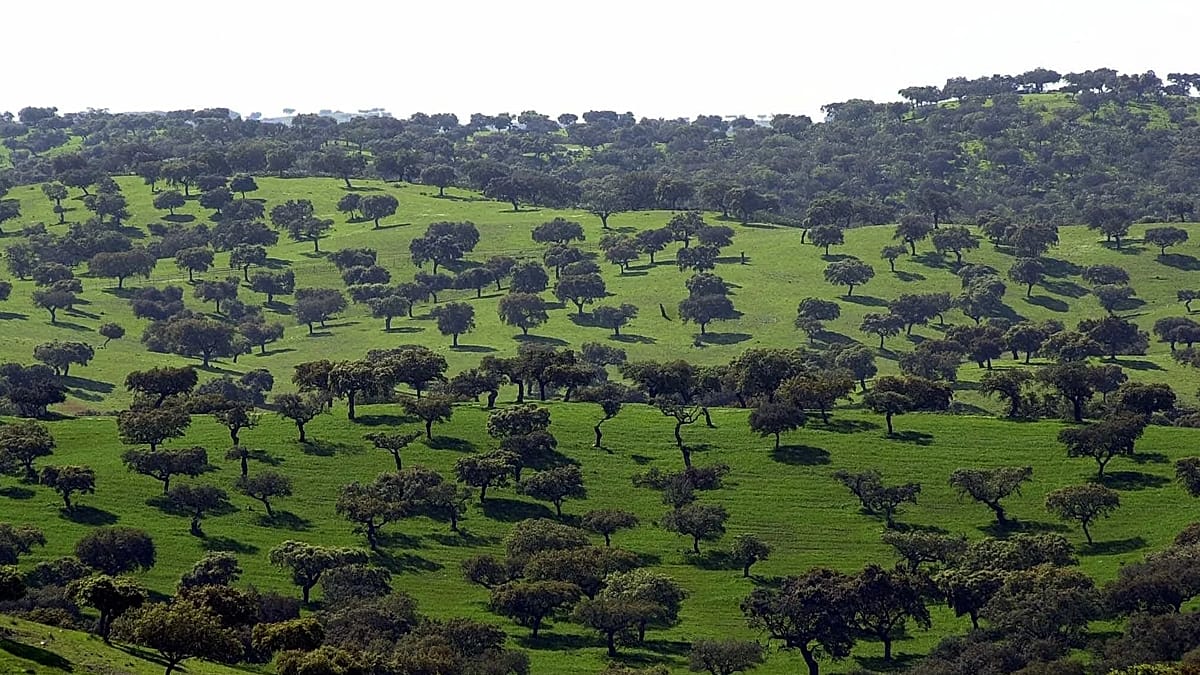
Portugal's 3,700-Year-Old Olive Tree Still Bears Fruit
A single olive tree in Portugal has been producing fruit for nearly 4,000 years, surviving since the Bronze Age. Scientists have discovered hundreds of ancient olive trees across southern Portugal, some over 2,000 years old and still thriving today.
Imagine a tree that started growing before the pyramids were old, and it's still making olives for your dinner table.
In Portugal's sun-soaked southern region, an olive tree known as "Oliveira do Peso" has been quietly producing fruit for approximately 3,700 years. The tree took root during the Bronze Age, long before Portugal or even Rome existed, and shows no signs of slowing down.
Researchers at the University of Trás-os-Montes and Alto Douro discovered this ancient survivor on the Herdade do Peso estate in Vidigueira. It's not alone: hundreds of olive trees across the Alentejo and Algarve regions have been confirmed to be over 2,000 years old, all still bearing fruit as if they were planted yesterday.
Dating these ancient trees posed a unique challenge. Most of the trunks have hollowed out over the centuries, making traditional ring-counting impossible.
So the research team developed a patented mathematical model that estimates age based on physical characteristics like trunk diameter, height, and circumference. Since 2007, they've used this method to certify dozens of ancient olive trees throughout Portugal, Spain, and France.
Another remarkable tree, the "Oliveira do Mouchão" in Abrantes, clocks in at 3,350 years old. Despite its worn trunk, it was still producing olives in 2022 and even competed in the European Tree of the Year contest.
The Ripple Effect
These living time capsules offer more than just historical wonder. Researcher José Luís Louzada explains that olive trees possess an extraordinary ability to regenerate themselves, with even old trunk sections capable of sprouting new growth.
The trees' perfect adaptation to the Mediterranean climate has allowed them to thrive in Portugal's southern regions for millennia. Their resilience demonstrates nature's remarkable capacity for longevity when conditions align just right.
The discoveries have sparked renewed interest in preserving these ancient specimens. Trees in Monsaraz, Estremoz, and even Porto's Serralves Park have been dated at over 2,000 years old, creating a living network of botanical history across the country.
These trees have witnessed the rise and fall of civilizations, from Phoenicians to Romans to modern Portugal, all while quietly doing what they do best: producing olives season after season.
Four thousand years of continuous life is a powerful reminder that with the right conditions and natural resilience, survival isn't just possible—it can be extraordinary.
More Images
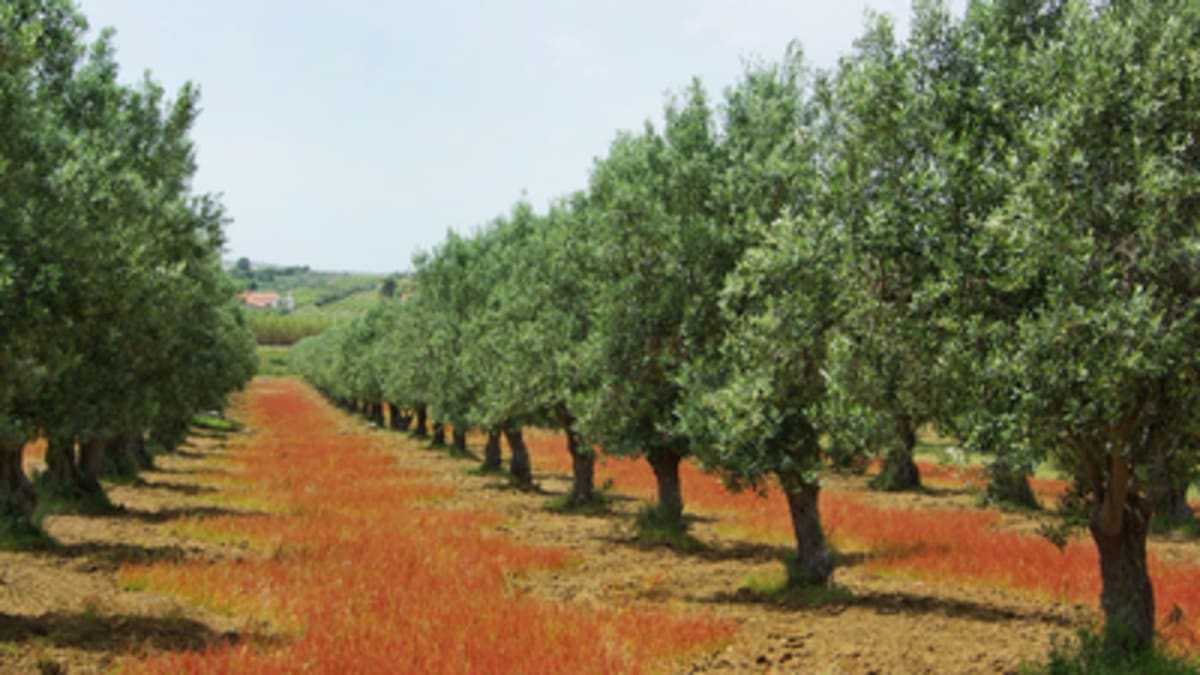



Based on reporting by Times of India - Good News
This story was written by BrightWire based on verified news reports.
Spread the positivity!
Share this good news with someone who needs it