Powder Blue Octopus Found Near Galapagos Stuns Scientists
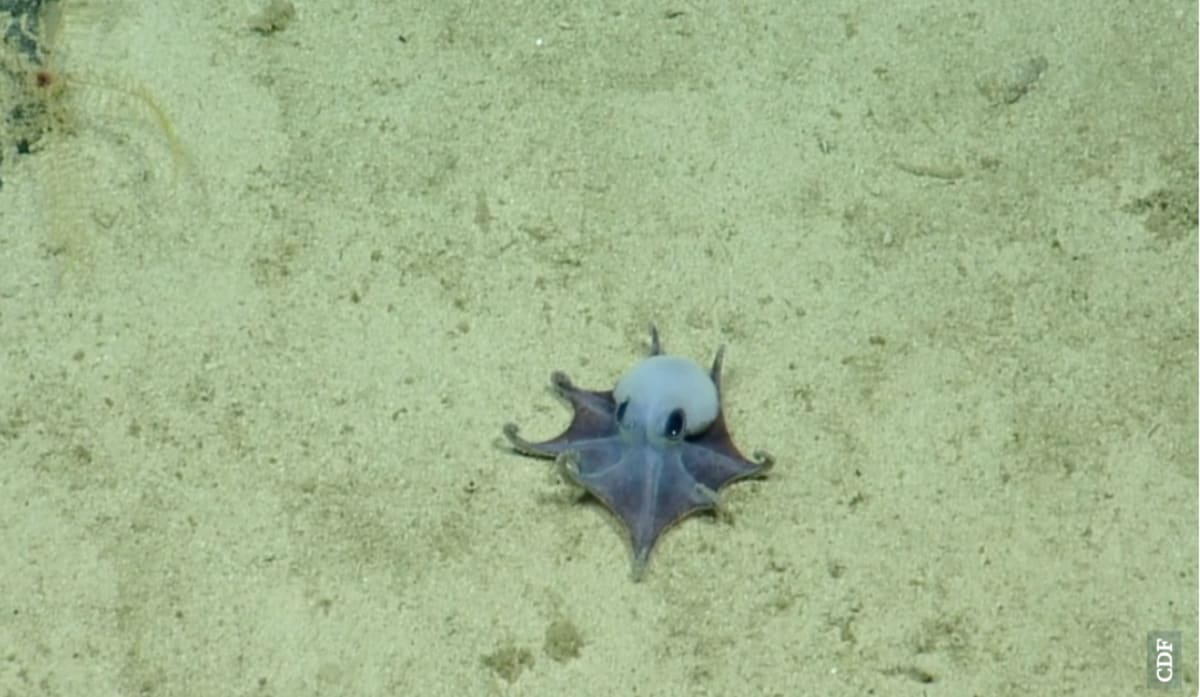
Researchers exploring the ocean floor near the Galapagos Islands discovered a golf ball-sized, powder blue octopus that represents an entirely new species. The tiny cephalopod has a dark purple underside that likely helps it hide glowing prey from predators.
📺 Watch the full story above
Scientists lost all professional composure when a powder blue, golf ball-sized octopus appeared on their underwater camera feed near the Galapagos Islands. The adorable eight-legged creature turned out to be something nobody had ever seen before.
The Charles Darwin Foundation team was scanning the deep ocean floor with a remotely operated vehicle when the tiny cephalopod made its grand entrance. "He's tiny!" and "It's blue!" were the excited remarks captured on the footage's audio.
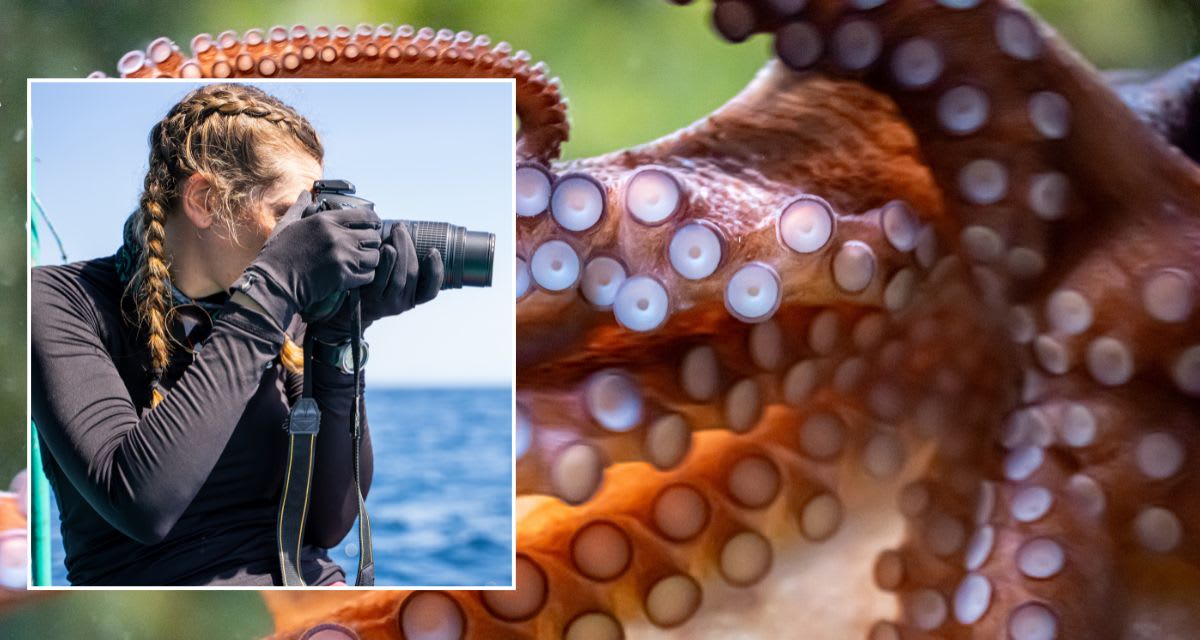
Octopus expert Janet Voight knew immediately this was something extraordinary. "I'd never seen anything like it," she said after examining the specimen.
Voight used CT scans to create a 3D model of the octopus rather than dissecting the only example they had. The images revealed fascinating details about this new species, now named Microeledone galapagensis.
The octopus sports blue on top and a deep purple underside, which researchers believe serves a brilliant survival purpose. When the octopus catches prey that glows (common in deep sea creatures), it uses its dark-colored web like a blanket to hide the light from predators that might otherwise notice and attack.
What makes this discovery even more surprising is how far from home this little guy is. Other members of its family, the Megaleledonidae, are typically much larger and live in frigid Antarctic waters thousands of miles away.
Why This Inspires
This discovery reminds us how much wonder still exists in our world waiting to be found. Scientists estimate that huge portions of the deep sea remain unexplored, with entire landscapes and countless species still undocumented.
The Microeledone galapagensis joins four other new octopus species discovered in Costa Rica just last year. These creatures belong to a family of roughly 300 octopus species living throughout the world's oceans.
Even after four decades studying octopuses, Voight still feels amazed by them. "Hardly anybody on Earth has ever gotten to see them. I just feel lucky that I got to work with them," she explained.
The reaction from these seasoned scientists proves that expertise doesn't diminish wonder. Sometimes the most incredible discoveries come in the tiniest, most unexpectedly adorable packages.
More Images

Based on reporting by Upworthy
This story was written by BrightWire based on verified news reports.
Spread the positivity!
Share this good news with someone who needs it