Pregnant Skink Could Save Her Species in Australia
A critically endangered alpine lizard named Omeo is expecting two babies in March, marking a major win for a captive breeding program working to save guthega skinks from extinction. With climate change shrinking their mountaintop habitat, every birth counts for this unique Australian species.
A tiny lizard living atop Victoria's highest peaks is about to become a mom, and her pregnancy could help save her entire species from disappearing forever.
Omeo, a guthega skink, is one of just 11 critically endangered alpine lizards released into a specially designed sanctuary in Victoria's Alpine National Park. When she gives birth in March, she'll add two precious babies to a population clinging to survival on Australia's mountaintops.
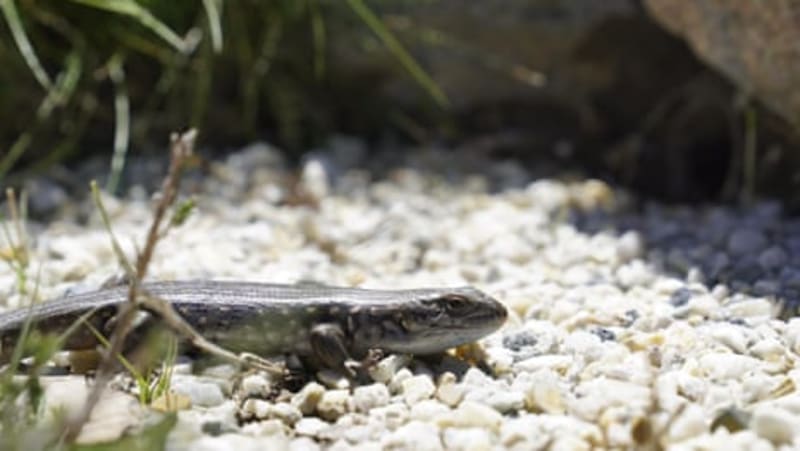
These ruler-length brown lizards live only above 1,600 meters in two isolated spots: Victoria's Bogong High Plains and Mount Kosciuszko in New South Wales. As one of Australia's only alpine lizards, they've adapted to extreme conditions, hibernating five months under the snow in elaborate underground burrows.
But climate change is literally pushing them off the map. As temperatures rise, their alpine zone shrinks. Unlike other animals, these skinks have nowhere higher to go. Bushfires wiped out multiple colonies in 2003, adding urgency to conservation efforts.
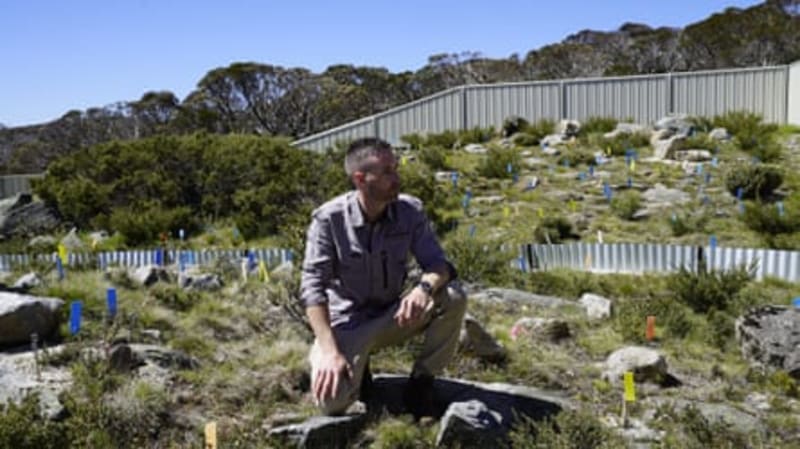
Zoos Victoria's breeding program has created a semi-wild enclosure furnished with granite rocks and hundreds of native plants, including the skinks' favorite food: snow beard-heath. After releasing seven skinks in December to join an initial four, scientists watched anxiously to see if the lizards would adapt.
The answer came quickly. "It just looks like a normal functioning wild colony, which is exactly what we wanted," said skink specialist Dr. Zak Atkins. The captive-bred lizards immediately began digging their own burrow networks, complete with multiple entrances creating underground labyrinths where families live together for their entire 20-year lives.
The Ripple Effect
When Omeo's babies arrive, they'll look nothing like their camouflaged brown parents. The button-sized newborns will be jet black with vibrant yellow spots. These tiny additions represent genetic diversity carefully planned by scientists who bred skinks from both Victorian and New South Wales colonies.
The goal extends beyond saving this small group. Researchers hope their efforts will eventually support wild populations struggling to survive as their alpine homes face unprecedented threats. Each baby born strengthens the genetic health of the entire species.
These devoted homebodies rarely venture more than a few meters from their burrows, living in close-knit family groups that share sunbathing spots and designated bathroom areas. Scientists often spot them basking in piles with their relatives on sunny rocks.
While cutting emissions remains the only long-term solution to protect alpine habitats, this breeding program buys precious time for a species with nowhere else to go.
Two tiny lives expected in March carry the hope of an entire species on their jet-black backs.
More Images

Based on reporting by Guardian Environment
This story was written by BrightWire based on verified news reports.
Spread the positivity!
Share this good news with someone who needs it