Private Moon Lander Reveals Lunar Mysteries Scientists Missed
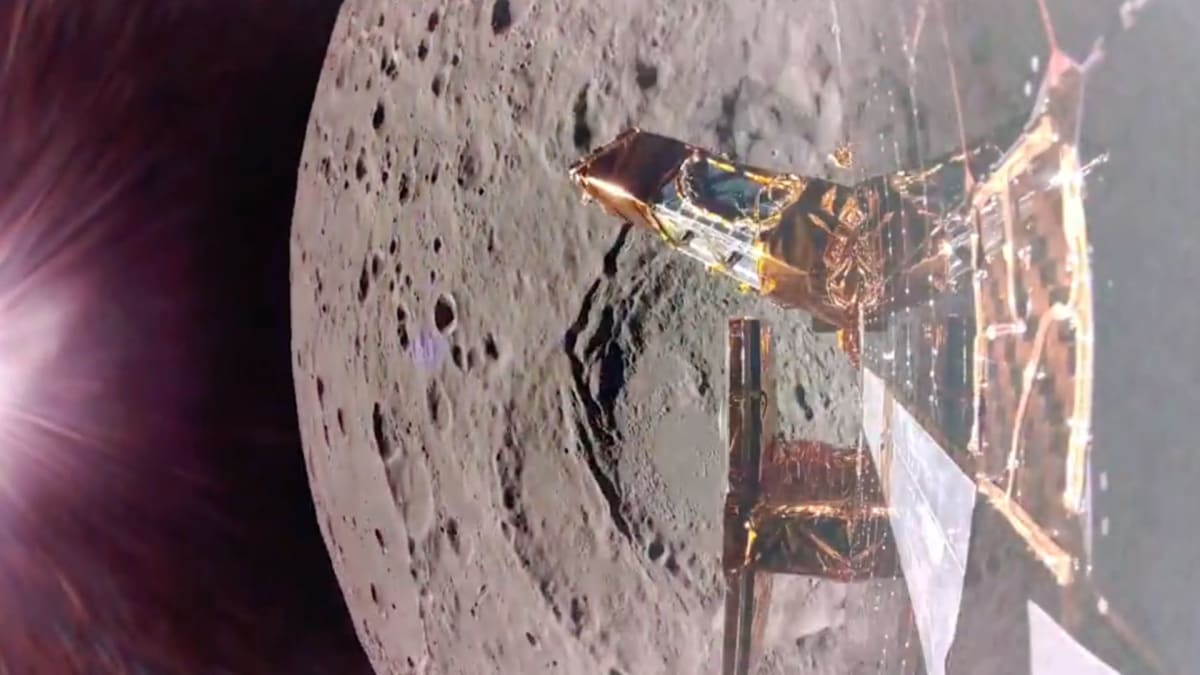
The first private spacecraft to study the moon's interior just upended 50 years of scientific thinking. Firefly Aerospace's Blue Ghost lander discovered our closest neighbor in space might be far more geologically active than anyone imagined.
A scrappy lunar lander the size of a car just rewrote what scientists thought they knew about the moon.
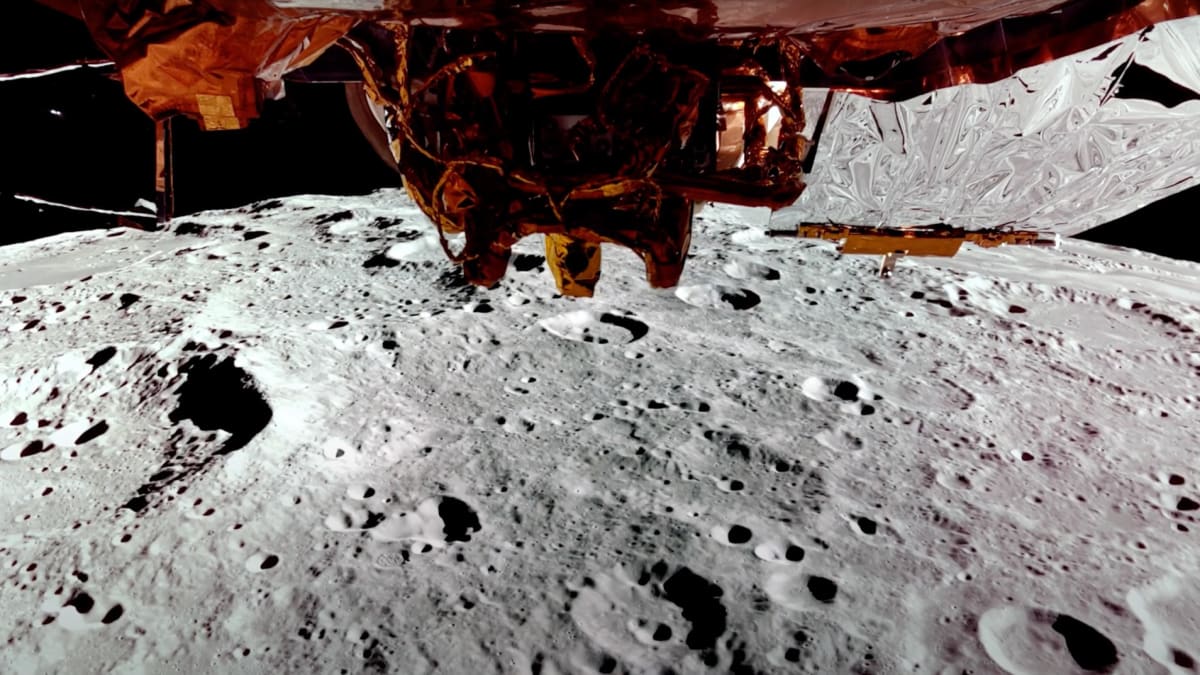
Firefly Aerospace's Blue Ghost touched down on the moon in March 2025 and spent two weeks drilling into a volcanic plain called Mare Crisium. The mission targeted a spot scientists expected to be geologically cold and quiet, far from the moon's traditionally hot zones.
Instead, the lander found something surprising. Heat measurements from nearly three feet below the surface matched readings taken during NASA's Apollo missions over 50 years ago in completely different regions.
"We need to take a second look at how we define the hot region on the moon," said Seiichi Nagihara, the lead scientist from Texas Tech University who designed the heat probe.
The discovery suggests that heat-producing radioactive elements like thorium might be spread across the lunar surface far more evenly than scientists believed. For decades, researchers assumed most volcanic activity happened on the moon's near side because that's where the heat was concentrated.
The Ripple Effect
This finding could transform how future moon missions choose their landing sites. If the moon's interior is more uniformly hot, it means volcanic resources and geological activity might exist in places no one thought to look.
The timing couldn't be better. NASA's Artemis program aims to establish a permanent human presence on the moon by 2030, and knowing where to find resources will be critical for building sustainable lunar bases.
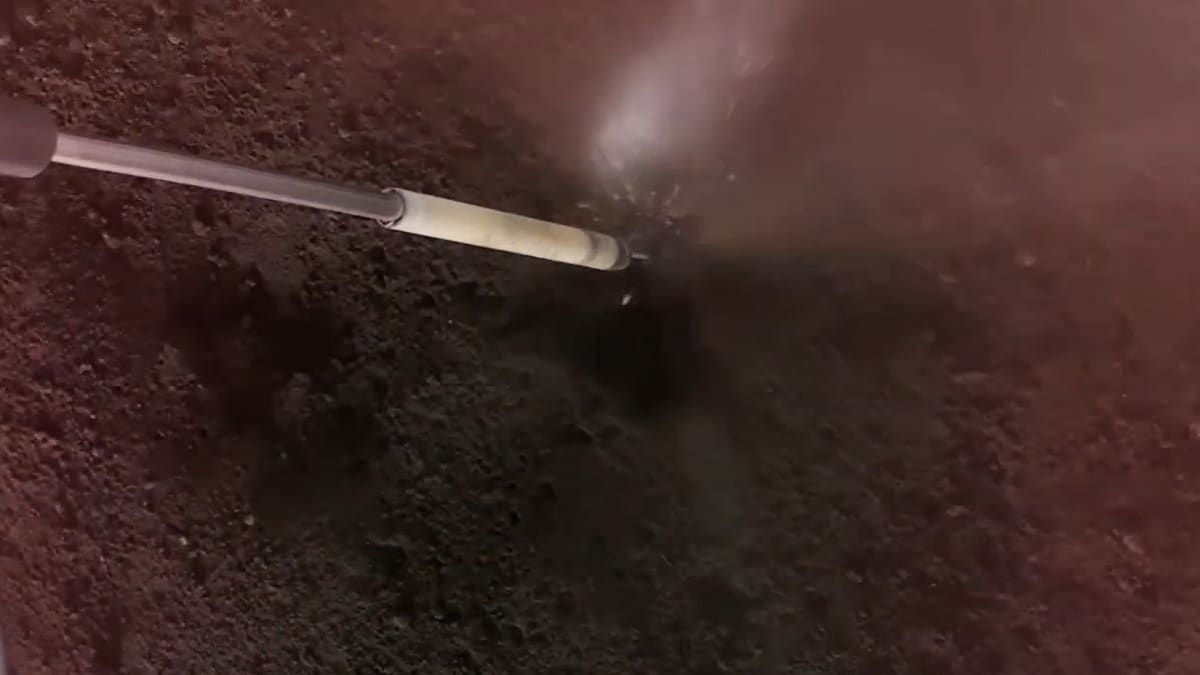
Blue Ghost's heat probe didn't go exactly as planned. Scientists hoped to drill over three feet deep, but dense rocky soil stopped progress at 36 inches. Even so, those eight measurements along the way proved invaluable.
Private space companies are now leading scientific discovery in ways that once required government superpowers. Blue Ghost carried 10 different instruments, each designed to answer specific questions about our mysterious neighbor.
More robotic missions are already in the works, each one designed to fill in the gaps Blue Ghost revealed. Scientists agree they need more measurements from different lunar regions to fully understand what's happening beneath the surface.
The moon still has secrets to share, and we're finally building the tools to uncover them.
More Images

Based on reporting by Space.com
This story was written by BrightWire based on verified news reports.
Spread the positivity!
Share this good news with someone who needs it