Probiotic Bacteria Now Treats Diabetes in Breakthrough Study
Scientists engineered probiotic bacteria that successfully controlled blood sugar in mice and monkeys, opening a promising new path for diabetes treatment. This living therapy could one day replace daily injections for millions of people.
Imagine treating diabetes with a probiotic instead of daily insulin shots. Scientists just made that future a lot closer to reality.
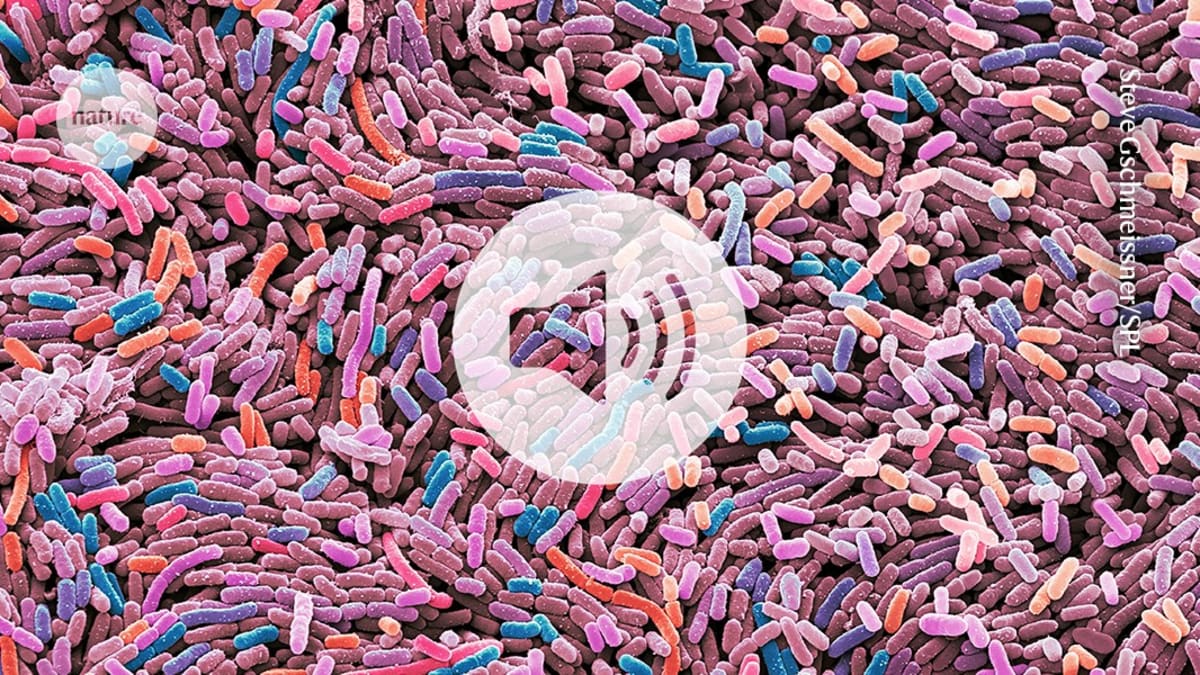
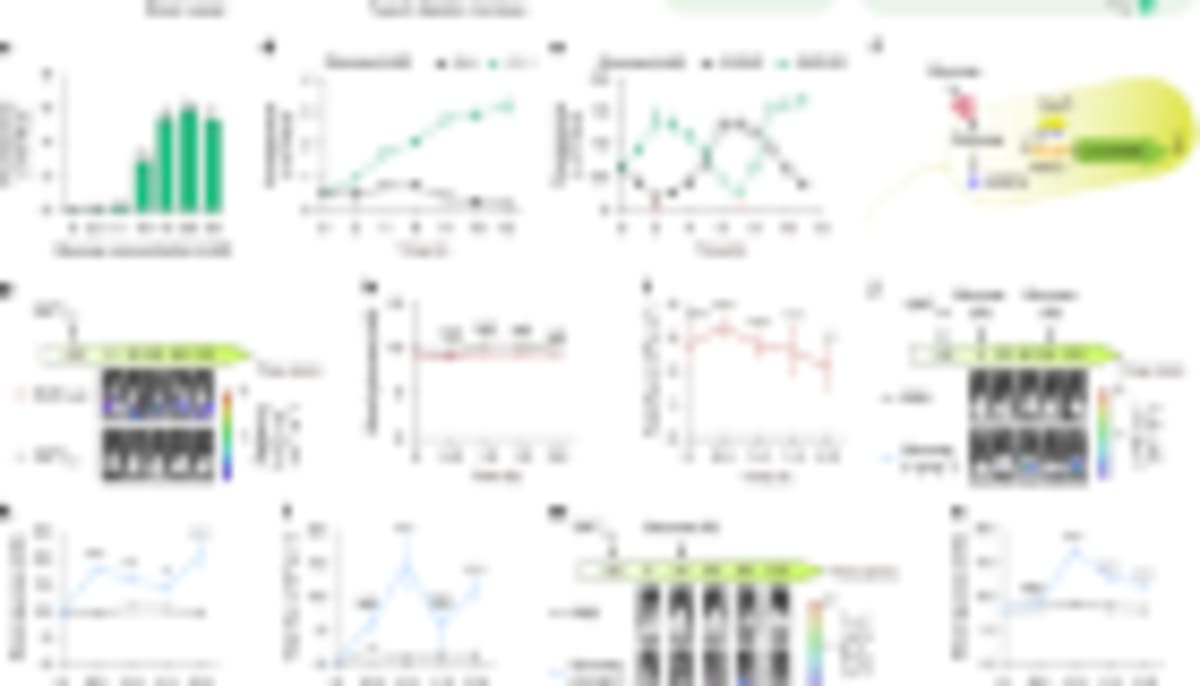
Researchers developed engineered probiotic bacteria that can sense blood sugar levels and respond by releasing compounds that help regulate glucose. Published in Nature, the study showed the therapy successfully managed blood sugar in both mice and monkeys without causing harmful side effects.
The breakthrough works like this: the modified bacteria live in the gut and act as tiny glucose sensors. When blood sugar rises too high, they spring into action to help bring it back down. When levels are normal, they stay quiet.
This approach solves one of diabetes management's biggest challenges. Current treatments require constant monitoring and precise dosing. But these smart probiotics adjust their activity automatically based on what the body needs in real time.
The research team tested the therapy in animal models of both Type 1 and Type 2 diabetes. In every case, the probiotic treatment improved glucose control over extended periods. The bacteria remained stable in the gut and continued working effectively without losing their therapeutic punch.
The Ripple Effect
This discovery could transform life for the 537 million adults worldwide living with diabetes. Daily insulin injections and frequent finger pricks might eventually give way to a simple probiotic dose taken by mouth.
Beyond diabetes, the technology opens doors for treating other metabolic conditions with engineered bacteria. Researchers are already exploring applications for obesity, liver disease, and inflammatory bowel conditions. The same platform could be adapted to deliver different therapeutic compounds based on various biological signals.
The approach also costs less to manufacture than traditional biologics. Probiotics grow naturally and don't require the expensive production facilities needed for synthetic drugs. That could make treatment more accessible in low-resource settings where diabetes rates are climbing fastest.
The research team is now working toward human clinical trials. They're refining the bacteria strains and developing safety protocols to ensure the therapy works as reliably in people as it did in animals.
While commercial availability remains years away, the study proves the concept works. Living therapies that sense and respond to our body's needs aren't science fiction anymore.
Scientists just turned beneficial bacteria into personalized medicine factories, and millions of people with diabetes are one step closer to freedom from needles.
More Images
Based on reporting by Nature News
This story was written by BrightWire based on verified news reports.
Spread the positivity!
Share this good news with someone who needs it