Pune Engineer Masters Dying Japanese Art, Saves It
A retired engineer from Pune taught himself a thousand-year-old Japanese lacquering technique with no teacher, no English books, and no local materials. Now he's building India's first school to teach Urushi art before it disappears forever.
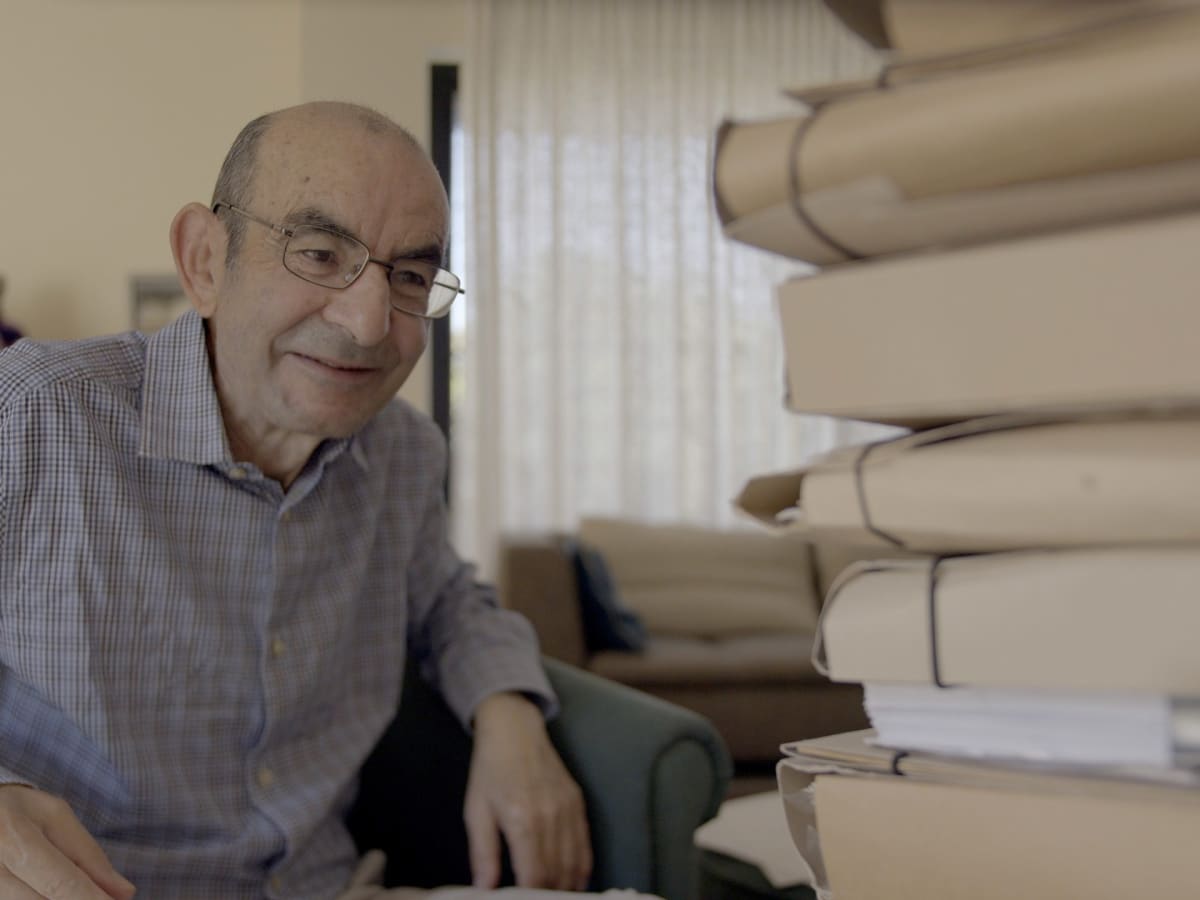
After decades of engineering and IT work, Vivek Kulkarni wanted something meaningful to fill his retirement years. What he chose was nearly impossible: mastering Urushi, an ancient Japanese lacquering art that's vanishing even in its birthplace.
Kulkarni had used fountain pens since childhood, so he decided to make them. But ordinary pens weren't enough for the 58-year-old from Pune.
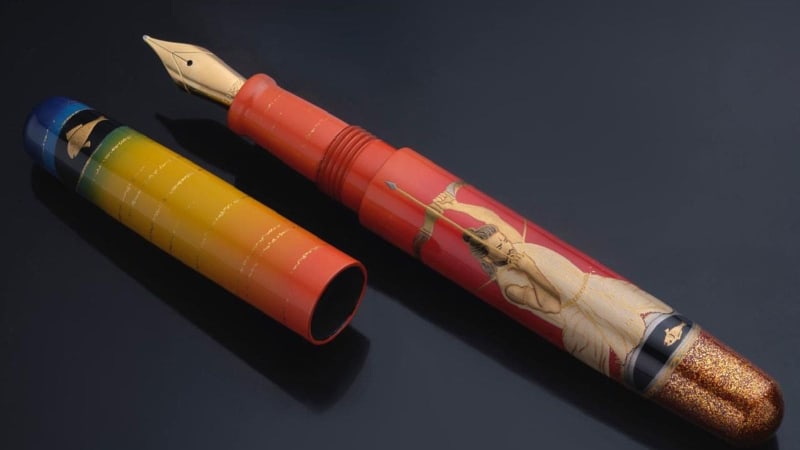
He wanted something unique, something no one else in India was doing. That's when he discovered Urushi, a lacquering technique over a thousand years old made from Japanese tree sap.
There was just one problem. No masters to teach him. No guidebooks in English. No local materials. His family worried about the impracticality of it all, especially as fountain pens were falling out of fashion.
Kulkarni started learning in 2014 anyway. He studied photographs of expensive Japanese pens and tried to decode the techniques from images alone. He hired an artist and together they learned through six years of trial, error, and countless wasted materials.
By 2021, something clicked. Kulkarni realized he could compete with any pen manufacturer because his Urushi work was genuinely unique.
He launched Urushi Studio India and started posting photos on social media. Orders poured in from Europe, America, and across Asia. His intricate Urushi pens cost 25 to 30 percent less than Japanese competitors while matching their quality.
Lawyers, doctors, engineers, and collectors became his main customers. He's now completed 400 to 500 pens and developed his own patented ink called Niji, Japanese for "rainbow."
Why This Inspires
Kulkarni isn't stopping at commercial success. He's witnessed how young people in Japan aren't learning Urushi anymore, with most remaining artists approaching old age. The art form is dying in its homeland.
So he's establishing India's first institute dedicated to teaching Urushi artwork. His vision extends beyond fountain pens. He imagines Indian artists using the lacquer to transform traditional crafts like Warli art, increasing both longevity and value tenfold.
"My efficiency will decrease with age," Kulkarni says honestly. "If more people learn it, the art will be sustained. I want to save others the struggle I went through."
He's not building the institute for profit. For Kulkarni, it's about cultural preservation and giving back. The knowledge he fought six years to decode on his own will be freely available to anyone willing to learn.
A retired engineer who wanted to stay busy found something bigger than a hobby: a dying art form that needed saving, and the determination to make sure it survives for generations to come.
Based on reporting by Indian Express
This story was written by BrightWire based on verified news reports.
Spread the positivity!
Share this good news with someone who needs it