Puri Police Launches WhatsApp Chatbot for 24/7 Help
In India's temple town of Puri, police now help tourists and citizens file complaints, find lost phones, and locate stations through a simple WhatsApp message. The innovation dissolves the fear and distance that keeps people from reaching out when they need help most.
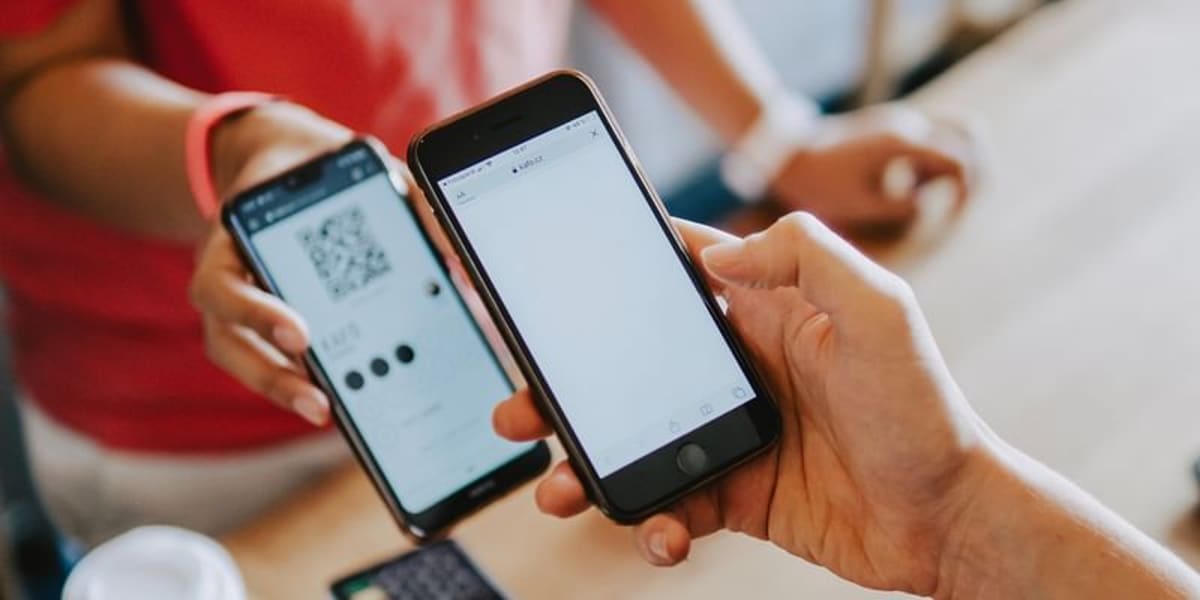
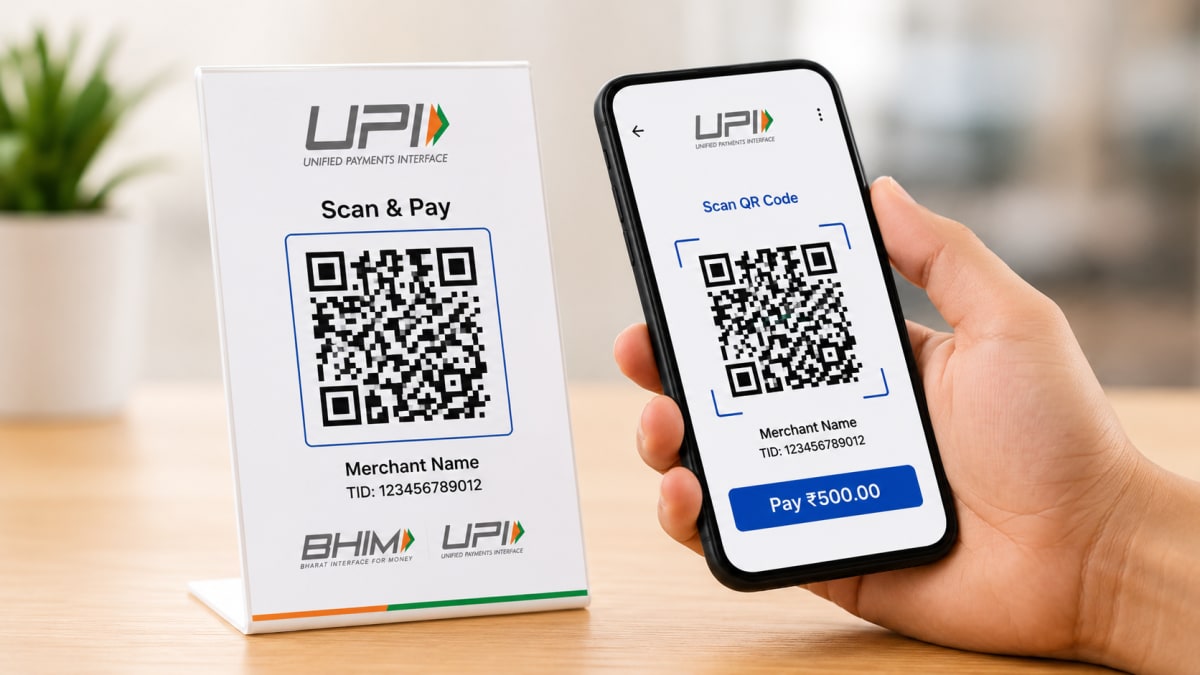
Losing your phone in a crowded pilgrimage town used to mean hours of confusion, language barriers, and intimidating police stations. Now in Puri, India, it means scanning a QR code and typing "Hi."
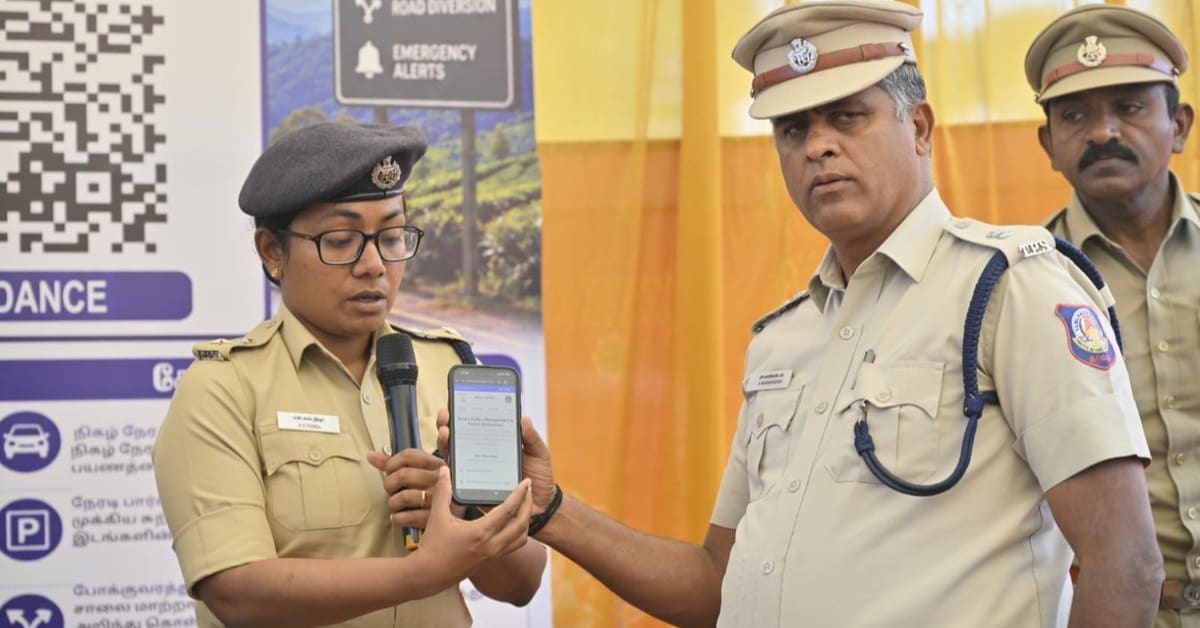
The Puri Police launched their WhatsApp chatbot in April 2026, and it's already changing how thousands of tourists and locals get help. Anyone can scan a poster, message the number, and immediately file complaints, report stolen phones, find parking, or get safety directions without ever stepping into a station.
Superintendent Pratya Singh designed the system with one goal: make police feel like neighbors instead of strangers. For tourists visiting the famous Jagannath temple, many traveling from other states or countries, the chatbot speaks their language and works around the clock.
The timing matters because trust in Indian police has been dropping. A 2023 national survey found that 36% of citizens have limited or no trust in police institutions, with confidence declining 11% since 2020. People avoid police stations because they feel unwelcoming, especially in unfamiliar cities.
Puri welcomes millions of pilgrims annually, most staying just days and carrying little knowledge of local systems. The old process meant finding a station, waiting in line, navigating bureaucracy in an unfamiliar language, and hoping someone could help. Many simply gave up and left crimes unreported.
The Ripple Effect
This chatbot builds on something Odisha has been perfecting for years. The state runs "Ama Police Samiti" programs where officers are assigned to neighborhood beats and meet monthly with community groups of 20 to 25 members. In rural areas, over 18,000 village guards called Grama Rakhis serve as local eyes and ears, officially recognized since 1967.
The WhatsApp system doesn't replace human connection. It removes the barriers that prevent connection from happening in the first place. Technology company Rezler Systems built the platform with support from PNB ONE, keeping the interface simple enough that tourists in crisis can use it immediately.
The services cover the most common emergencies: electronic complaint filing, mobile phone theft reports, police station locations, parking information, and tourist safety guidance. No app downloads, no account creation, no learning curve.
Other Indian cities are watching closely. If a simple QR code can rebuild trust one "Hi" message at a time, the model could spread to tourist destinations and crowded urban centers nationwide. The question Puri is answering isn't just about technology but about whether making help accessible can slowly make help trustworthy again.
More Images
.png)
%2Fenglish-betterindia%2Fmedia%2Fmedia_files%2F2026%2F05%2F29%2F1-2026-05-29-16-31-20.png)

Based on reporting by The Better India
This story was written by BrightWire based on verified news reports.
Spread the positivity!
Share this good news with someone who needs it