Python Hearts Could Unlock Human Heart Disease Cure
Scientists at the University of Colorado Boulder are studying pythons' remarkable ability to grow and shrink their hearts without damage, hoping to unlock treatments for human heart disease. The snakes can fast for months while maintaining muscle strength and boost their metabolism up to 40 times after eating.
Imagine if your heart could repair itself after a heart attack, or grow stronger without the deadly consequences of heart disease. Scientists studying pythons believe these remarkable snakes might hold the secret.
Researchers at the University of Colorado Boulder have spent two decades investigating how pythons survive extreme conditions. These snakes can go months without eating, yet strike with lightning speed when food appears. Their bodies perform feats that seem impossible in mammals.
After swallowing a large meal, a python's metabolism skyrockets 10 to 40 times higher than normal. That's like a racehorse sprinting at Kentucky Derby speeds for days on end. To handle this explosive digestion, the snake's organs actually grow larger, including its heart.
Here's where it gets exciting for human medicine. When human hearts enlarge from high blood pressure or heart attacks, they stay swollen and stiff, often with fatal results. But a python's heart grows strong, then shrinks back to normal size a month later with zero damage.
"We were really interested in figuring out what are the signals that tell this heart to get bigger, and then also, what are the signals that tell the heart to go back down to a normal size," says Jack Gugel, a molecular biologist on the research team.
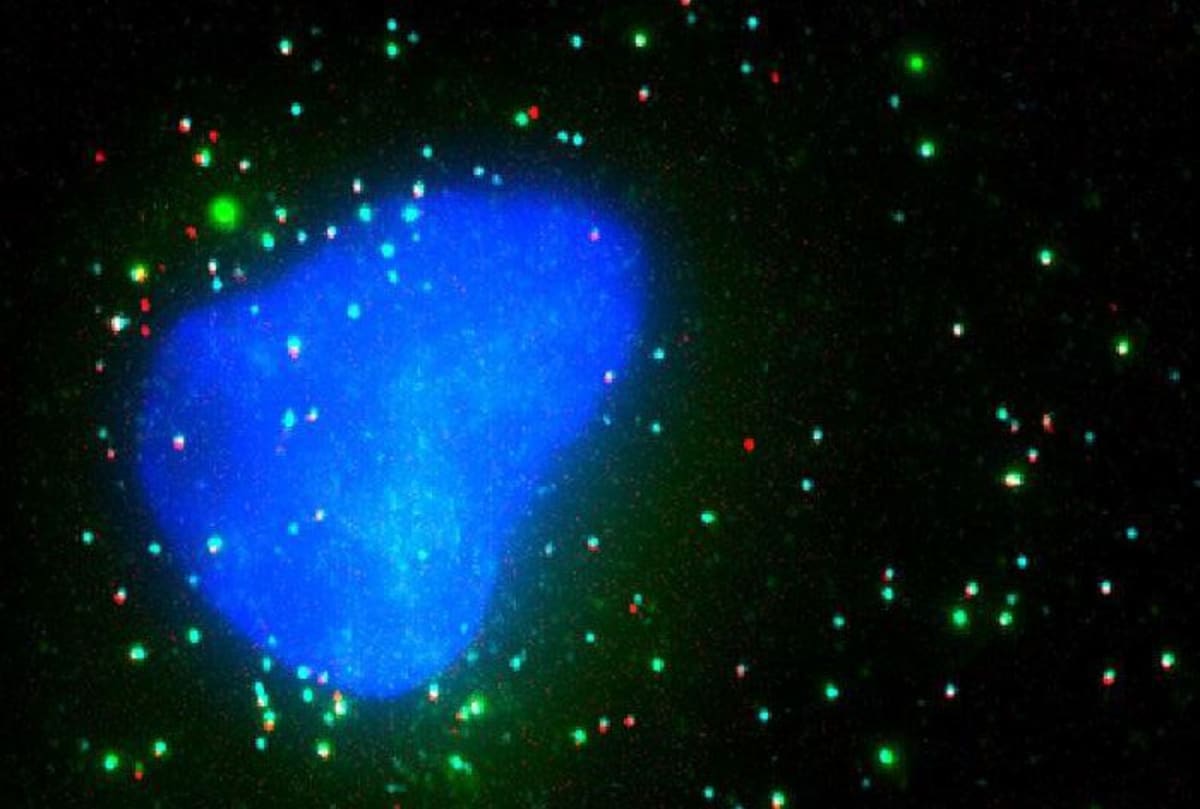
Molecular biologist Yuxiao Tan discovered something even more remarkable. Python heart muscle cells actually multiply after eating. When humans have heart attacks, we develop scar tissue because our heart cells can't regenerate. Pythons might show us how to change that.
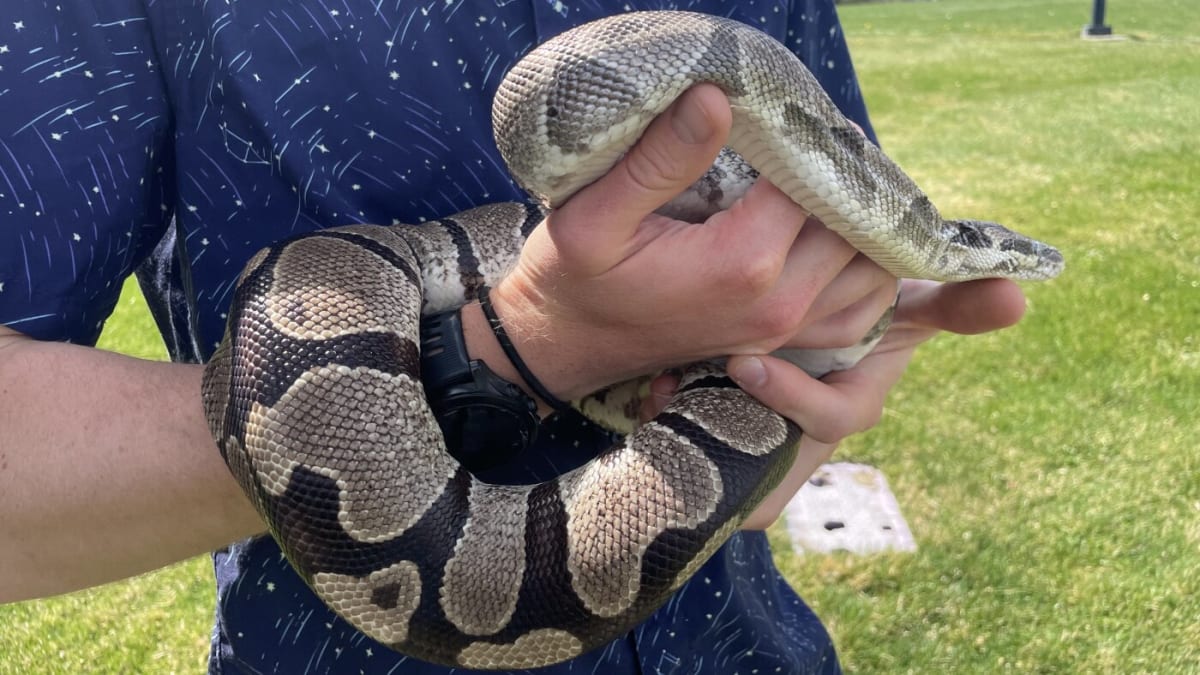
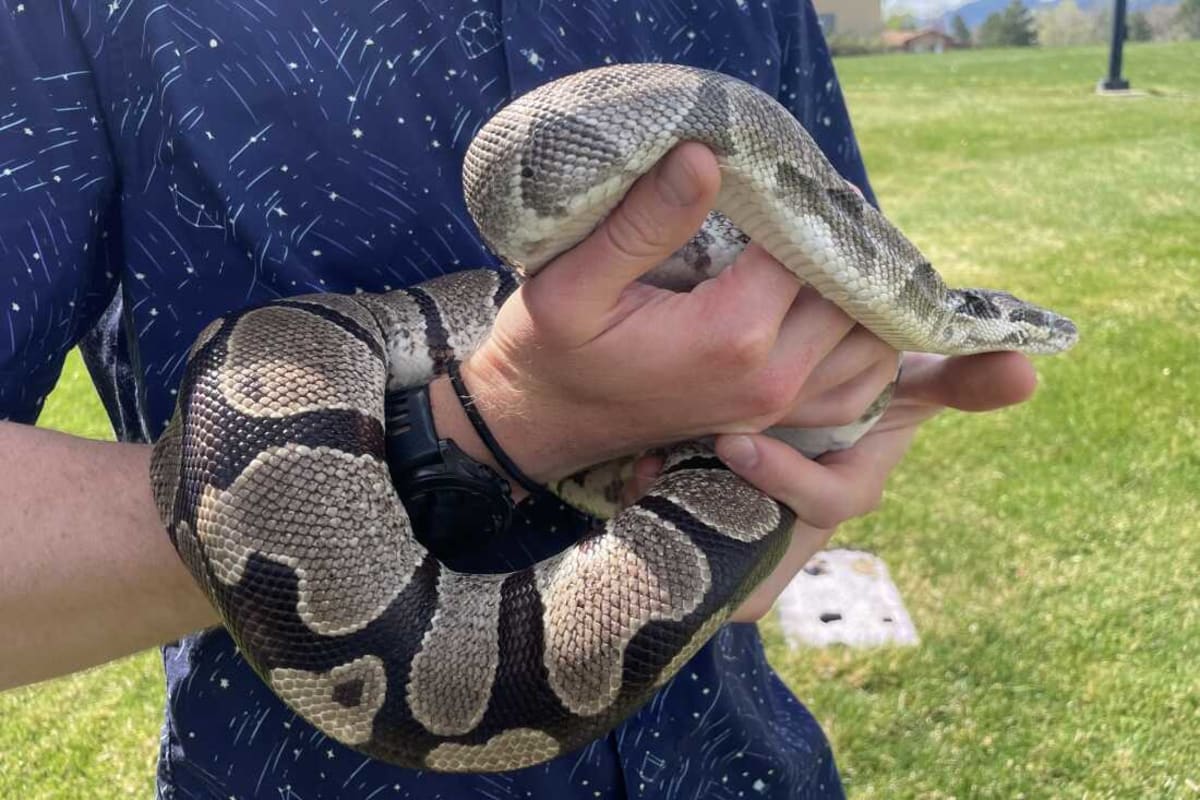
The snakes also resist muscle loss in ways that baffle scientists. Skip Maas, who recently completed his Ph.D. studying pythons, watched his pet ball python Agrapina go 14 months without food. When he finally offered her a rat, she struck and constricted with full strength.
Why This Inspires
This research shows how nature has already solved problems that plague human health. Evolution spent millions of years perfecting the python's ability to survive feast and famine cycles. Now scientists can translate those natural solutions into medical breakthroughs.
Leslie Leinwand, the geneticist who pioneered this research 20 years ago, believed pythons living in extreme environments would have secrets applicable to humans. Her lab continues publishing findings that could transform how we treat heart disease and muscle loss.
The work is still ongoing, but the potential is staggering. Millions of people suffer from heart disease despite perfect diets and regular exercise. If researchers can unlock how pythons remodel their hearts safely, they might help those hearts heal instead of fail.
Sometimes the answers to our biggest medical challenges come from the most unexpected places.
More Images



Based on reporting by NPR Science
This story was written by BrightWire based on verified news reports.
Spread the positivity!
Share this good news with someone who needs it